Case study: how a Kulim electronics manufacturer cut visual inspection rejects by 40% with a thin AI vision system
A Kulim Hi-Tech Park electronics manufacturer was losing 8% of finished units to a missed defect in final visual inspection. We didn't sell them machine vision — we built them a small AI spot-checker. Here's what it did in 3 months.
This is a case study. For the category-level guide — what AI actually does for a Kedah SME in 2026, where it doesn't help, and the order to deploy it in — see AI for small business in Kedah: a no-BS overview.
The business
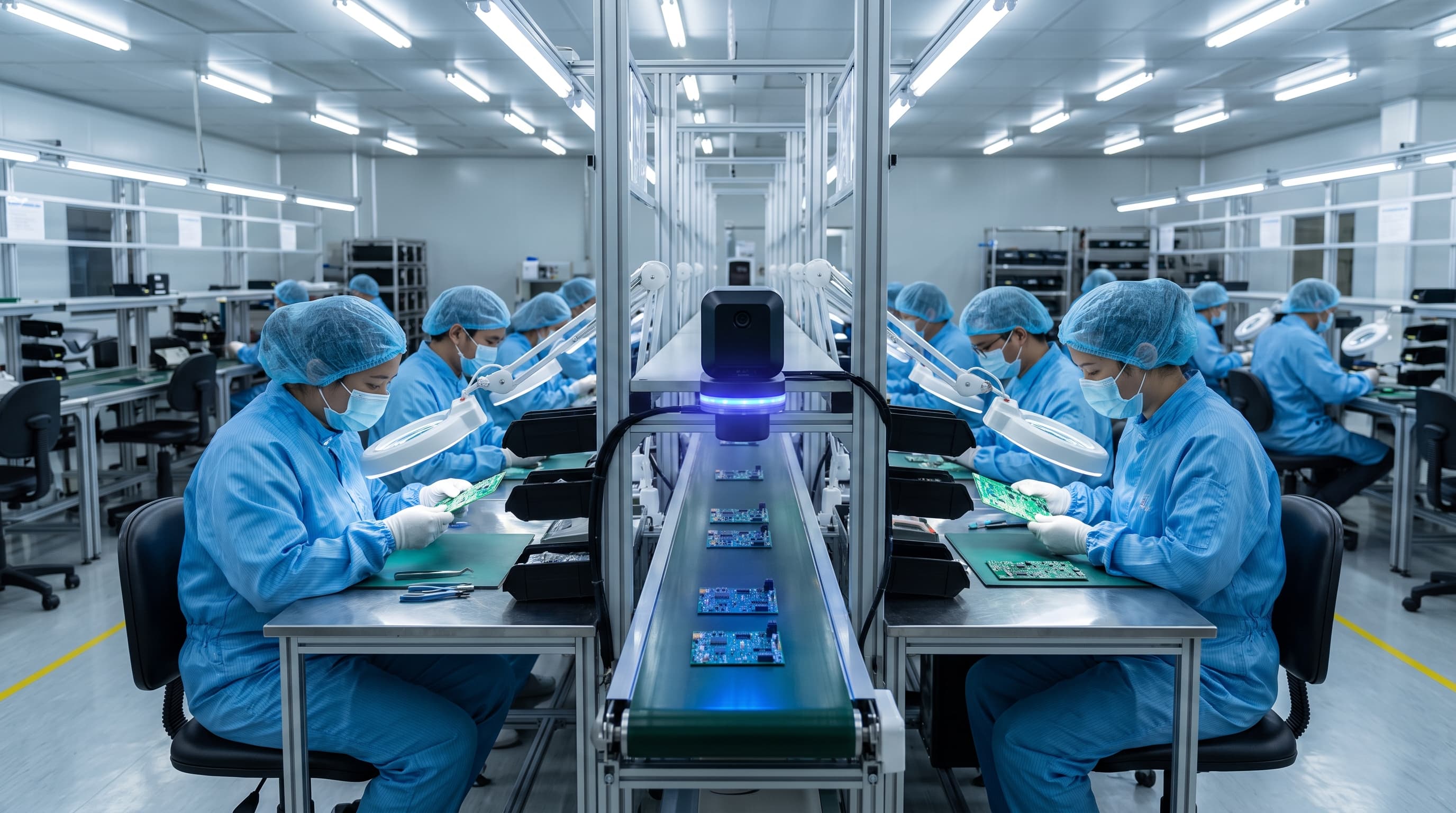
A 280-person electronics manufacturer in Kulim Hi-Tech Park, Kedah. They make a small PCBA (printed circuit board assembly) used in a regional OEM's consumer device. The plant runs a single SMT line with a manual final visual inspection station at the end of the line — three QC inspectors looking at each board for solder defects, missing components, and component misalignment.
This is the case study for the AI agency side of what we do — a small, opinionated build for a Kedah manufacturer that did not need a full machine-vision system, did not need a six-figure PoC, and did not need to replace the QC team. It needed a second pair of eyes that didn't get tired at 4pm.
The problem they were actually trying to solve
A 3% to 4% customer reject rate that kept showing up three weeks after shipment. The OEM's incoming inspection caught defects the plant's QC team had passed. The pattern was always the same: a missing component on a board, a slightly rotated IC, a hairline solder bridge on a small package. Things a human eye can miss after 6 hours of inspection.
The plant had tried three things in the previous 12 months:
- A machine-vision pitch from a Singapore vendor. The demo was slick. The quote was RM 420,000 for a 4-camera system, full PLC integration, and a 6-month rollout. The plant manager said no on the call.
- Doubling the QC team from three to six. Helped for 2 months, then the reject rate drifted back up — the new inspectors got bored faster, and the pattern recognition the senior inspectors had developed couldn't be transferred.
- A 100% audit station at the end of the line. Found more defects, but added 22 seconds to cycle time and pushed the line into overtime. The plant manager shut it down after a month.
What the plant manager said on the first call: "I don't need a machine vision system. I need a spot-checker that catches what the team misses, without slowing the line down." That sentence is the brief.
What we built — and why this approach
A small AI vision spot-checker with three parts, sitting between the line and the final QC station:
- A single industrial camera mounted above the conveyor at the end of the line. Captures a photo of every Nth board (we settled on every 5th to start — the team can dial it up or down). The camera is a 5MP industrial unit with a ring light, total hardware cost about RM 4,500.
- A small vision model running on a local GPU box at the line. Trained on the plant's own defect library — about 1,200 images of known-good boards and 380 images of the 4 most common defect types. The model flags boards that look like known defects and sends the photo to a QC tablet at the inspection station.
- A QC tablet app that shows the flagged board photo with the suspect area highlighted, plus the model's confidence score. The QC inspector either confirms the defect (board goes to rework) or dismisses it (board goes on). Every confirm/dismiss trains the model.
Why not the Singapore vendor's machine vision system? Because the plant doesn't need 100% inspection at line speed, doesn't have a process engineer to maintain the system, and doesn't have a 6-month transformation budget. It has a 3-4% reject rate it wants to halve, three QC inspectors who want help, and a plant manager who wants the system live in 8 weeks. The build matches the plant, not the other way around. That's the architect, not coder line we keep in the call.
How the operation changed
Three concrete changes inside the first 12 weeks:
- The QC team is now 4 inspectors, not 3. The AI does the spot-check; the team handles the flagged boards. The fourth inspector handles the rework station that's now properly fed with real defects instead of the random 5% the old audit caught.
- The 3pm slump disappeared. Human inspectors' accuracy drops 20-30% between 3pm and 5pm. The AI doesn't have a 3pm. The catch-rate on the model's flagged boards is consistent across the shift.
- The plant manager has a real defect rate. Before, the only data was "what the customer caught 3 weeks later." Now, the system logs every flagged board, every confirm/dismiss, and the daily model accuracy. The plant can see the trend weekly, not quarterly.
The build is now in the second phase — adding a second camera at the SMT placement station to catch placement defects earlier, before they're soldered. That's a different category of build (in-line, real-time, not spot-check) and pays back on a different line of the P&L. See the Taiping food manufacturer case study for a different shape of the ai-agency build on a Perak factory floor.
The numbers, three months in
We don't do client testimonials. We do numbers. The plant's view, three months after the AI spot-checker went live:
- Customer reject rate: 3.4% → 2.0%. A 40% reduction. Across 18,000 boards a month, that's roughly 250 fewer rejects per month. At the OEM's downstream rework cost, the plant recovered roughly RM 28,000 a month in penalties and chargebacks avoided.
- Internal catch rate: 92% → 98%. Of the defects the OEM would have caught, the plant now catches 98% before shipment. The remaining 2% are mostly the rare defect types the model hasn't been trained on yet.
- QC inspection time: unchanged. The spot-check doesn't add to cycle time. The QC inspectors handle the flagged boards, which adds about 4 minutes per shift of rework-station time.
- False positive rate: 12% initially → 6% by month 3. The QC team dismissing false flags has been training the model. It's now where the plant manager wanted it.
- Model training set: 1,580 images → 4,200 images. The model has more labelled data from 3 months of real production than the original 1,580-image library. It will only get better.
Total first-phase cost: RM 35,000 to RM 65,000, spread across 12 weeks. The hardware is RM 4,500; the rest is model training, the QC tablet app, the integration, and the 90-day post-handover review.
Payback: 5 weeks. The first month of reject reductions alone covered the entire program cost.
What it would cost for your business
We don't publish a price sheet, because the price depends on what you're running. Three honest bands for a Kedah manufacturer:
- RM 25,000 – RM 50,000 (one-off). A first-phase AI vision spot-checker for a Kulim, Sungai Petani or Langkawi manufacturer with a single inspection point and 1 to 3 known defect types. Includes hardware, model training, QC tablet app, and 90 days of post-handover tuning.
- RM 50,000 – RM 110,000 (one-off). A multi-station build for a 100 to 300-person plant with 2 to 4 inspection points, 5 to 10 defect types, and a small data team or a process engineer to own the system long-term.
- RM 110,000 – RM 220,000 (one-off) + RM 3,000 – RM 6,000 / month retainer. A full in-line machine-vision build for a 300+ person plant, real-time PLC integration, 10+ defect types, and ongoing model maintenance. Closer to the Singapore vendor's pitch but at a third of the price and a fraction of the rollout time.
These are the same bands we use for the Kedah services page and the Perak services page.
What this looks like for your business
If you run a Kulim Hi-Tech Park electronics manufacturer and your final QC team is missing 3-4% of defects, this kind of build is the right first move. We don't sell a 4-camera machine-vision system. We build the smallest AI spot-checker that catches what the team misses, on a single line, in 8 weeks.
The next step is a one-hour call, no slide deck. You tell us what you make, what your reject rate is, where the inspection happens. We tell you whether an AI vision build is the right answer, or whether the real fix is process discipline upstream. We won't pitch you either way. Get in touch and we'll set up the call.
If your bottleneck is on the maintenance side instead of the QC side, our Taiping food manufacturer case study shows the AI maintenance build for a Perak plant. And if your bottleneck is in the back office — stock, orders, AR — our Kedah auto-parts case study shows what the custom software side of the same engagement looks like.
Choosing the AI partner. For the 12-point checklist, the red flags, and the contract clauses that protect you, see How to choose an AI agency in Malaysia (without getting burned).
About the author
The pitchdeck.my team
I run pitchdeck.my — fifteen years building custom software, automation, and AI tooling for Malaysian SMEs, from Alor Setar family businesses to KL fintech desks. Most weeks I’m scoping a new build, writing the spec, and shipping the first version with the founder.
- AI for SMEs
- Custom software
- Malaysian markets
- Business automation
Related builds
Get ai agency in Kedah
Frequently asked questions
The first phase for the Kulim plant was 10 weeks from kickoff to live, including a 3-week image-collection period where the model was trained on the plant's own defect library. A simpler single-camera build can land in 6 to 8 weeks. Multi-station builds with PLC integration take 4 to 6 months for the first two phases.
No. It removes the boring, error-prone half of their job — the 6-hour shift of staring at the same boards. The inspectors handle the flagged boards, the rework station, and the dismissals that train the model. The plant added one inspector, not zero.
That's the most common reason an AI vision build fails. The model is only as good as the labelled defect library. If your defect mix changes every quarter, the model needs ongoing training. We size the retainer around that reality, not around a vendor's standard SLA.
Then you need an in-line build, not a spot-check. The in-line build is a different engagement — 2 to 3x the cost, 2 to 3x the time, real PLC integration. We'll tell you on the first call which one fits.
Tell us what you run.
We’ll spec the fix in a week.
Priced like a hire, not a project — around the cost of one admin a month. Most builds pay back in 30 days or less.
Get a build specMore for Kedah
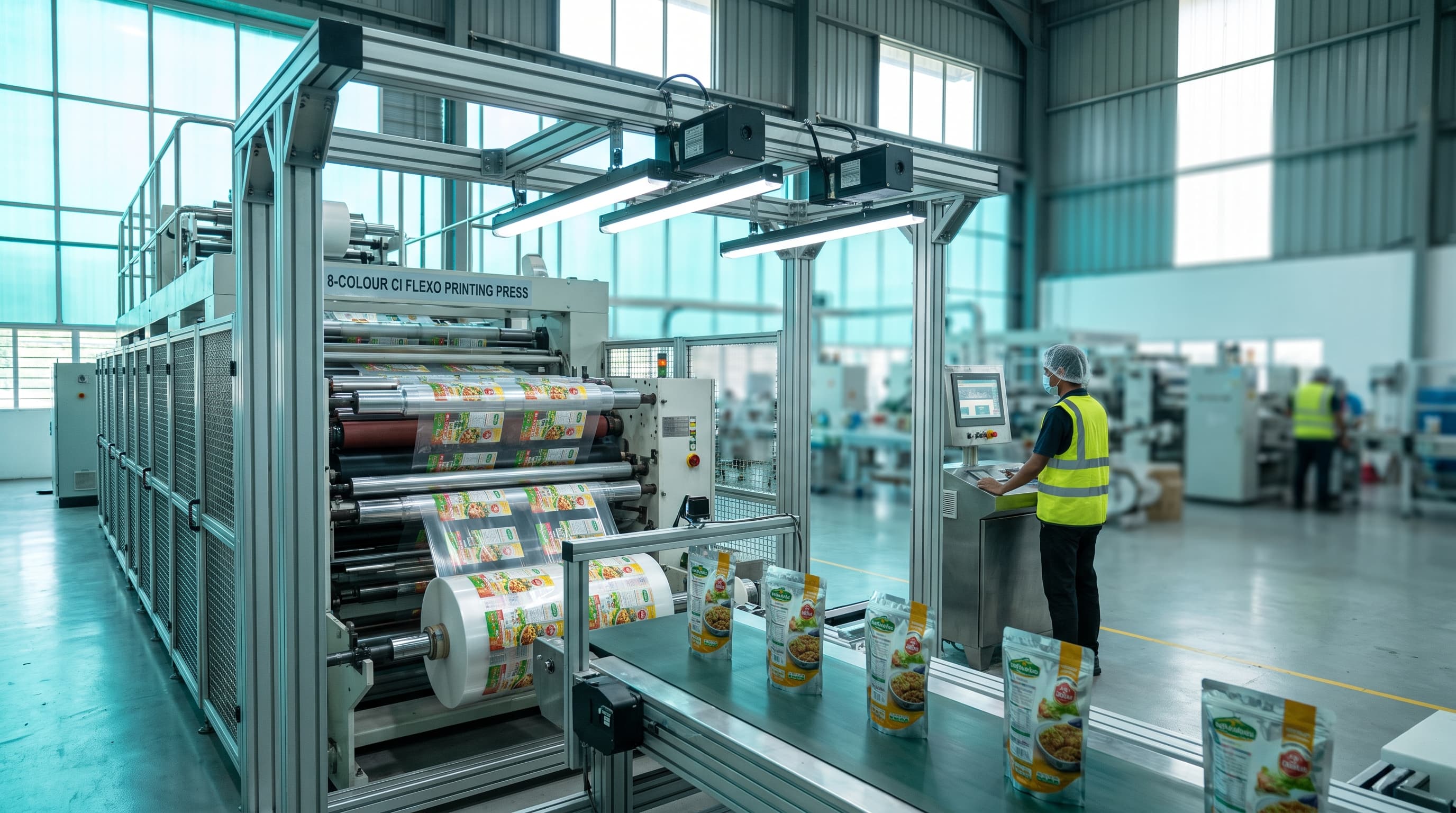
Case study: how a Kulim line cut mislabels 87% with AI vision
A 60-person Kulim Hi-Tech Park packaging line was scrapping 2% of finished output for mislabeled films. We spec'd a small AI vision checker. Scrap fell to 0.27% in 7 weeks.
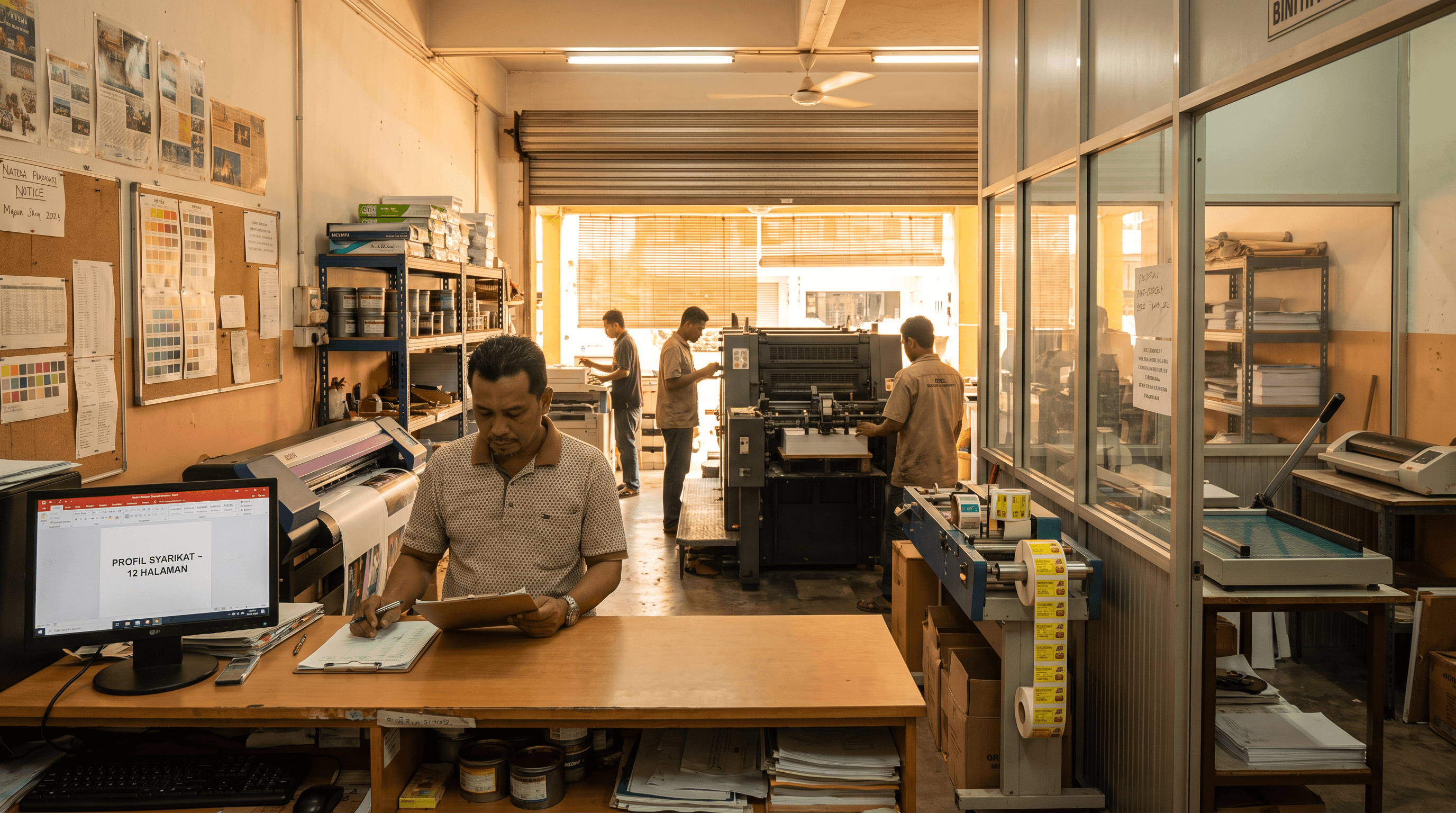
Case study: how an Alor Setar printing shop cut quote turnaround from 3 days to 4 hours with document-AI
A 22-year-old Alor Setar commercial printing shop was taking 2-3 days to turn a customer PDF into a firm quote. We built a document-AI pipeline. 5 weeks in, quotes land in 4 hours and the owner has stopped losing walk-in jobs to faster competitors in Penang.