
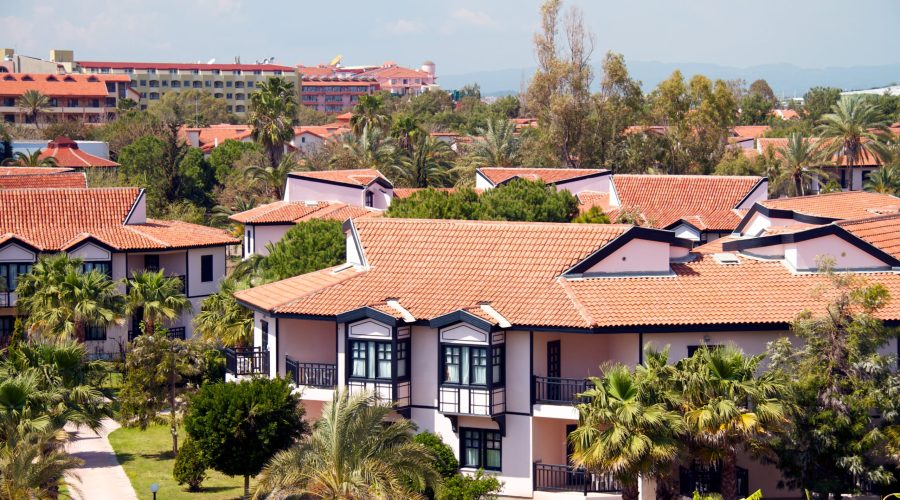
Malaysia’s Rising Stature As A Branded Residential Spot
Asia Pacific is no longer just part of the branded residences conversation; it’s leading it. With over 900 new branded residential developments set to launch globally in the next five to six years, the region now matches North America in both completed projects and pipeline growth.
What began in resort hotspots like Phuket and Bali has evolved into a full-fledged real estate revolution, with cities across the region reimagining luxury living, and Malaysia is quickly becoming one of its most intriguing chapters.
At the heart of this transformation is a structural shift in demographics and demand. Rapid urbanisation, surging middle-income populations and a boom in high-net-worth individuals across Asia Pacific, particularly in China, India, Indonesia and Vietnam, have expanded the buyer pool significantly.
Luxury is no longer just about exclusivity; it’s about experience, design and service, and buyers now expect the five-star hotel lifestyle to extend into their homes.
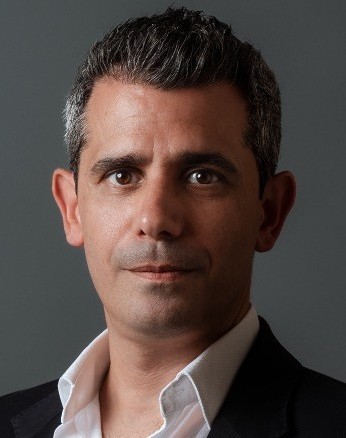
“Asia Pacific isn’t just participating in the branded residences story, it’s driving it,” said Riyan Itani, one of the world’s leading advisors in the branded residential sector.
He emphasised that Malaysia is well-positioned to benefit from this momentum.
Malaysia’s Strategic Advantage
Often overshadowed by more aggressive markets like Thailand and Vietnam, Malaysia has been quietly laying the groundwork for long-term success. Kuala Lumpur currently ranks among the world’s top 10 cities for branded residences. At the same time, Penang has emerged as a rising star in Southeast Asia, reflecting Malaysia’s evolution from a single-city focus to a multi-node residential ecosystem.
“Malaysia offers something very few markets in Asia Pacific can: A rare mix of regulatory stability, an English-speaking business environment, transparent legal systems and relative affordability.
“These are the factors that entice both international developers and high-end buyers,” Riyan explained to BusinessToday.
He added that Malaysia’s position in the region is also geographically strategic.
“Compared to the high cost of entry in Singapore or the complexity of doing business in parts of Indonesia or the Philippines, Malaysia provides a middle ground of accessible, investable and increasingly cosmopolitan.
“Crucially, global hospitality giants have taken notice as Malaysia is home to branded residential projects by Four Seasons, St Regis, Ritz-Carlton, Marriott, Banyan Tree, Anantara and Dorsett, and luxury fashion house Karl Lagerfeld even chose this country for its first-ever foray into hotel-branded living,” Riyan said, while highlighting that this sends a strong signal to the market where Malaysia isn’t just open for business; it’s attracting global icons.
Asia Pacific: From Strength to Influence
Regionally, meanwhile, Asia Pacific accounts for 24% of global branded residences, a figure that is expected to grow further.
“Thailand leads in total project volume, with 71 branded residences either completed or in the pipeline, followed closely by Vietnam’s explosive pipeline growth and China’s more mature, high-density offering.
“India, Indonesia and the Philippines are also emerging with differentiated strategies,” Riyan shared, while noting that Asia Pacific’s ascent is not just about quantity, it’s about diversification.
“Unlike the global average, where branded residences are largely concentrated in the luxury tier, Asia Pacific has a broader chain scale spread. About 25% of its projects fall into the upscale and midscale categories, nearly double the global average.
“This means the region is not just catering to the ultra-wealthy, but to a more diverse, experience-driven segment of buyers,” Riyan said.
He revealed that buyers in Asia are redefining what luxury means, where it’s no longer about marble finishes or being behind gates, it’s about lifestyle, identity and seamless service.
“And this trend is opening doors for Malaysian developers to think beyond traditional models,” he said.
New Formats, New Thinking: Malaysia’s Emerging Model
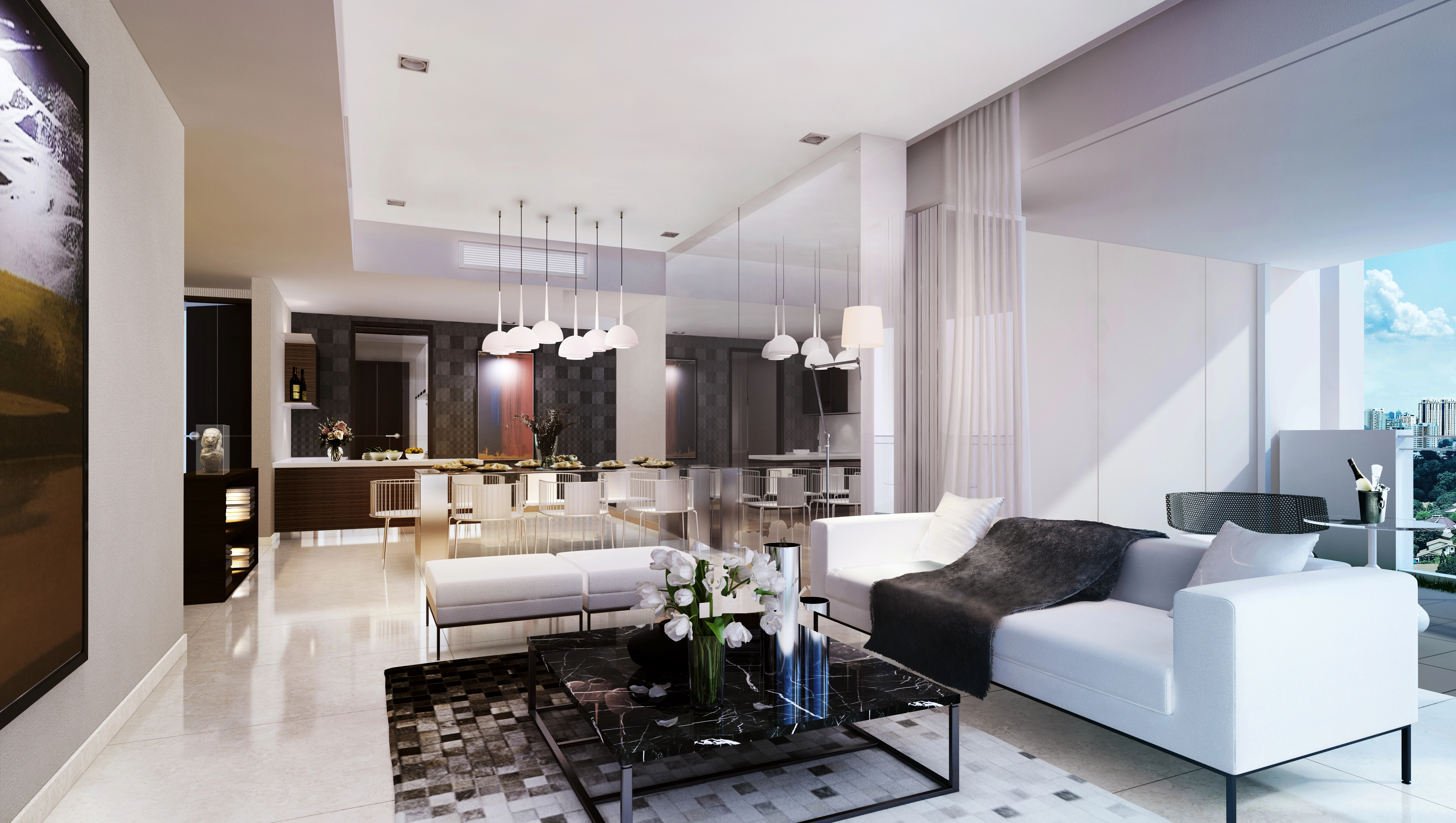
He shared that a major trend is sweeping the region and gaining traction in Malaysia: The rise of standalone branded residences. These are projects that carry the prestige and service standard of a global hospitality brand but are not physically connected to a hotel.
“Standalone models now represent a third of branded residence projects in Asia Pacific and 36% globally as these projects allow for greater design freedom, more flexible operations and most importantly, faster capital recovery through pre-sales,” Riyan said, adding that for developers, the appeal is both financial and strategic.
“Unlike hotel-linked residences, standalone projects can be launched and monetised earlier, often through off-plan sales, enabling developers to manage risk more effectively, especially in high-interest environments,” he said.
He highlighted that Malaysia is already moving in this direction as he revealed that his team is currently advising a Kuala Lumpur-based developer on a branded residence that departs from traditional ultra-luxury models and instead embraces a design- and lifestyle-led philosophy.
“It’s about offering a global brand experience to a broader audience, not just the top 1%,” he noted.
He shared that the rise of Penang, with its coastal appeal, heritage charm and lower entry costs, mirrors successful second-city strategies seen in places like Hoi An in Vietnam and Bali in Indonesia.
“Secondary cities are where the next wave of growth is coming from,” Itani adds. “And Penang has all the ingredients to thrive.”
Looking Ahead: Malaysia’s Window of Opportunity
As branded residences evolve from luxury exclusivity to lifestyle accessibility, Malaysia has a unique opportunity to lead within Asia Pacific, not by replicating others, but by innovating.
“Developers should resist the temptation to chase volume and focus on the fundamentals of location, execution, brand alignment and long-term value creation.
“Malaysia’s potential lies in smart differentiation. Whether through midscale branded living, standalone formats or tapping into lifestyle and wellness trends, the future of branded residences here is not just promising, it’s pivotal to the region’s next chapter,” Riyan stressed.
For now, the challenge and the opportunity are clear: Turn Malaysia’s competitive fundamentals into a standout story in Asia’s most dynamic real estate sector, Riyan emphasised.

