

Navigating Energy Volatility | Guide for Malaysian Businesses
The world’s energy map is being redrawn before our very eyes. A tremor in the political landscape of Eastern Europe or a shift in trade winds across the Middle East can now cause immediate ripples felt in boardrooms from Kuala Lumpur to Johor Bahru. For decades, the flow of energy followed predictable patterns, but today, that certainty has evaporated. Driven by intense geopolitical rivalries and the strategic manoeuvres of emerging economic powerhouses like India and China, the global energy market is in a state of flux. While this volatility presents clear challenges, it also carves out remarkable new pathways. For forward-thinking Malaysian businesses, this disruption is not a storm to be weathered, but a tide to be navigated towards new horizons of growth and resilience.
A World of Shifting Allegiances
The old certainties of the energy sector are fading. Traditional supply chains, once considered unbreakable, are now being stress-tested by international conflicts and shifting alliances. We are witnessing countries like China and India adopt highly pragmatic energy strategies, often buying resources from nations facing sanctions from the West. This reshapes global demand and creates new pricing dynamics that are not always aligned with traditional Western benchmarks. For a trading nation like Malaysia, deeply integrated into the Asian economic ecosystem, understanding these new currents is not just academic. It directly influences everything from manufacturing costs to logistics planning, creating a business environment where awareness is your greatest asset.
The Real Cost of Market Volatility
The recent tensions in the Middle East, particularly those affecting shipping lanes in the Red Sea, are a perfect example of how distant events have a local impact. These disruptions add a ‘risk premium’ to oil prices and increase shipping insurance and transit times, directly affecting the bottom line for Malaysian importers and exporters. The ongoing uncertainty surrounding oil production in key regions means that price volatility is now a standard feature of the market, not a temporary bug. This instability makes long-term financial planning difficult and underscores the danger of relying on a single source or type of energy. Businesses must accept this new reality and adapt their strategies accordingly.
From Observer to Active Player
In this dynamic new era, a passive approach to energy is no longer viable. Success will be defined by proactivity. The most fundamental first step for any Malaysian enterprise is to actively monitor global energy market trends. This goes far beyond a simple daily check on Brent crude prices. It means understanding the geopolitical undercurrents, tracking policy changes in major economies, and anticipating shifts in supply and demand. This deep knowledge is what transforms a business from a price-taker into a strategic player, capable of making informed decisions that protect margins and open up new opportunities. Gaining this insight is the bedrock of building a resilient energy strategy for the future.
Investing in a Stable, Greener Future
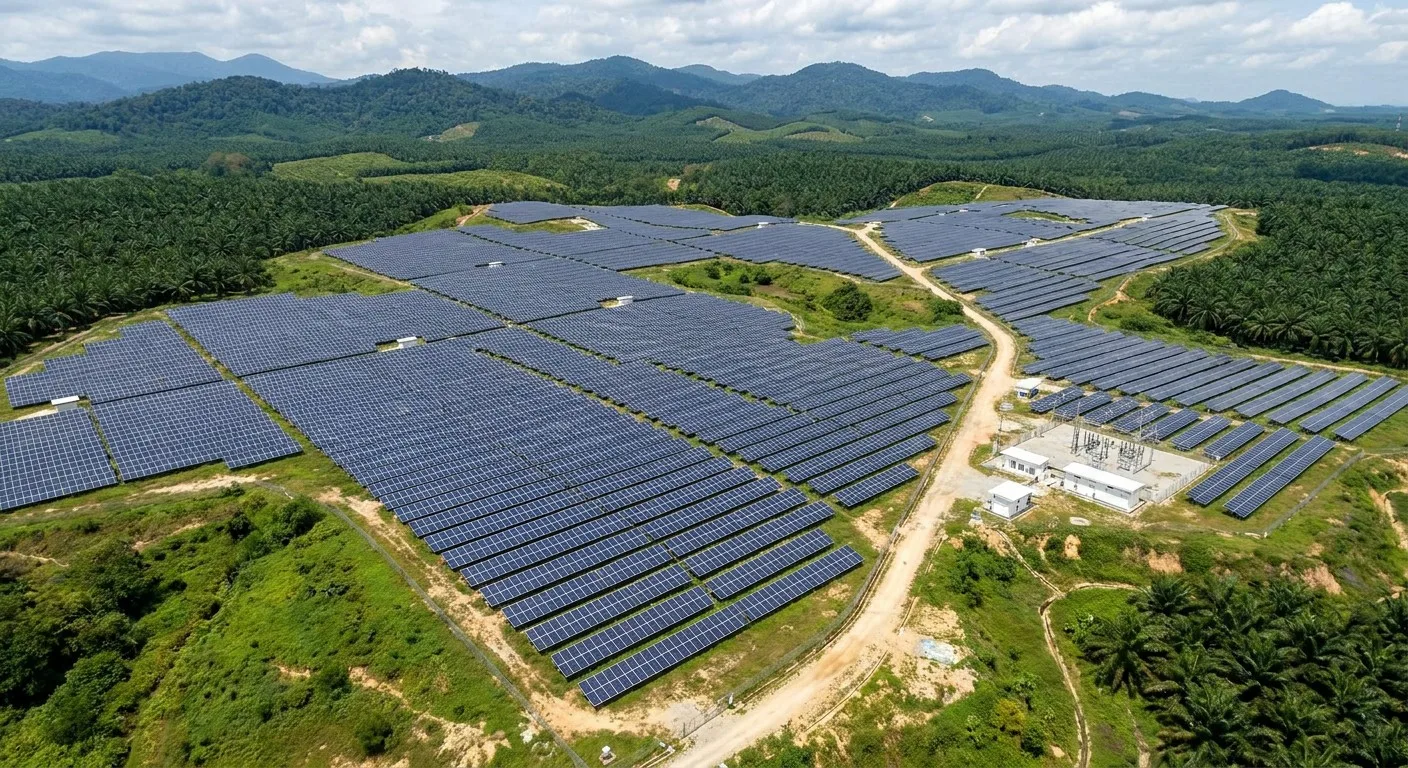
One of the most powerful responses to market volatility is to reduce reliance on it. This is where renewable energy comes into its own. Malaysia’s National Energy Transition Roadmap (NETR) provides a clear signal that the future is green, creating a supportive environment for change. We believe it is the perfect time for businesses to seriously explore renewable energy investments. Installing solar panels on a factory roof, for example, is no longer just a corporate social responsibility initiative; it is a sound financial decision. It provides a hedge against fossil fuel price spikes, offers long-term cost predictability, and enhances a company’s brand reputation in an increasingly eco-conscious market.
Building Agility into Your Energy Plan
The days of signing a simple, long-term, fixed-price energy contract and forgetting about it are over. To thrive in today’s market, businesses must develop flexible energy procurement strategies. This could involve using a mix of short-term contracts, engaging in savvy energy trading, or investing in on-site generation to reduce grid dependency. Such an approach allows a company to adapt quickly, taking advantage of price drops while being shielded from the worst of the peaks. A key component of this agility is the continuous effort to monitor global energy market trends, as this real-time information is essential for making the quick, smart decisions that a flexible strategy demands.
Future-Proofing Your Operations
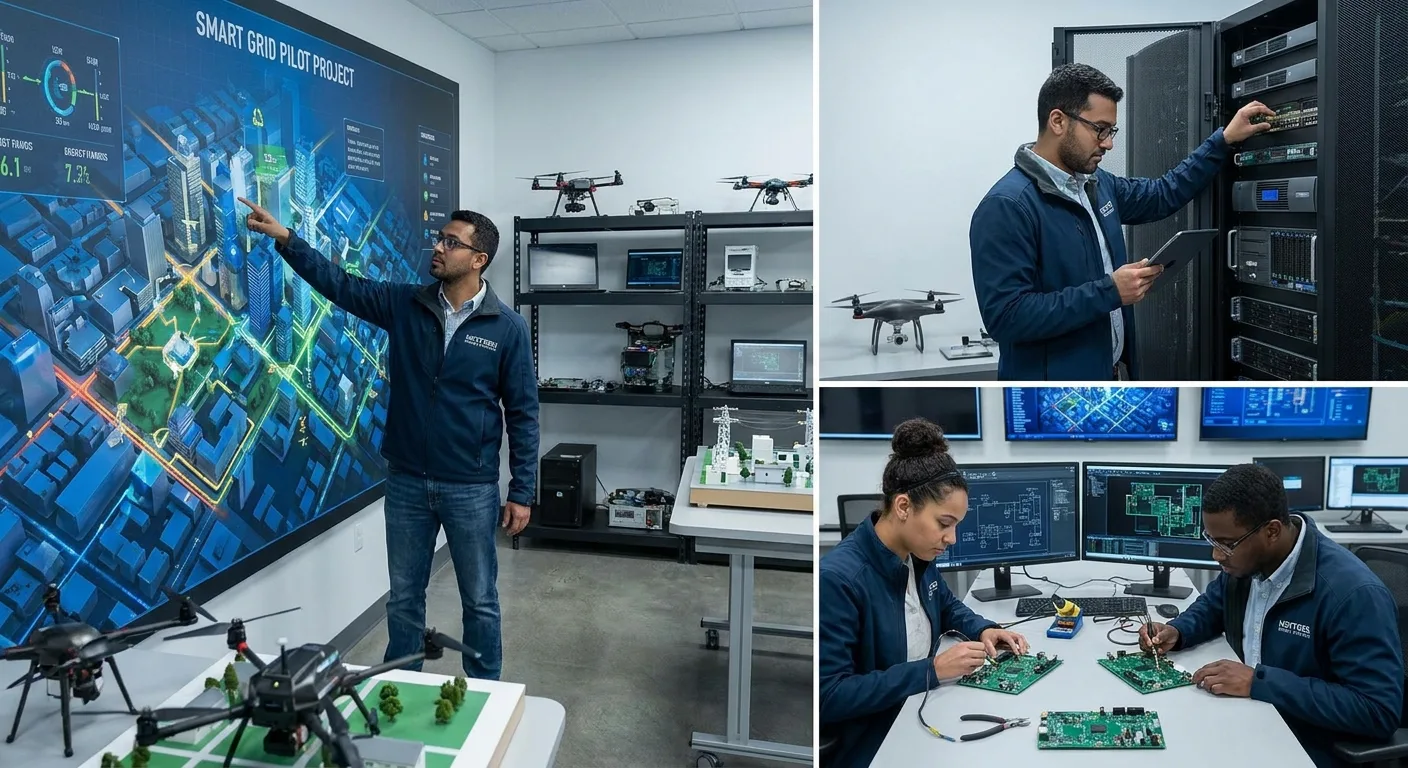
A smart energy strategy must be supported by the right physical assets. This is where technology and infrastructure adaptation becomes essential for long-term survival and growth. This could mean upgrading machinery to be more energy-efficient, installing smart meters to optimise consumption, or investing in battery storage systems to store solar power generated during the day for use at night. The decision to explore renewable energy investments is often the catalyst for this broader upgrade. Furthermore, effective technology and infrastructure adaptation is precisely what enables businesses to execute the flexible energy procurement strategies needed to compete in a fast-changing world. It is about building a business that is not just efficient today, but resilient for decades to come.
In conclusion, the disruptions roiling the global energy landscape represent a defining challenge of our time. Geopolitical tensions and the strategic realignment of major economies have introduced a level of volatility that will not disappear anytime soon. However, within this uncertainty lies a powerful opportunity for Malaysian businesses. By embracing a proactive stance, the savviest companies can turn these challenges into a significant competitive advantage. This means moving beyond passive observation to actively analysing market shifts, exploring the financial and strategic benefits of renewable energy, adopting agile procurement methods, and investing in future-proof technology. For those willing to adapt and innovate, the path through this new global energy landscape leads not to peril, but to a more resilient, sustainable, and profitable future.

