
Malaysia’s Rare Earth Opportunity | Securing Future Tech
Ever wondered what gives your smartphone its vibrant display or powers the electric car gliding silently down the street? The secret lies in a group of elements that, despite their name, are shaping the future of technology. The global race for these materials is intensifying, creating new centres of power and production. While attention shifts to emerging players like Vietnam, a significant opening is appearing right on our doorstep. Here in Malaysia, we are positioned to play a key role in this high-stakes industry. This is more than just an investment trend; it represents a chance for Malaysian businesses to move into advanced manufacturing, build powerful regional partnerships, and secure a place in the technological future we are all building together.
The Essential Elements Driving Modern Technology
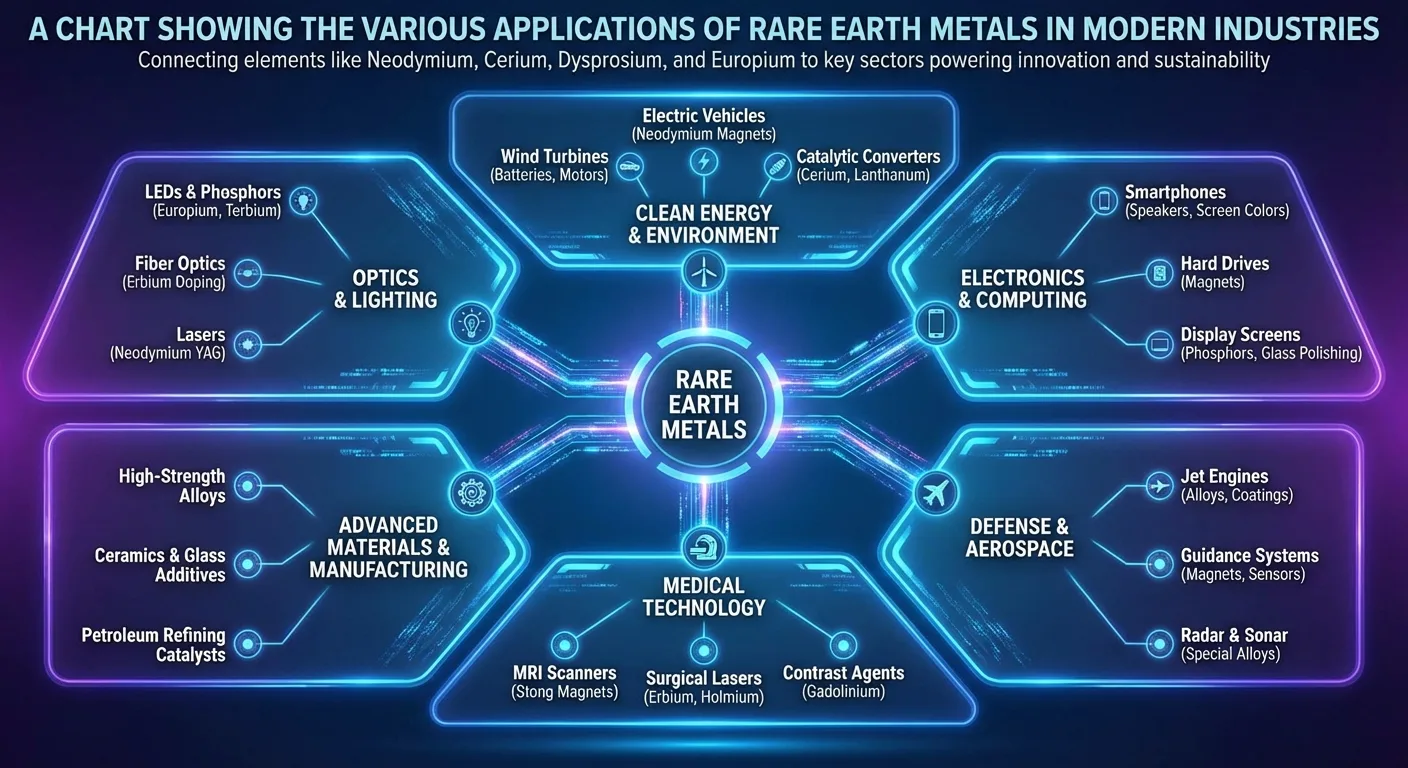
Rare earth metals are the unsung heroes of our modern world. They are a set of seventeen chemical elements in the periodic table that have unique magnetic, luminescent, and electrochemical properties. Because of this, they are essential components in everything from consumer electronics and medical imaging devices to renewable energy systems like wind turbines and solar panels. As the world pushes for greener energy and more advanced digital tools, the demand for these metals is only going to grow. For any nation, securing a stable supply and developing processing capabilities is no longer just a commercial goal—it has become a matter of strategic importance. This is the foundation upon which future industries will be built.
Malaysia’s Strategic Opening in a Shifting Market
For decades, the production of these critical metals has been concentrated in just a few hands. Now, that is changing. The global push to diversify supply chains has opened the door for new countries to step up. We see nations like Vietnam making strategic moves to become regional hubs. This global shift presents Malaysia’s rare earth opportunity. With our strong industrial foundation, skilled workforce, and strategic location in Southeast Asia, we have all the right ingredients to become a significant player. It’s an opportunity not just to extract raw materials, but to develop the advanced processing and manufacturing capabilities that create real, long-term value for our economy.
The Lynas Model: Success Through Collaboration
A clear example of this potential can be seen in the work being done by Lynas in Malaysia. The company’s success isn’t just about its processing plant in Kuantan; it’s about its forward-thinking approach to partnership. A prime example is their recent agreement with a South Korean firm to explore magnet production. This shows the power of regional industrial collaboration. By working with partners in technologically advanced nations like South Korea, Malaysian-based operations can move up the value chain. Instead of simply exporting processed oxides, we can be involved in creating finished, high-value products like permanent magnets used in electric vehicles. This kind of partnership brings in investment, transfers valuable knowledge, and integrates our industries more deeply into the global technology ecosystem.
From Local Industry to Global Player
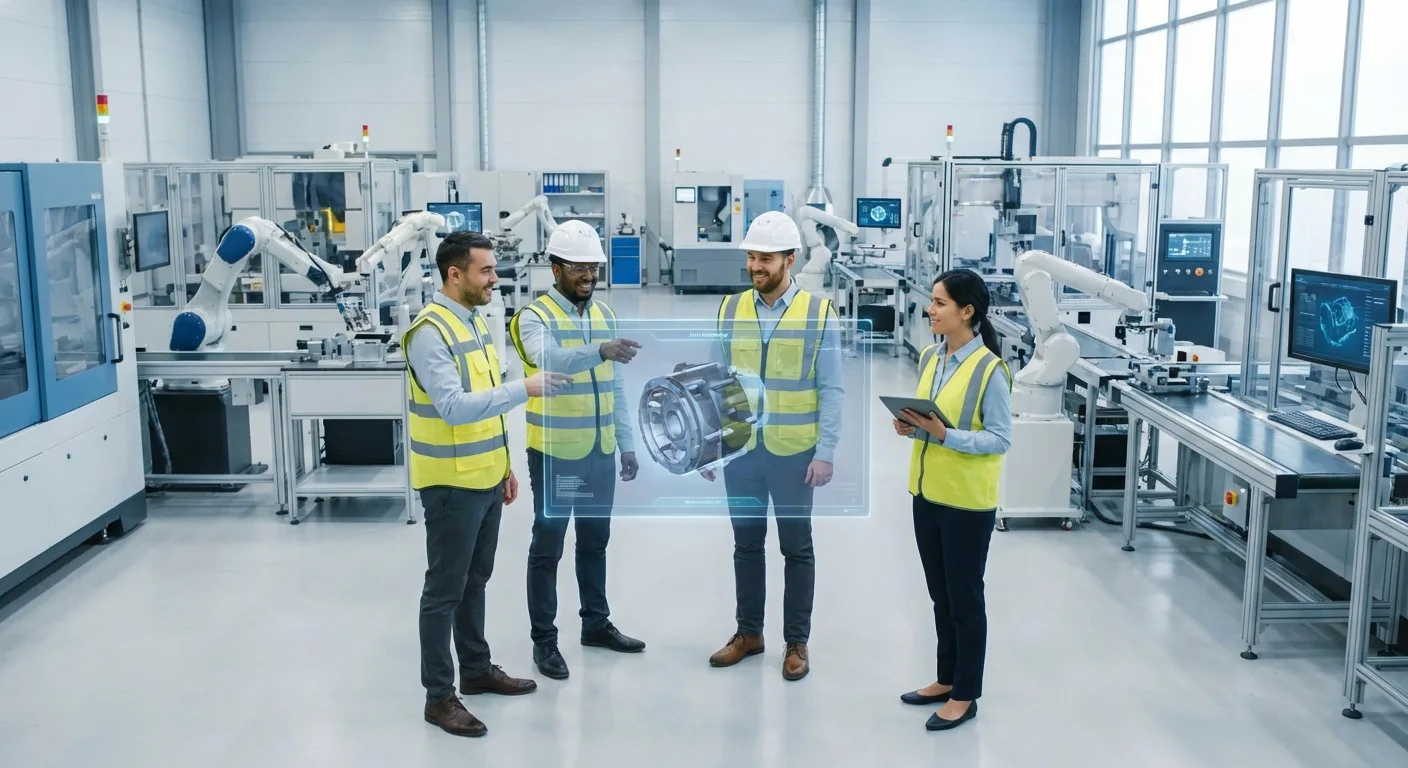
For Malaysian businesses, this trend opens up a direct path to participate in high-tech global supply chains. It’s a chance to move beyond traditional manufacturing and assembly into a more sophisticated and profitable domain. Imagine local engineering firms supplying specialised equipment, logistics companies managing complex supply routes for sensitive materials, or even tech startups developing new processing techniques. This involvement helps diversify our industrial capabilities and makes our economy more resilient. It’s about creating an entire ecosystem of businesses that can support and benefit from the growth in strategic metal production, securing our role not as a spectator, but as an active participant in the next wave of industrial development.
Fuelling the Nation’s Economic Engine
The wider impact of embracing this opportunity is immense. The economic implications for Malaysia extend far beyond the industry itself. Developing a robust rare earths sector creates high-skilled jobs, encourages innovation in our universities and research institutions, and significantly boosts our export earnings. It positions Malaysia as a reliable and advanced hub within ASEAN, attracting further foreign investment. More importantly, it helps future-proof our economy. As the world transitions to green energy and digital systems, being a key supplier of rare earth metals ensures our nation’s continued relevance and prosperity on the world stage, building a stronger and more diverse economic future for everyone.
To conclude, the landscape of technology and industry is being redrawn, and the pen is held by those who control the essential materials of the future. We have a clear and present window to act. The rising global demand for these metals, combined with the strategic shift in production, presents Malaysia’s rare earth opportunity. By fostering smart regional industrial collaboration and focusing on climbing the value chain, we can transform this potential into a powerful engine for national growth. This is our moment to step into complex high-tech global supply chains, solidifying our place in the world of strategic metal production. The economic implications for Malaysia are profound, offering a path towards a more diversified, resilient, and prosperous future.

