
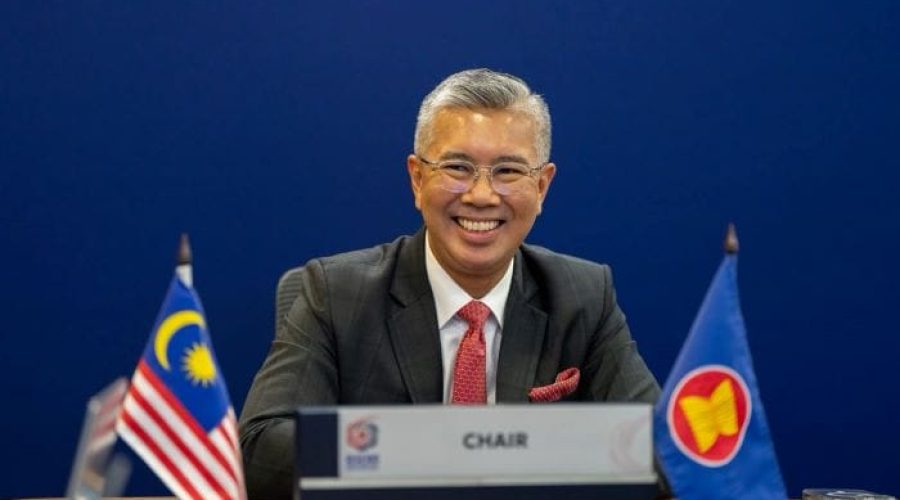
Malaysia Convenes Special ASEAN Economic Meeting To Discuss Trade With China, Japan, NZ
Malaysia, in its role as ASEAN Chair for 2025, has convened special meetings of the ASEAN Economic Ministers (AEM) with key trade partners to address concerns about growing global trade tensions. The meetings included separate consultations with: China’s Minister of Commerce (MOFCOM) , Australia’s Minister for Trade and Tourism and New Zealand’s Minister for Trade and Investment or Closer Economic Relations (CER) and Japan’s Minister of Economy, Trade & Industry (METI)
Commitment to Rules-Based Trading System
Across the consultations, the Ministers emphasized their dedication to maintaining a rules-based multilateral trading system, with the World Trade Organization (WTO) at its core. They stressed the importance of a predictable, transparent, free, fair, inclusive, sustainable, non-discriminatory, and open trade and investment environment.
AEM-MOFCOM Consultation Highlights
The meeting with China was co-chaired by Malaysia’s Minister of Investment, Trade and Industry, Tengku Datuk Seri Utama Zafrul Aziz, and China’s Minister of Commerce, Wang Wentao.
The Ministers acknowledged the potential negative impact of current global trade tensions. They expressed concern that these tensions could disrupt supply chain resilience in the region, destabilize the global trade order, intensify trade conflicts, and erode confidence in the Multilateral Trading System (MTS).
Tengku Zafrul Aziz stated that geopolitical and geoeconomic uncertainties could significantly affect businesses and consumers within ASEAN and globally, given the deep integration of various ASEAN countries in global supply chains.
The Ministers reaffirmed their commitment to signing the ASEAN-China Free Trade Area (ACFTA) 3.0 Upgrade Protocol by this year, recognizing it as a key priority for Malaysia’s 2025 ASEAN Chairmanship. The upgrade is intended to incorporate new areas such as the digital economy, green economy, and supply chain enhancements.

