Drive Growth & Financial Resilience
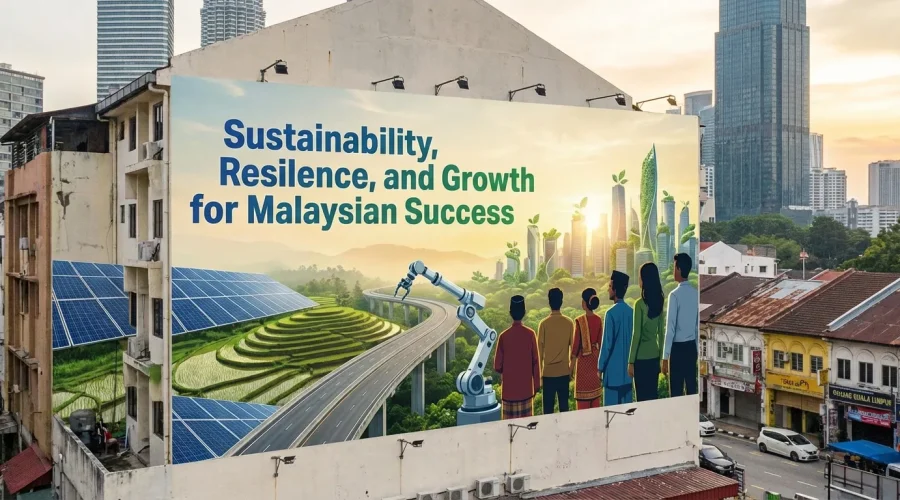
Navigating the New Business Landscape: Why Sustainability and Resilience are Malaysia’s Keys to Success
Picture this: a ship navigating the choppy waters of the global economy. Some captains are focused only on reaching the next port as quickly as possible, burning fuel at an unsustainable rate. Others, however, are reinforcing their hulls, optimising their fuel consumption, and charting a course that accounts for future storms. In today’s business world, Malaysian companies are facing a similar choice. The conversation is no longer just about quarterly profits; it’s about building an enterprise that can withstand economic turbulence while contributing positively to the world around it. This shift towards sustainability and resilience isn’t just a trend—it’s fast becoming the new standard for success, defining who will lead and who will be left behind in the years to come.
The Sustainability Imperative: More Than Just a Report
The days of treating sustainability as a footnote in an annual report are over. With the introduction of the new ACSR Guidelines by the Securities Commission Malaysia, a clear message has been sent: transparency in environmental, social, and governance (ESG) practices is now a core business requirement. This isn’t about bureaucracy; it’s about accountability. Companies are now expected to provide detailed, structured information on how their operations impact the environment and society. This push for comprehensive Sustainability Reporting helps stakeholders, from customers to investors, to see which businesses are genuinely planning for the future. It forces organisations to look inwards, identify inefficiencies, and discover new opportunities for innovation that are both profitable and responsible.
Building Financial Fortitude in Uncertain Times
While sustainability sets the long-term direction, Financial Resilience is what ensures you survive the journey. The global economic landscape remains unpredictable, with supply chain disruptions and shifting market demands becoming the norm. Malaysian businesses, particularly in sectors like banking, have demonstrated remarkable adaptability. How? By implementing robust Risk Management Strategies and maintaining diverse portfolios. They haven’t put all their eggs in one basket. This approach of preparing for various economic scenarios—not just the best-case ones—is a crucial lesson for companies in every industry. Building a strong financial buffer and having flexible operational plans are essential tools for navigating economic headwinds without sacrificing your long-term vision.
The Dual Engine of Growth: Profitability and Purpose
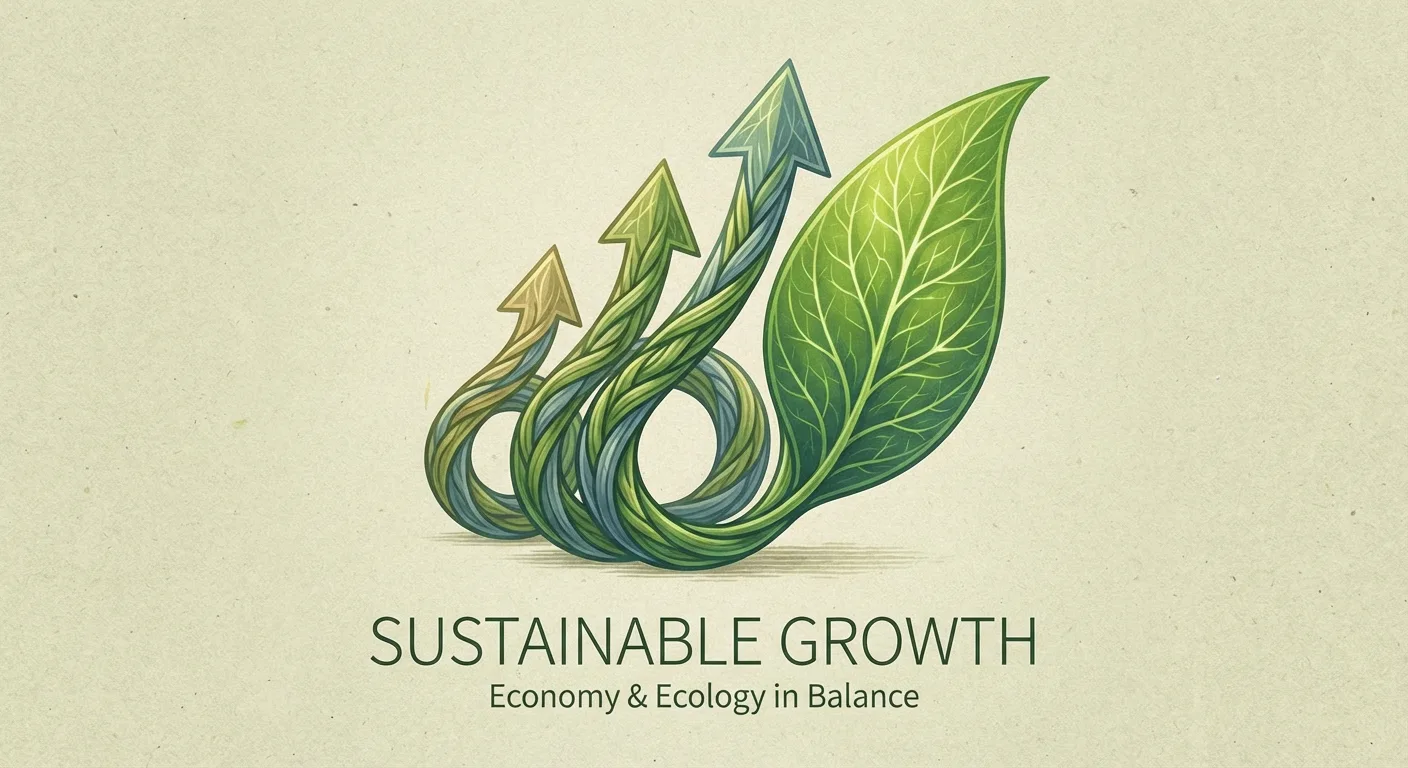
Many business leaders mistakenly view sustainability and profitability as opposing forces. The reality is that they are two sides of the same coin. Embracing transparent Sustainability Reporting is a cornerstone of smart Long-Term Growth Strategies. When a company reduces its energy consumption, it also cuts operational costs. When it invests in its employees’ well-being, it boosts productivity and retention. These practices enhance brand reputation, making the company more attractive to a new generation of consumers who value purpose as much as price. By integrating sustainability into core operations, businesses can create a powerful engine for growth that is both efficient and appealing to a wider market.
Attracting Investment in a Modern World
In a competitive global market, what makes a Malaysian company stand out? Today, a strong balance sheet is only part of the answer. Both local and International Investors are increasingly using ESG criteria to guide their decisions. They are looking for businesses that demonstrate not just profitability, but also stability and a forward-thinking mindset. A company that can prove its Financial Resilience and is compliant with frameworks like the ACSR Guidelines is seen as a safer, more reliable investment for the future. This commitment signals good governance and a proactive approach to potential risks, making these companies magnets for capital in a world hungry for dependable growth.
Conclusion: Charting a Sustainable Course for the Future
The path forward for Malaysian businesses is clear. It requires a dual focus: building the financial strength to weather immediate storms and embedding sustainable practices to ensure long-term prosperity. This integrated approach is no longer optional. Adopting robust Risk Management Strategies provides stability, while embracing the new standards for reporting creates trust and unlocks a new level of corporate accountability. By excelling in both these areas, Malaysian companies can not only navigate the complexities of the modern economy but also position themselves as attractive opportunities for discerning International Investors. Ultimately, the businesses that thrive will be those that realise that building a better future and building a stronger business are one and the same mission.