
Women Safeguarding Food Heritage and Security in Southeast Asia
Food security in Malaysia faces growing threats not only from climate change but also from the erosion of cultural traditions linked to food heritage. As floods and droughts disrupt farming livelihoods, indigenous women across Southeast Asia are stepping up to safeguard ancestral knowledge and restore fragile ecosystems—offering a vital lifeline to their communities.
In December 2022 alone, monsoon floods caused losses of RM111.95 million in the agriculture and agro-food sectors. Such disruptions expose just how fragile food systems can be, particularly for communities that depend directly on farming.
While government agencies and NGOs are working to address these challenges, there is another dimension of food security that often slips under the radar: cultural continuity.
Traditional Malaysian foods carry significance that goes beyond their flavours. They are a living expression of culture and identity. Safeguarding this food heritage is not just about preserving memories; it is a matter of resilience and survival.
Women at the Heart of Resilience
Across Southeast Asia, indigenous women exemplify this commitment. In remote communities, they undertake dual roles: managing households and protecting food systems. They preserve ancestral knowledge, adapt farming methods to new climate realities, and maintain the delicate balance between culture and livelihood.
Standing at the crossroads of heritage and survival, these women are pivotal to the resilience of their communities.
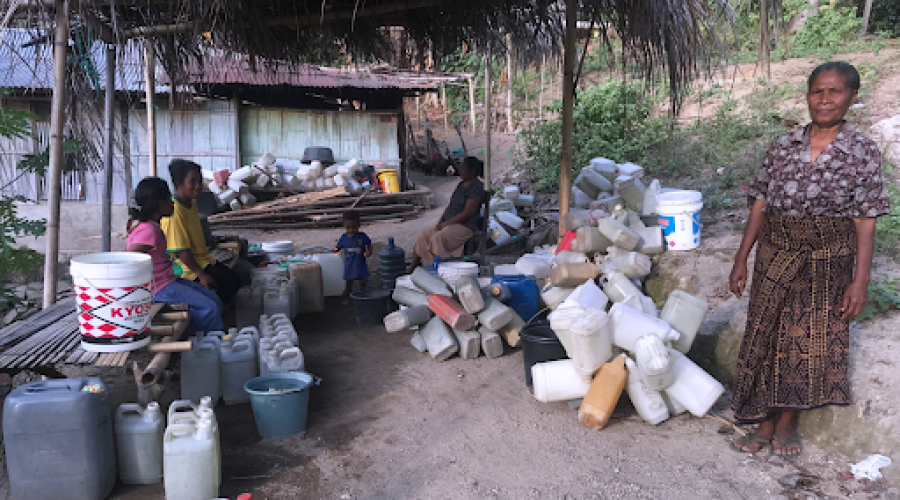
One such woman is Maria Fatima Bunga, affectionately known as Mama Fatima, from East Nusa Tenggara, Indonesia. For years, she has risen before dawn, carrying multiple jerrycans and walking half a kilometre over rocky terrain to reach the Ae Wuka spring.
Long queues mean she often cannot return home until nightfall, a daily testament to the challenges of securing essential water.
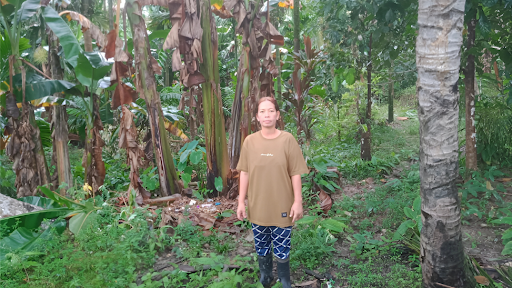
Meanwhile, in the Mentawai Islands, Fernanda, a housewife from the Mentawai tribe, confronts the devastating effects of degraded customary forests. Land once rich with trees and plants has become barren, threatening her community’s economic and environmental well-being.
Support from Communities
The struggles of women like Fatima and Fernanda have not gone unnoticed. Grassroots organisations are working alongside them to build resilience. Wahana Tani Mandiri (WTM) and Yayasan Citra Mandiri Mentawai (YCMM), both members of the Aliansi Kolibri coalition, focus on combating deforestation and strengthening sustainable agriculture across Indonesia.
WTM has identified chemical fertiliser use and land degradation as major factors behind poor water retention in the soil. In response, it has introduced land restoration programmes around Ae Wuka spring.
When describing the impact, Fatima stated, “Planting trees not only restores the environment, but it also restores our lives. Water is our hope, and these trees are also our hope for the fruits they will bear in the future.”
YCMM has been working with Fernanda’s Uma Samalelet community to map customary land, provide seedlings, and share training in planting and pest management. Importantly, it has also helped the community secure legal recognition of their customary forest management scheme.
As Fernanda explains, “With YCMM’s support, we can remain independent while protecting nature, which is the source of our life and rights.”
Impact and Hope for the Future
The positive impact of these restoration initiatives is already visible. In Korobhera Village, the return of vegetation has improved soil water retention and access to water, which in turn has boosted agricultural productivity.
The community has embraced regenerative farming methods to maintain soil fertility, and the revival of native plants has attracted wildlife back to the area.
This restoration offers renewed hope that future generations will enjoy a healthier and more sustainable environment. In Madobag Village, planted trees have opened the door to more stable livelihoods, while the strengthened indigenous rights ensure that forest management remains a vital part of the community’s identity and survival.
As Fatima reflects, long-term solutions are still needed: better water storage, more environmentally friendly farming methods, and access to high-quality seeds.
But she sees reason for optimism. “If this restoration is expanded, more families will feel its benefits. We want our village to be more resilient in facing changing seasons, with water sources still available, and crop yields sufficient to meet our daily needs.”

