
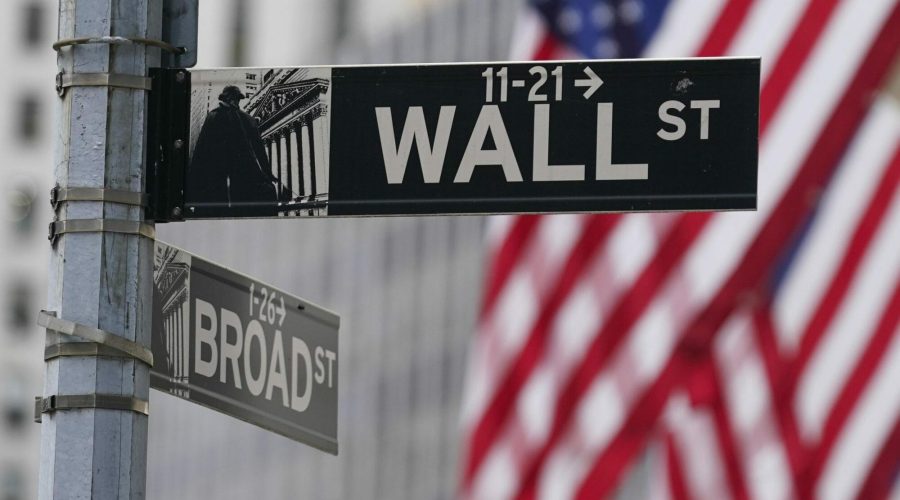
Wall Street Rallies To New Highs On Jobs Data, Trade Relief
US stocks closed the week on a high note despite a shortened trading schedule, with all major indexes rallying to new highs on the back of stronger-than-expected employment data and easing trade tensions.
The S&P 500 rose approximately 1.8%, while the Nasdaq-100 climbed 1.7%, buoyed by continued strength in tech stocks and renewed investor confidence. The Dow Jones Industrial Average led gains with a 2.3% increase, nearing fresh record territory. The Russell 2000 surged 3.4%, marking a strong rebound for small-cap stocks.
Markets were boosted by upbeat June jobs data released midweek. The US economy added 147,000 jobs, beating forecasts of 118,000, while the unemployment rate dipped to 4.1%. The positive surprise sparked a strong rally on July 2 and carried momentum into the July 4th holiday.
Tech stocks, particularly those in the artificial intelligence and semiconductor sectors like Nvidia and Broadcom, remained in focus, helping anchor the market despite some rotation into value and small caps.
Investors also found relief in global trade developments. A temporary easing of US tariffs on certain Asian imports, including a pause in new duties on Vietnamese goods, helped ease geopolitical concerns and support broader sentiment.
Meanwhile, Treasury yields edged higher following the jobs report, briefly strengthening the US dollar and signalling improved economic confidence.
Despite this week’s bullish tone, investors remain wary of looming policy risks, especially the July 9 deadline for US tariff decisions. Market watchers expect potential volatility if trade talks falter or tariffs are reimposed.
With earnings season set to begin in mid-July and Federal Reserve guidance on inflation and interest rates on the horizon, analysts are advising a cautious but optimistic outlook for the second half of 2025.
Bottomline: Wall Street’s strong showing this week reflects economic resilience and easing trade concerns, but all eyes are now on upcoming policy decisions that could shape the market’s next move.

