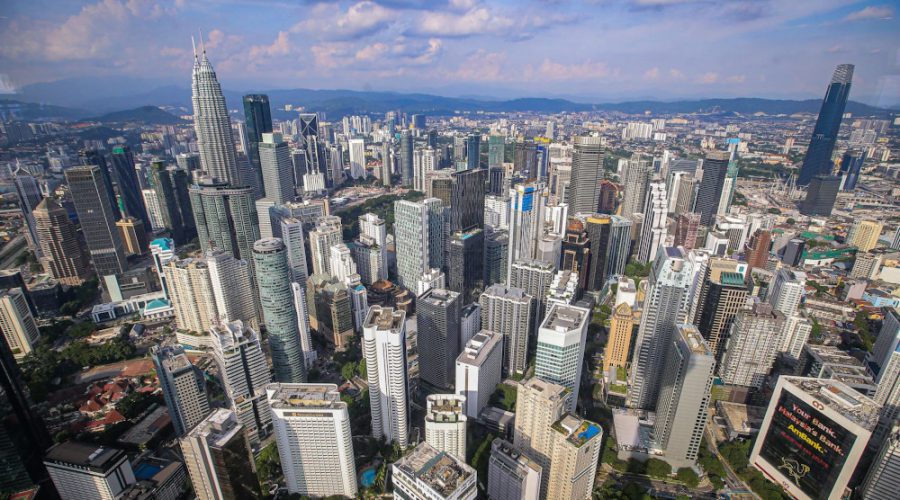
Towards Resilient Cities: Why Urban Renewal in Malaysia Must Move Forward
As Malaysia faces the mounting challenges of ageing strata properties and deteriorating urban infrastructure, the introduction of new urban renewal laws represents a timely and necessary intervention. As with all transformative reforms, the proposals have ignited public debate—some expressing support, others raising concerns.
To foster constructive engagement on this national issue, the REHDA Institute—a research and education think tank under the Real Estate and Housing Developers’ Association (REHDA)—organised the International Strata Symposium on 8–9 April 2025.
The symposium brought together experts from Malaysia, Singapore, Australia, Hong Kong, Vietnam, and Indonesia to share insights on strata law reform and en bloc redevelopment. Drawing from the discussions, REHDA Institute highlights six key points for policymakers, property owners, and the public to consider:
1. Global Precedents Provide Clear Guidance
Urban renewal is a widely adopted policy in cities such as Singapore, Melbourne, and Hong Kong, where similar challenges exist. These cities permit en bloc redevelopment based on supermajority consent—typically between 75% and 90% of owners—balancing democratic participation with practical progress.
Frameworks in these jurisdictions are owner-driven, not developer-led, and are backed by legal safeguards to prevent coercion and ensure fair compensation. Malaysia can benefit by adapting these models to fit its unique social and legal context.
2. Urban Renewal Is a Public Safety Imperative
Urban renewal should not be seen solely as a property or economic issue but as a pressing matter of public health and safety. Many strata-titled buildings constructed between the 1960s and 1980s now present serious risks, including faulty wiring, asbestos exposure, and structural deterioration.
These issues compromise resident safety, lower property values, and undermine community well-being. A proactive renewal strategy aligns with the United Nations’ Sustainable Development Goal 11, which promotes safe, resilient, and inclusive cities.
3. Displacement Concerns Can Be Responsibly Addressed
Fears around displacement and affordability are understandable but not insurmountable. Countries with mature urban renewal systems offer lessons in managing relocation and compensation fairly. Mechanisms such as independent valuations, relocation subsidies, temporary housing, and right-of-return policies have proven effective.
Malaysia has the opportunity to craft a locally tailored, compassionate approach that upholds resident rights while enabling urban regeneration.
4. Inaction Will Lead to Greater Costs
Neglecting urban decay will lead to far-reaching social and economic consequences. Lessons from cities like Detroit and Hong Kong’s former Kowloon Walled City demonstrate the risks of prolonged inaction—rising crime, deteriorating living standards, and spiralling maintenance costs.
In Malaysia, early signs of such decline are visible in parts of Kuala Lumpur. Proactive renewal policies can prevent future crises and reduce the long-term financial burden on the nation.
5. Land Rights Will Be Protected
Concerns over loss of property, especially among elderly and long-term owners, remain one of the most emotionally charged issues. However, the government has reiterated its commitment to protecting individual land rights.
The proposed laws include multiple safeguards to ensure consensus-based, not coercive, redevelopment. With strong governance and transparent engagement, these laws can reinforce—not weaken—property rights.
6. Supermajority Rule Supports Democratic Principles
While some critics argue for unanimous consent in redevelopment, such a requirement often empowers a small minority to block much-needed improvements. The proposed supermajority model is consistent with democratic norms and ensures that projects with broad support can move forward. It strikes a fair balance between individual dissent and community progress.
A Path Forward
REHDA Institute emphasises the need for evidence-based, inclusive policymaking. Through international study visits to cities such as Singapore, Shenzhen, and Melbourne, the Institute has examined best practices in urban renewal.
It urges all stakeholders to engage in fact-based, pragmatic discussions and to work collaboratively to shape legislation that secures a sustainable urban future.
To further this dialogue, REHDA Institute will host two upcoming events: the Executive Dialogue on the Position Paper – Urban Renewal: Making It Work on 26 May 2025, and Sustainability Conversations: Transforming Urban Landscapes through Renewal on 10 June 2025. These platforms will continue the conversation on how Malaysia can renew its urban environments while protecting its people and their homes.