
Shining a Light on Brain Tumours: Advances, Awareness, and Recovery
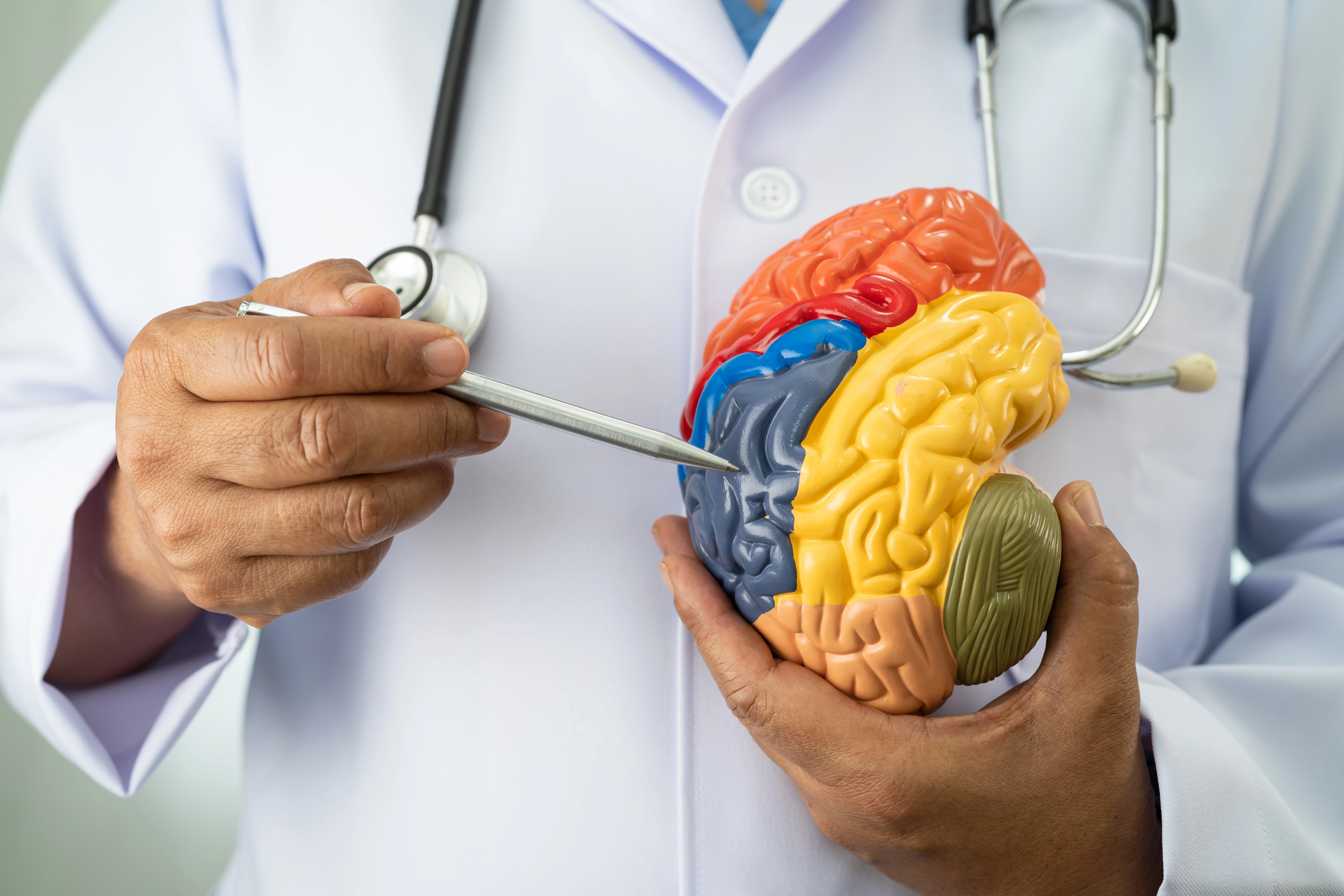
The term “brain tumour” still sparks fear in many, often due to outdated beliefs and a lack of public awareness. But behind the stigma lies a different story—one shaped by medical progress, patient resilience, and the power of early diagnosis.
Consultant Neurosurgeon Dr Ravindran Karuppiah of ParkCity Medical Centre is working to challenge these misconceptions and shed light on what living with, and treating, a brain tumour looks like today.
Understanding Brain Tumours
Brain and central nervous system (CNS) cancers remain relatively rare in Malaysia, accounting for about 1.7% of newly diagnosed cancer cases.
The annual incidence is approximately 1.26 per 100,000 people, with slightly higher rates observed in children under 14. Thanks to improved public awareness and advances in imaging technology, more cases are being detected earlier, enabling patients to receive timely and potentially life-saving treatment.
A brain tumour is an abnormal growth of cells in or around the brain. These tumours are broadly divided into benign and malignant types.
Benign tumours, such as meningiomas, grow slowly and don’t spread to other parts of the body, but they can still cause symptoms by exerting pressure on nearby brain structures. In contrast, malignant tumours like glioblastomas are aggressive, grow rapidly, and can invade surrounding tissues.
Additionally, brain tumours may be primary, originating within the brain itself, or secondary, meaning they have spread from cancer elsewhere in the body.
Are Cases Increasing? Not Necessarily
There’s a perception that brain tumours are becoming more common, but this isn’t necessarily the case. The increase in diagnoses likely reflects improved detection rather than a genuine surge in cases.
“People today are more aware and willing to investigate symptoms like persistent headaches or vision changes,” says Dr Ravindran. The widespread availability of MRI and CT scans also means tumours are being caught earlier and more frequently.
Separating Fact from Fiction
Brain tumours are often surrounded by myths that can delay diagnosis or cause undue anxiety. Some myths that have been debunked include:
- Headaches always mean brain tumours. In reality, headaches are a non-specific symptom. Only headaches that occur alongside other signs, like vision changes, speech issues, limb weakness, or numbness, warrant urgent attention.
- Brain surgery leads to personality change or disability. Advances in surgical techniques mean operations are more precise and safer than ever. Recovery times have improved, and many patients regain normal function quickly.
- Mobile phones cause brain tumours. No reliable evidence presently supports the idea that regular mobile phone use significantly raises brain tumour risk.
Causes and Warning Signs of Brain Tumours
In most cases, the exact cause of brain tumours remains unknown. “The majority are sporadic, with no clear trigger,” explains Dr Ravindran. However, a small number of cases are linked to genetic conditions such as neurofibromatosis, which predisposes individuals to tumour growth throughout the nervous system.
Exposure to ionising radiation is also a recognised risk factor. While lifestyle factors like diet, exercise, or stress influence overall health, they have not been proven to directly cause brain tumours.
Recognising the signs early can be challenging because symptoms vary widely. Common warning signals include persistent headaches, seizures, blurred or double vision, weakness in the arms or legs, speech difficulties, and unexplained changes in mood or personality.
“If these symptoms persist or worsen, it’s important to seek medical advice,” advises Dr Ravindran. Imaging tests like MRI play a crucial role in detecting tumours early, significantly improving the chances of successful treatment.
A New Era in Treatment and Life Beyond Surgery
Modern neurosurgery has evolved significantly, with new techniques making treatments safer and more precise. “High-resolution imaging, neuronavigation systems, and intraoperative monitoring all help us operate with much greater accuracy,” says Dr Ravindran.
Minimally invasive methods, including awake craniotomies and keyhole surgeries, are becoming increasingly common, reducing recovery times and hospital stays.
Treatment doesn’t end in the operating theatre. “Recovery is a multidisciplinary process,” says Dr Ravindran. Many patients benefit from physiotherapy, occupational therapy, or speech therapy, depending on the part of the brain affected.
Equally crucial is mental health support. “The emotional toll is significant—for patients and their families. Counselling can be as important as physical rehab in the recovery journey.”
A Patient’s Story: Vision Saved Through Early Action
One case stands out in Dr Ravindran’s memory—a young woman with persistent vision problems. Imaging revealed a benign tumour pressing on her optic nerve. “We operated using minimally invasive techniques and were able to preserve her sight,” he recalls. “She came in at the right time, and that made all the difference.”
While brain tumours remain a serious diagnosis, the outlook is far more hopeful than it once was. Myths and fear still exist, but with better understanding, early detection, and the benefits of modern medicine, patients are reclaiming their lives and thriving.
“The most important thing anyone can do,” Dr Ravindran concludes, “is to pay attention to their body and seek medical advice when something feels wrong. Early detection isn’t just about survival—it’s about living well.”

