Refine And Not Introduce New Taxes
The Malaysian government should prioritise refining existing tax structures, broadening the tax base and strengthening compliance mechanisms rather than introducing entirely new taxes in the upcoming tabling of Budget 2026 on Oct 10, KPMG Malaysia said.
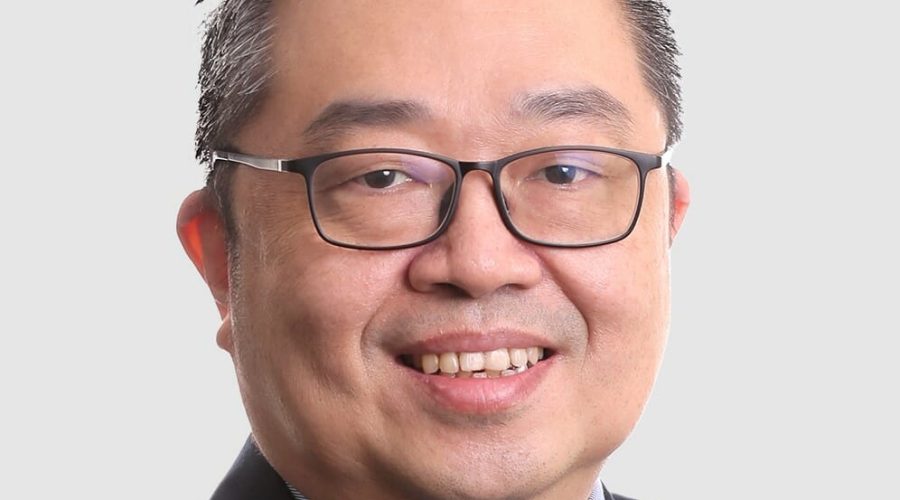
As such, KPMG Malaysia Head of Tax Soh Lian Seng noted that measures such as Sales and Service Tax coverage expansion, tightening enforcement and accelerating digitalisation through initiatives like e-invoicing are expected to feature prominently.
“We do not anticipate brand-new taxes. Instead, the government is likely to focus on making the current system more robust, fair and efficient,” he told BusinessToday.
Soh highlighted that carbon taxation is another area under close watch, as it could help align fiscal policy with Malaysia’s National Energy Transition Roadmap and climate commitments.
While implementation details may take time to be worked out, he said policymakers are expected to lay the groundwork in Budget 2026.
Sin Taxes: Balancing Revenue and Enforcement
On excise duties for alcohol and cigarettes, Soh shared that the last major increase in cigarette excise duty was in 2015, when the rate was raised by about 42.8% (from 28 sen to 40 sen per stick). For locally produced hard liquor, the last major hike was in 2016, when excise duties jumped 150% (from RM24 to RM60 per litre).
Nevertheless, he said that another hike in Budget 2026 appears unlikely because he warned that any steep increases could backfire without effective enforcement, as the illicit cigarette market in Malaysia is estimated at nearly 60% market share, translating into RM5 billion in lost tax revenue annually.
“Excise duties can be a powerful tool for both public health and revenue, but only if they are paired with enforcement measures such as digital tax stamps, tighter border controls and regional cooperation,” he explained.
Multi-Year Fiscal Roadmap Needed
Meanwhile, to cushion the impact on the economy and everyday consumers, Soh suggested that the government roll out tax changes gradually.
“The government could consider unveiling a multi-year tax and fiscal roadmap because such a framework could phase in reforms gradually, avoiding sudden shocks to households and businesses, while ensuring transparency on how tax collections are channelled into healthcare, education and infrastructure.
“Equally important is making decisions based on solid data and real feedback from businesses, consumers and experts,” Soh said.
Structural Reforms To Boost Competitiveness
Looking beyond 2026, KPMG highlighted the need for structural reforms to strengthen Malaysia’s competitiveness in the region. These include:
- Broadening the tax base while safeguarding essential goods and services.
- Linking tax incentives to measurable outcomes such as exports, job creation and ESG adoption.
- Simplifying compliance for SMEs through options like presumptive taxation models.
- Incorporating environmental levies as part of Malaysia’s net-zero ambitions.
- Enhancing collaboration with ASEAN peers to reduce cross-border tax arbitrage.
“Malaysia’s tax system must evolve to be resilient, broad-based and equitable, while preparing the economy for long-term sustainable growth under MADANI Economy,” Soh concluded.