Off-Grid Living in Malaysia | The New Business Trend
Imagine the hum of the city fading away, replaced by the quiet efficiency of solar panels and the satisfaction of genuine self-reliance. This isn’t a distant dream from a foreign documentary; it’s a reality taking root right here in Malaysia. A growing number of professionals and entrepreneurs are looking beyond the conventional urban grind, not just to escape, but to build smarter, more resilient lives. This shift towards off-grid living is more than a lifestyle choice; it’s blossoming into a powerful new business trend. In this article, we will explore how this movement is reshaping our approach to living and working, the practical tools making it possible, and the exciting business opportunities emerging from this new definition of modern success.
From Niche Concept to Mainstream Aspiration
For years, living off-grid was seen as an extreme choice, reserved for survivalists or those seeking complete isolation. Today, that perception is changing rapidly. Professionals from Kuala Lumpur to Penang are discovering that this lifestyle offers a practical solution to modern problems. The relentless rise in urban living costs, coupled with a growing desire for a better work-life balance and a smaller environmental footprint, is driving this change. It’s no longer about disconnecting entirely, but about reconnecting with what matters, powered by a desire for independence and control over one’s resources. This has made pursuing alternative living strategies a considered and aspirational goal for many.
The Technology Powering Independence
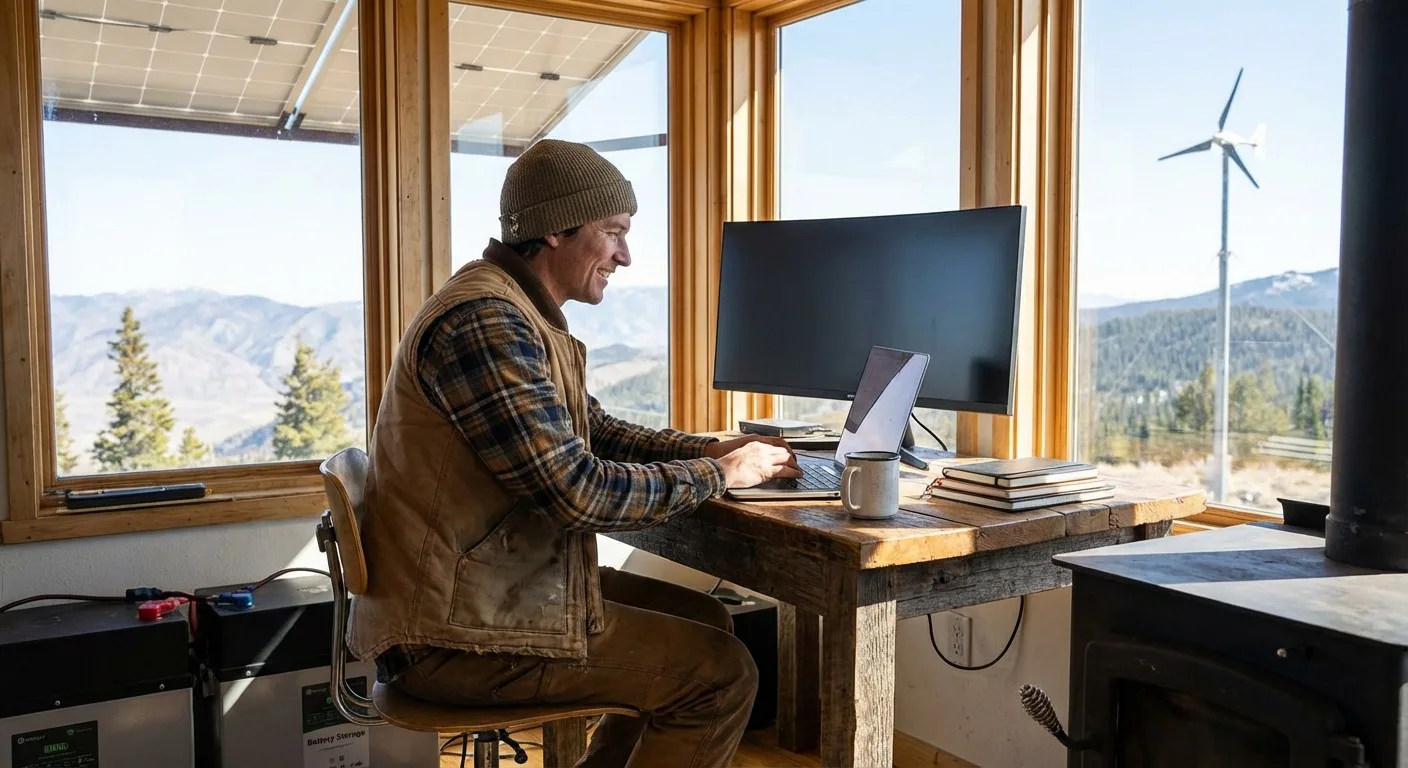
What makes this movement truly viable for the modern Malaysian is the accessibility of key technologies. Solar power, once a costly luxury, has become much more affordable. With robust solar panel systems, homeowners can generate their own electricity, freeing themselves from reliance on the grid and fluctuating energy prices. Similarly, advanced rainwater harvesting and filtration systems offer a dependable source of clean water. The rise of modular and prefabricated housing also plays a huge role. These homes can be built faster and often more affordably than traditional houses, with designs that can be customised for energy efficiency and the Malaysian climate.
The Business of Going Off-Grid
This trend isn’t just about personal living; it’s creating a vibrant new business ecosystem. For entrepreneurs, an off-grid setup dramatically reduces personal and business overheads. Imagine running an online business, a creative studio, or a consultancy with minimal utility bills and no rent. This financial freedom lowers the risk of starting a new venture and allows for greater investment back into the business. Furthermore, this movement is creating entirely new market segments. There is a growing demand for experts in solar installation, sustainable architects, off-grid system consultants, and suppliers of eco-friendly building materials. A business built on the principles of sustainability also gains a powerful marketing advantage, appealing to a conscious consumer base.
Profiles of a New Malaysian Dream
Consider the story of a graphic designer who trades her expensive apartment in Petaling Jaya for a small plot of land in rural Selangor. By investing in a modular cabin and a solar power system, she eliminates her largest monthly expenses. Her design business, run entirely online, now has a much higher profit margin. Or think of the couple who started an eco-tourism retreat in Negeri Sembilan, offering guests a taste of off-grid luxury. Their business thrives because it offers a unique experience rooted in ecological responsibility. These pioneers show that choosing alternative living strategies isn’t a step back, but a strategic leap forward, combining passion with practicality.
The Future is Self-Sufficient
The rise of off-grid living in Malaysia is a clear signal that our definitions of success and progress are evolving. It represents a perfect intersection of personal well-being, environmental consciousness, and smart economic thinking. As more people seek ways to build resilient and meaningful lives, this movement is set to grow stronger. It challenges us to think differently about our homes, our careers, and our impact on the world. The future isn’t just about smarter cities; it’s also about smarter, more independent ways of living. This blend of **sustainability** and **technology** offers a compelling vision for a more empowered and balanced life, proving that sometimes the greatest opportunities lie just beyond the beaten path.