

iPhone 17 In-Depth Review: The Base Model That Finally Feels Pro?
This is the base iPhone 17, and it might just be the most pro non-Pro iPhone you have ever seen. Because in the past, if you bought the base iPhone, you had to accept compromises, but this year Apple had no choice but to fix that. So, the real question is, is this finally the best time for you to make the switch?
Design & Build
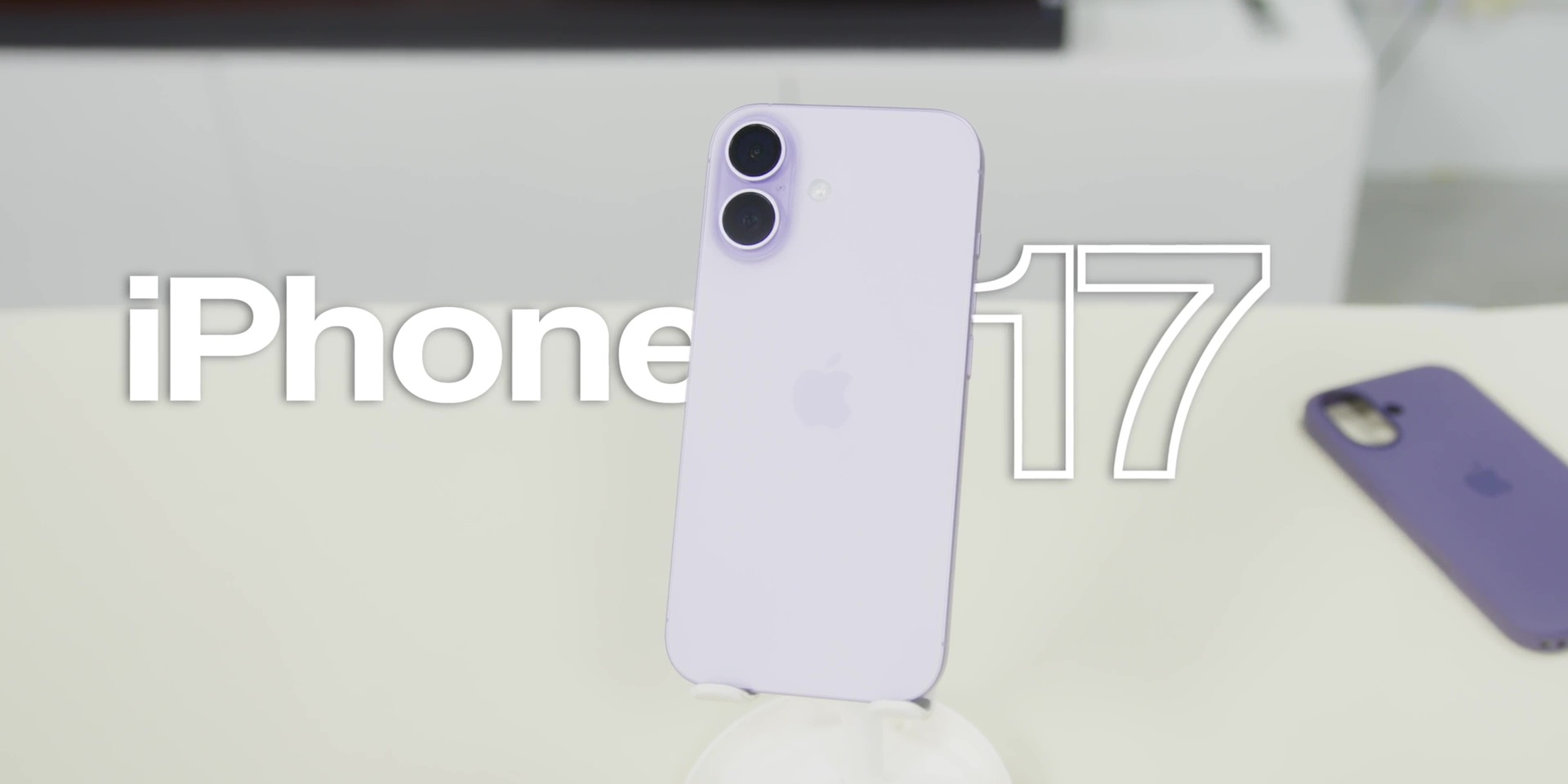
I went with this Lavender color, and it’s a color that you’ll notice right away. Refreshing and different. But apparently, the sage color was people’s favorite. So, do let me know which color of this base iPhone 17 that you like in the comment section below.
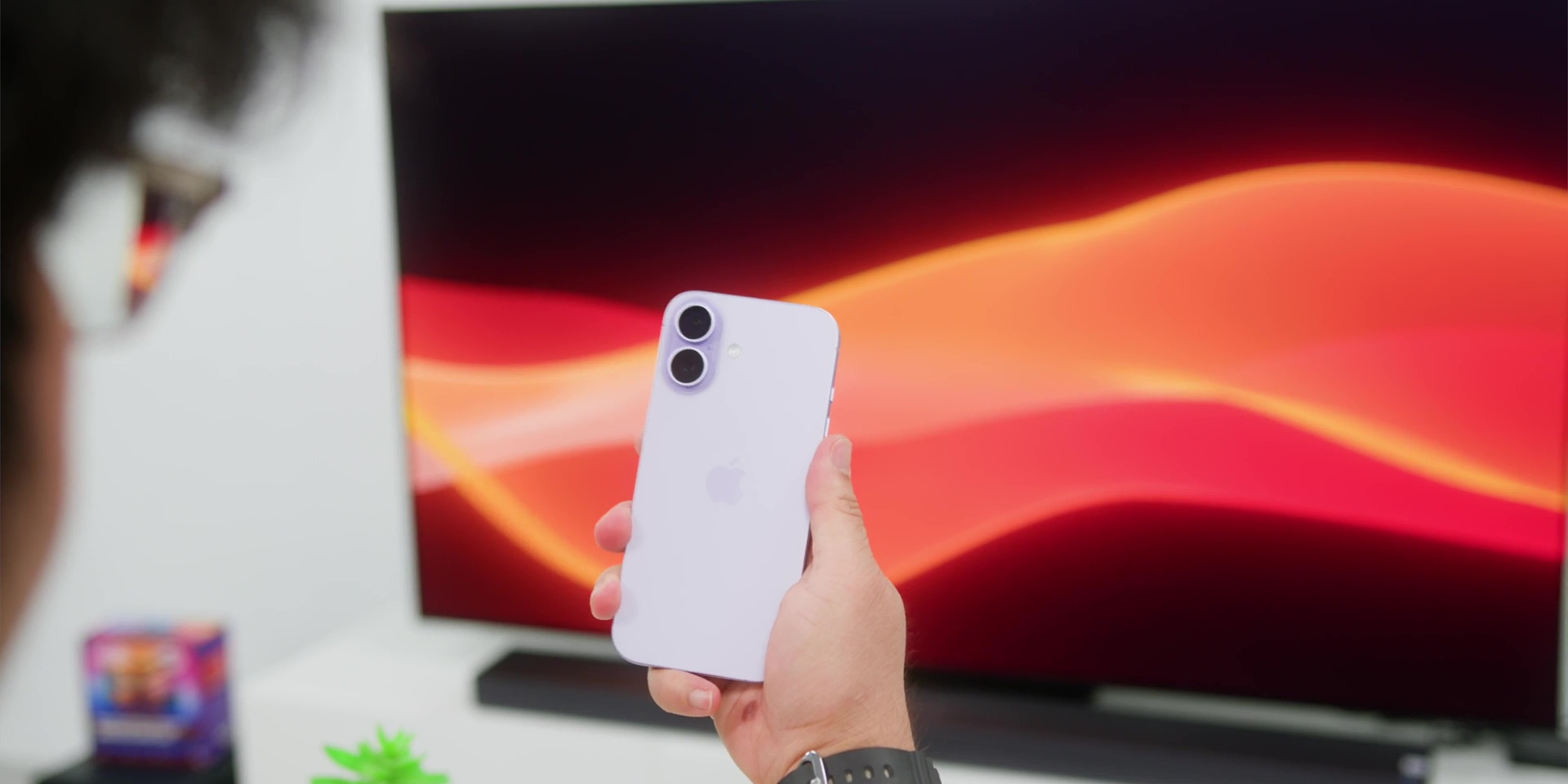
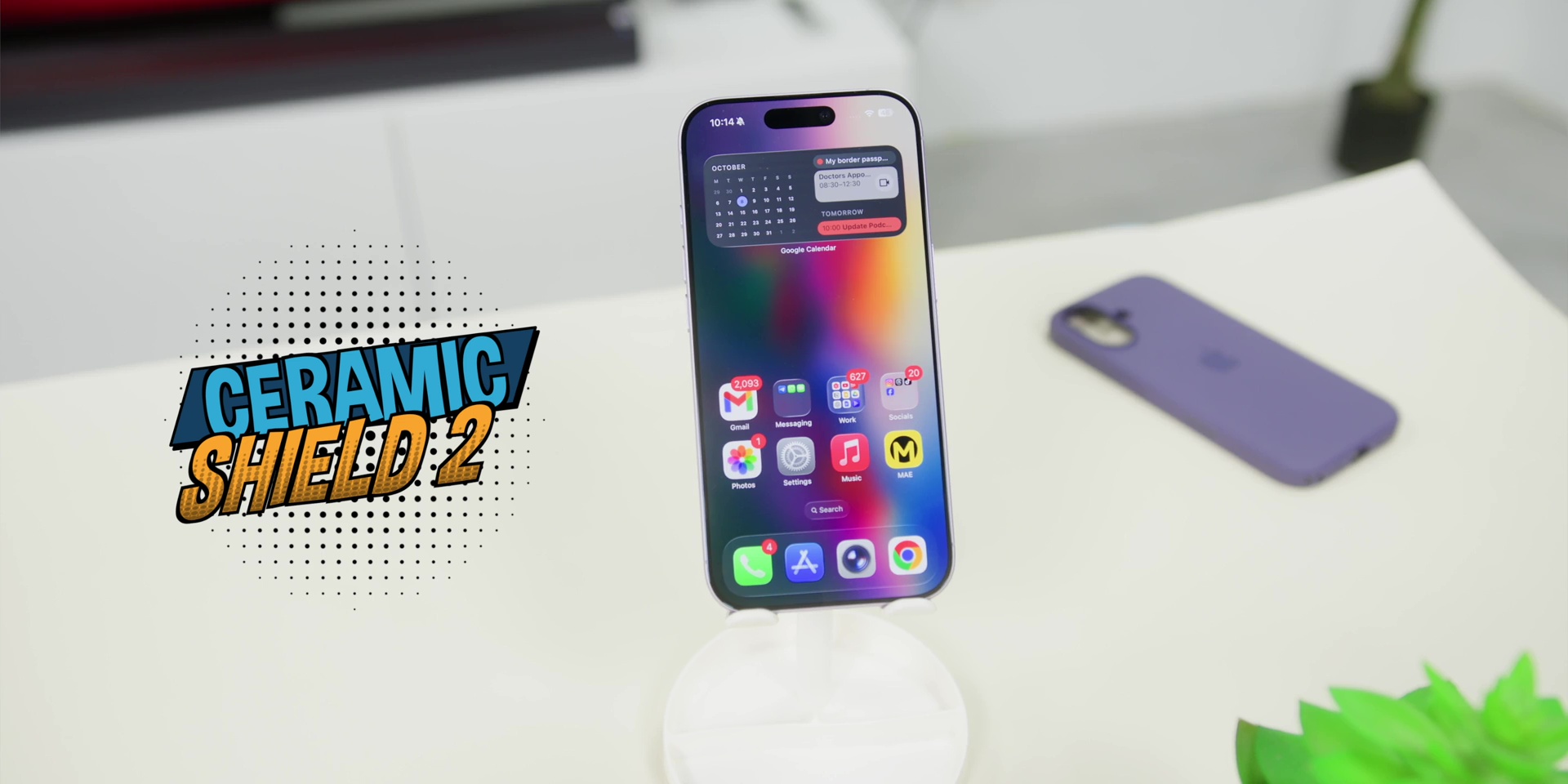
But when you hold this particular phone, the in-hand feel is very similar to last year’s iPhone 16. The sides and the back have the same smooth matte finish. But where things really change over here is the front because Apple has added the new Ceramic Shield 2 with claims of 3x more scratch resistance. Instead of testing it yourself, you can rely on Zack from JerryRigEverything, who’s already proven those claims.
But if you want the phone itself to be protected, you also have a plan where you can either go with the Apple’s Silicone Case for great stability when typing flat, or if you want something grippier or have stronger MagSafe magnets too, you can go with dbrand’s Grip Case, which will keep your phone and also your camera safe.
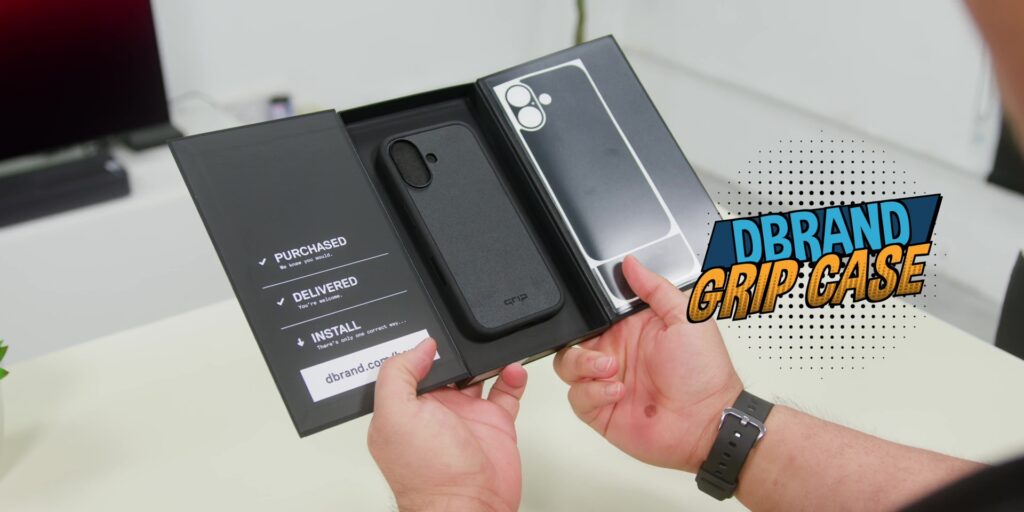
The case is super grippy to the point that you would almost never drop the phone, and even if you do, it does protect the phone very well. That way, you also protect the phone’s resale value too.
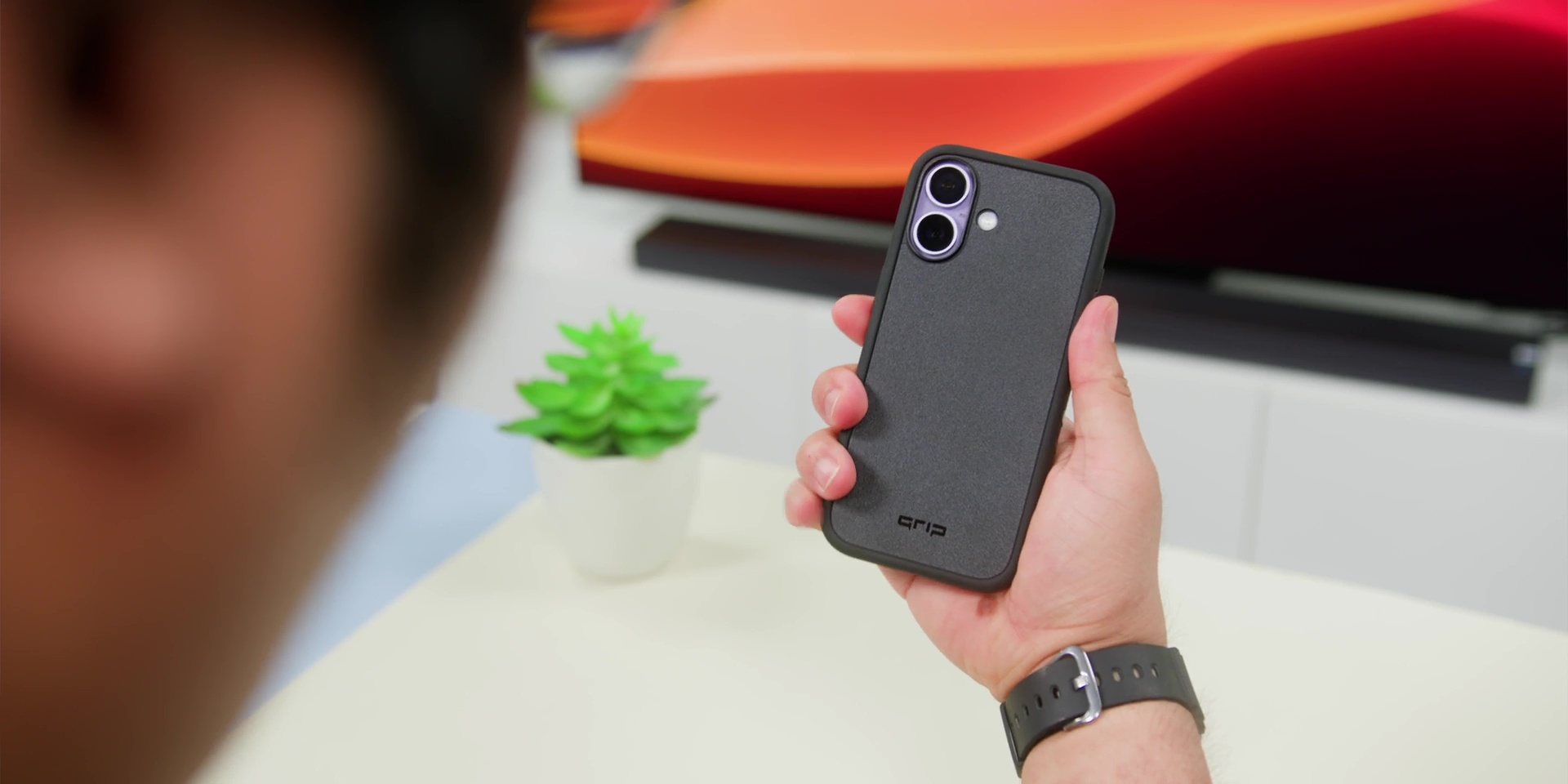
Because you probably don’t want this phone to have lots of scratches because you will drop the resale price of this phone, because I’m sure you know that if the iPhone 18 comes out next year, you can always sell this.
Check out the latest accessories from dbrand at their website here.
Display
If you’re used to a bigger size phone like the Pro Max or even a bigger size Android phone, this iPhone 17 smaller form factor does feel a little more refreshing. The same feeling of using the Google Pixel 10 since it also has the same screen size.
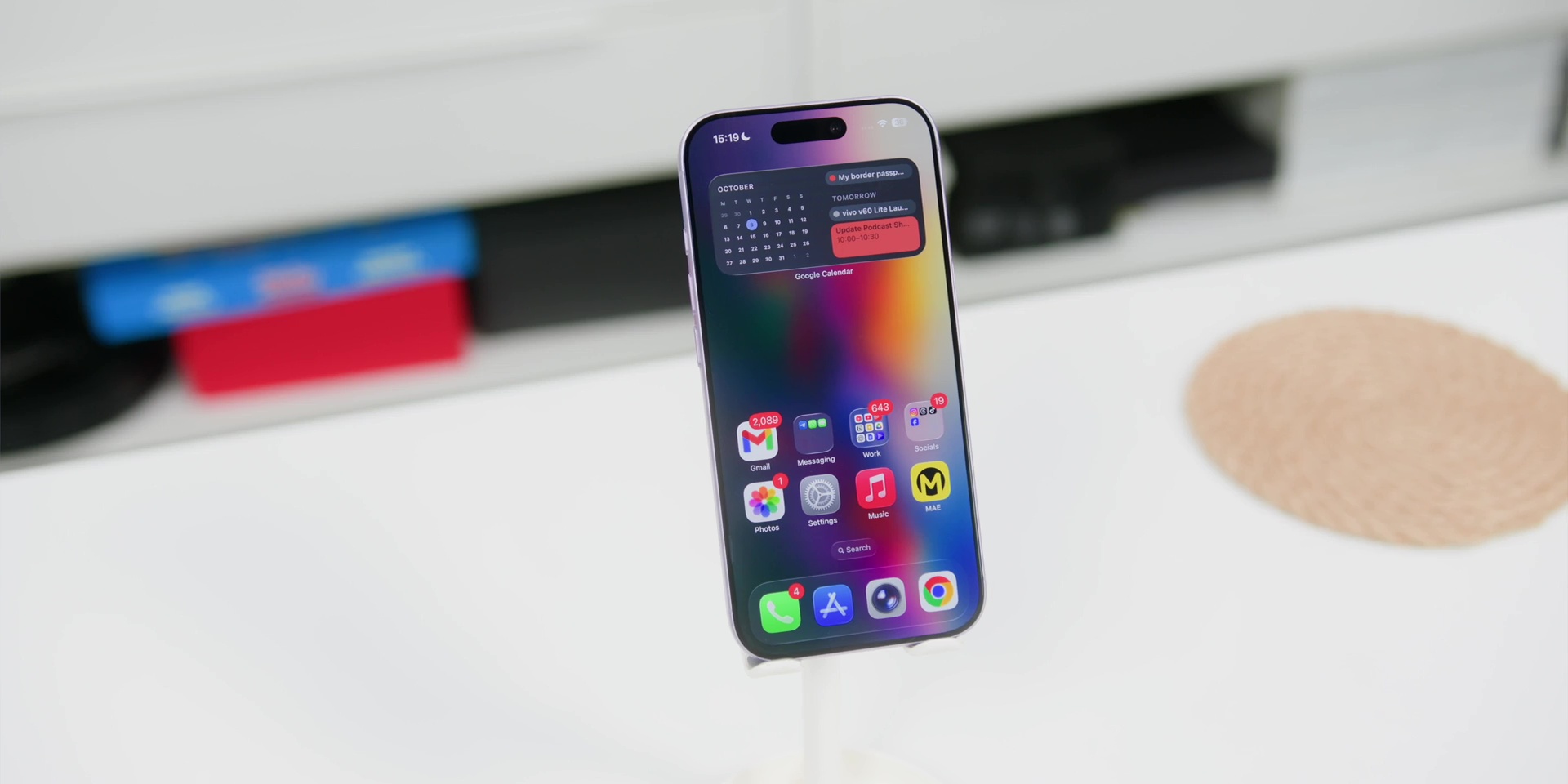
When it comes to the display, for years, you have put up with a 60 Hz display on a base iPhone. So, it feels like you’re paying RM3,999 for “last century’s refresh rate,” like paying for Netflix in VHS quality. But that changes because you’re finally getting ProMotion 120 Hz on a non-Pro iPhone. That means smoother scrolling, faster swipes, and a display that doesn’t feel like it’s stuck in the past.
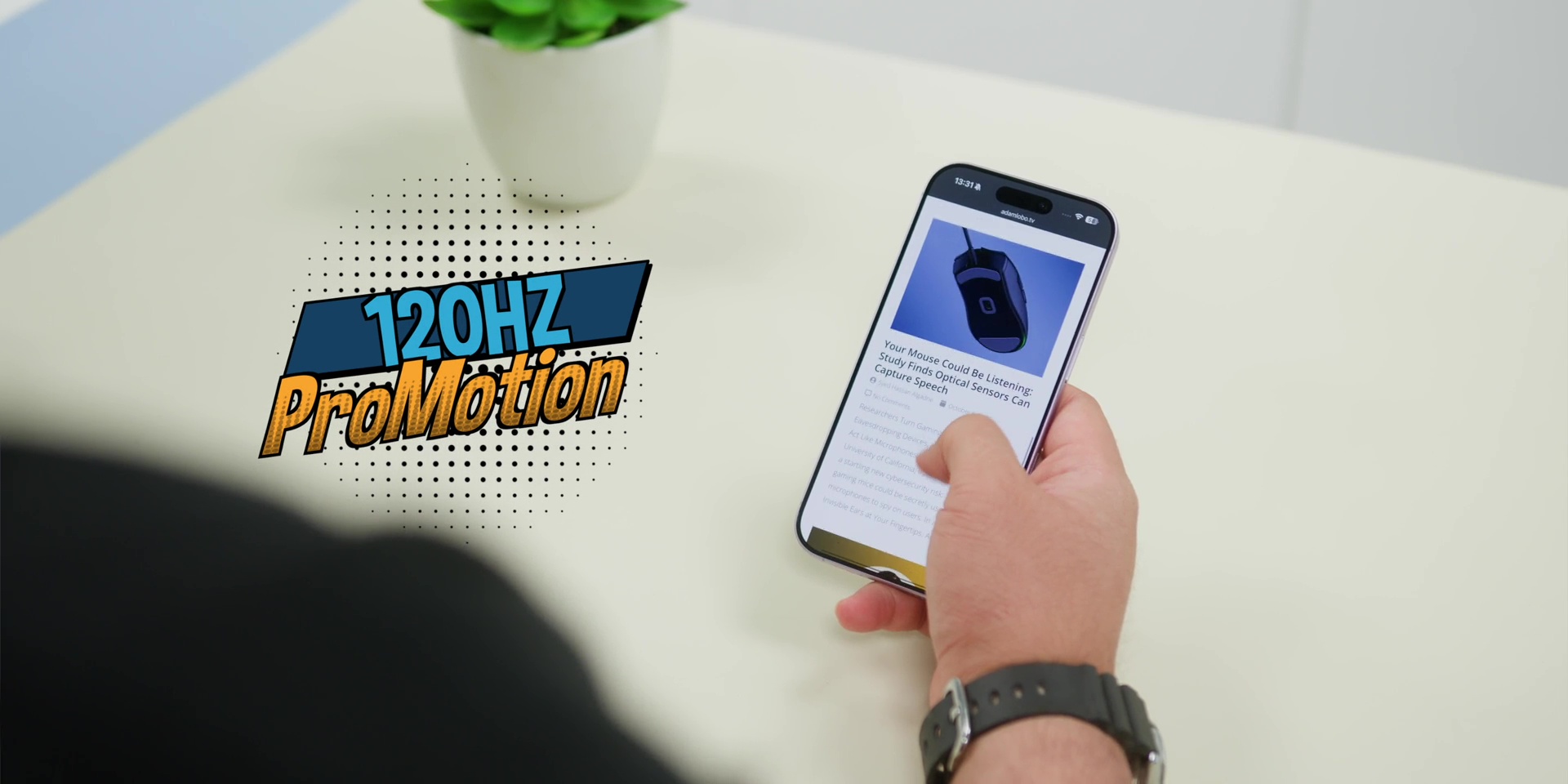
And yes, this decision of having the ProMotion display on a base iPhone did surprise all of us because the next step that I would predict is this phone to probably go up to only 90 Hz. But it was nice that it also got the extra refresh rate upgrade, because who would have thought that the name ProMotion would come to a non-Pro iPhone, right?
The screen is bigger, from 6.1 inch to 6.3 inch from last year, with the thinnest bezels ever on a non-Pro iPhone ever. It is also brighter, up to 3,000 nits, which is even brighter than last year’s iPhone 16 Pro and the iPhone 16 Pro Max models.
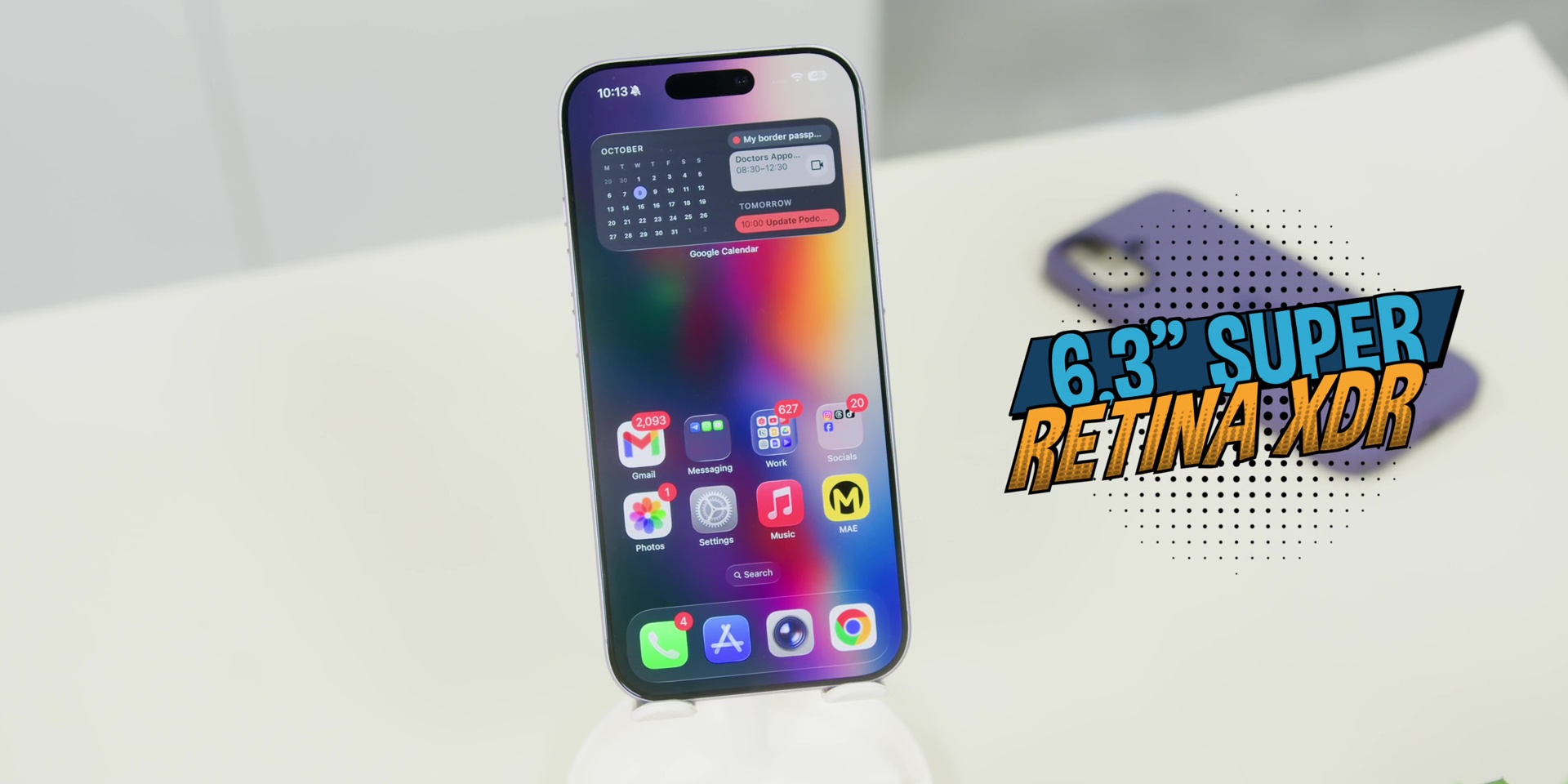
And for the first time, the automatic brightness actually feels right, finally giving a proper rivalry to the likes of the Kings of screens, which is the Samsung smartphone screen. So yes, if you have ever been annoyed with iPhones being too dim outdoors or harsh at night, this new screen fixes that.
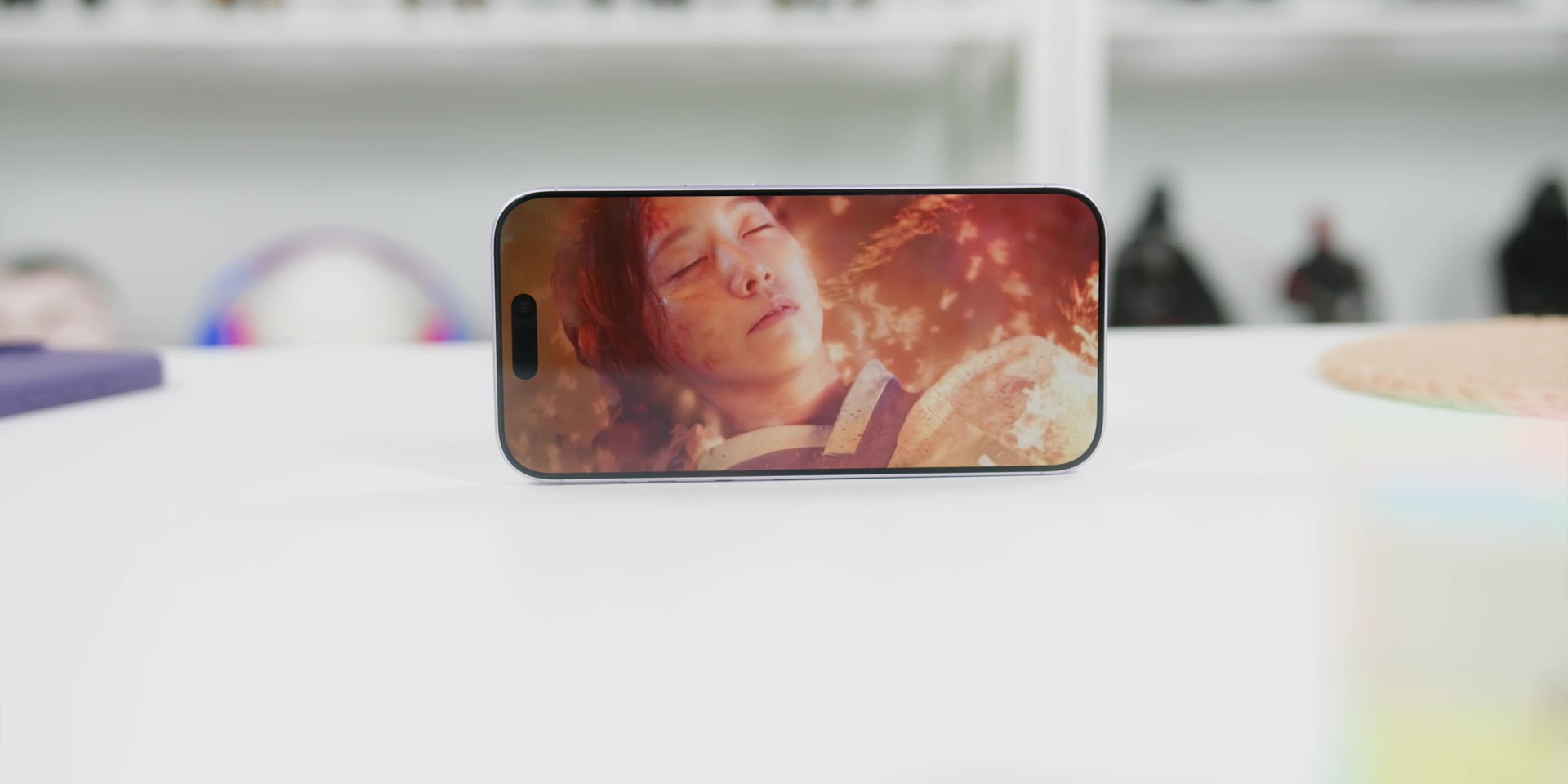
And that’s a value that you can also carry with you too, because it is finally a phone that you can enjoy on a daily use, whether or not it’s scrolling, watching videos, or gaming, without any compromise.
Battery
Speaking of using the phone everyday with this kind of a quality screen, you might be asking how is the battery life, right? Because what’s the point of having a super nice screen if the battery is not so good, right?
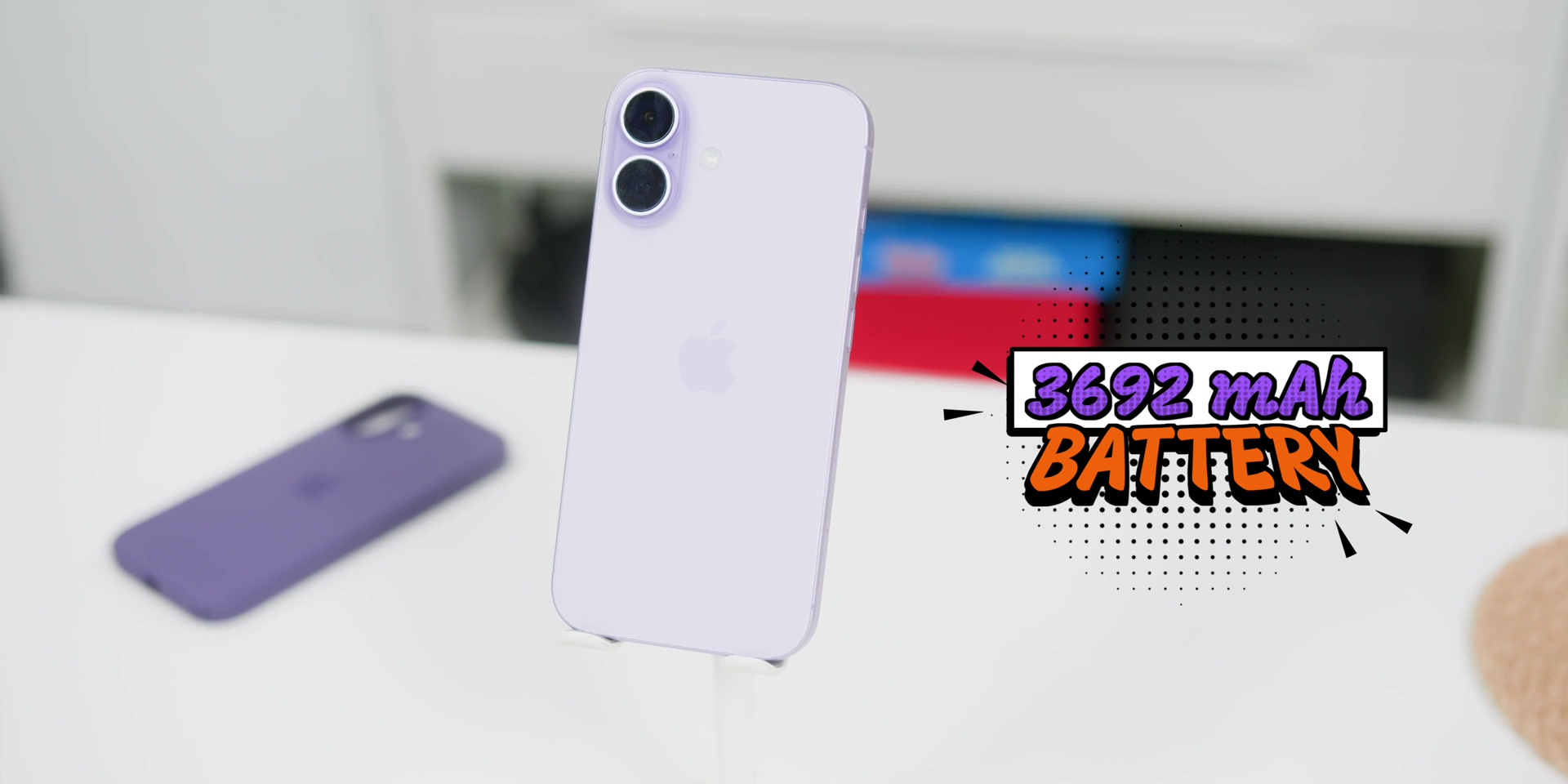
While 3,692 mAh on a phone in 2025 does not sound much, but it is higher than last year’s iPhone 16 Pro at 3,582 mAh. And then you might be thinking 3,692 mAh on this kind of phone still sounds small, right? Yes, when it comes to Android phones, that sounds weak, but then again, you’re using an iPhone, and you know that you are going to be getting a very good screen on time with that.
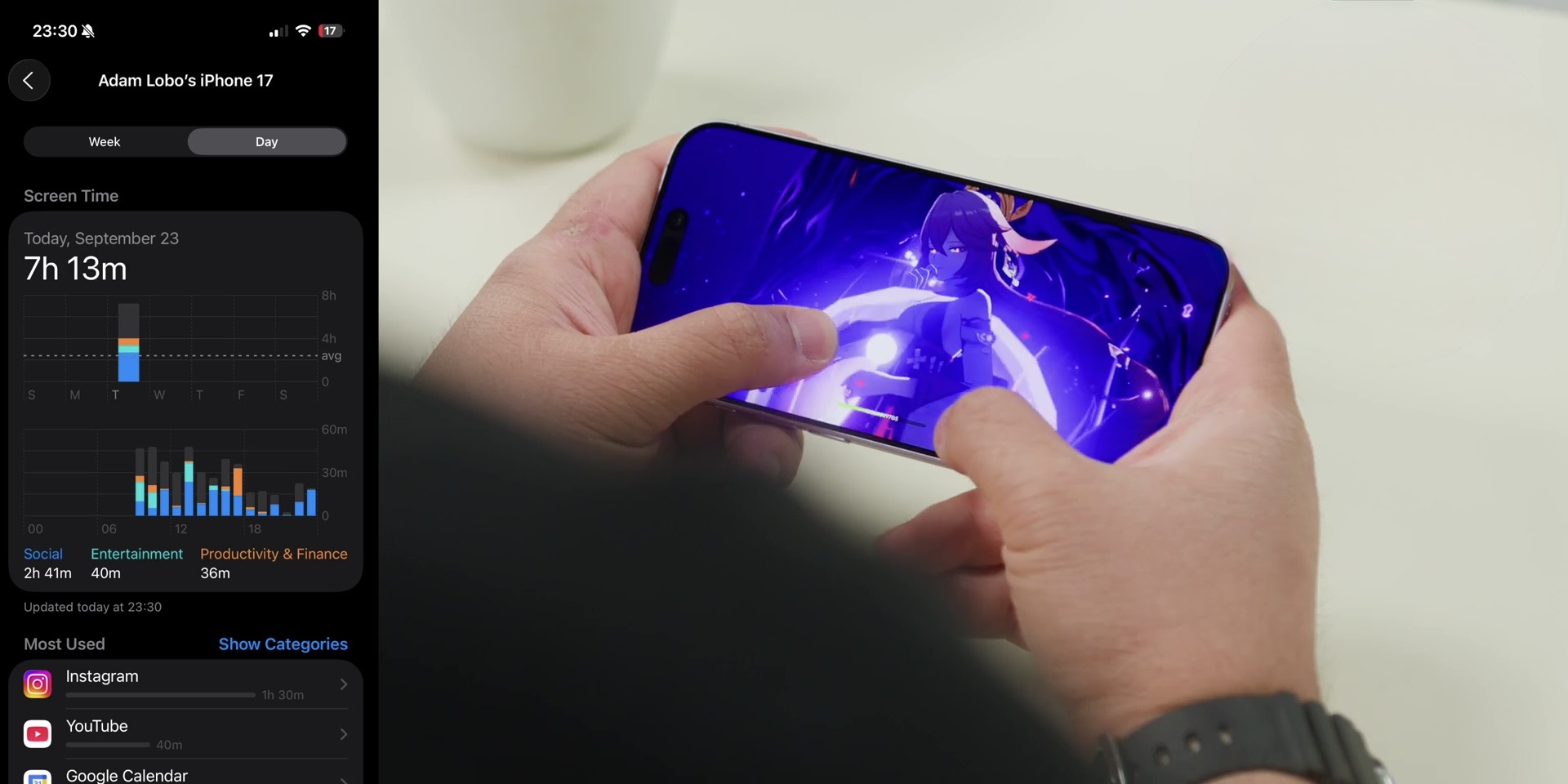
Firstly, the battery drain on this did not start very well because the first percentage got me only about 7 minutes of screen use. But it did better, giving me about 3 hours and 43 minutes at 56% battery, and it gave me a total average of 7 hours and 13 minutes of screen on time with still 17% left. So, that was really nice to know.
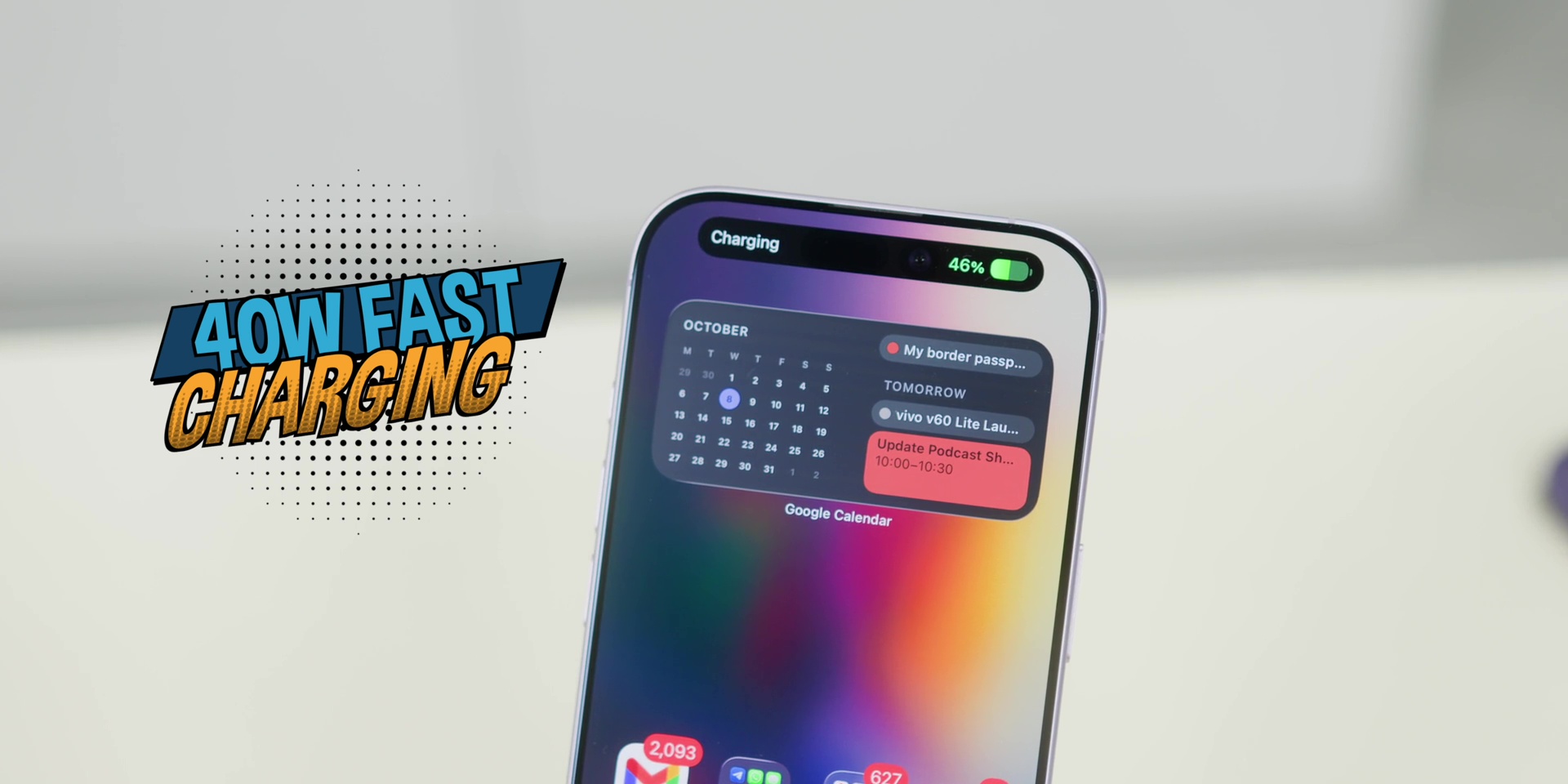
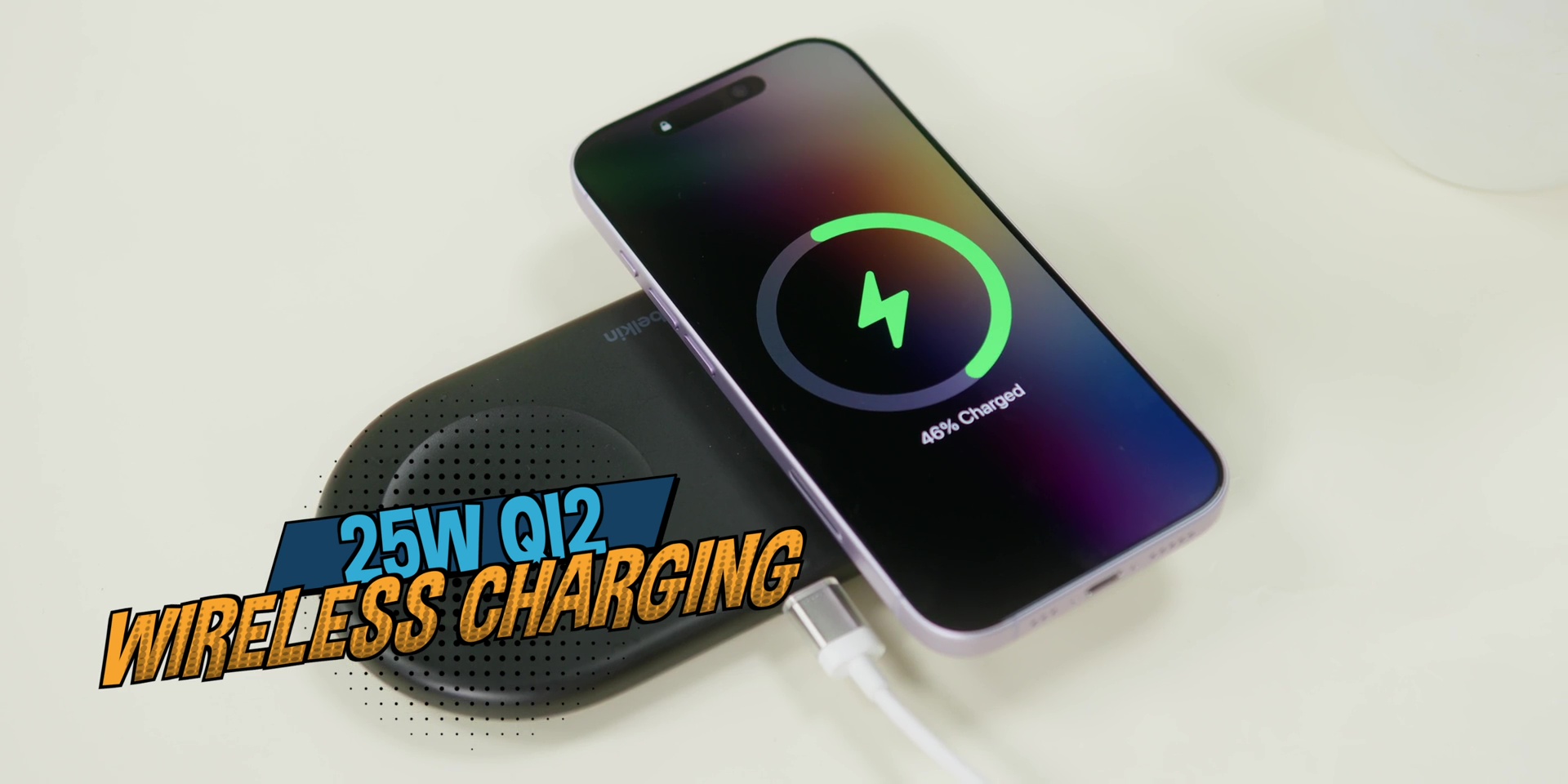
But not only does the battery life last long, but also it has fast charging, which speeds up to 40W with Apple’s new Dynamic Power Adapter, which is not available in Malaysia yet, which you can charge from 0 to 50% in just 20 minutes. So, I hope to try that when it’s out here in Malaysia. There’s also 25W Qi2 wireless charging, matching the same as the iPhone 17 Pro and even the iPhone 17 Pro Max as well.
Performance
So, if the battery is really good, how about the performance of using this phone daily? Well, your biggest worry might be overheating since it does not have the vapor chamber cooling that the Pro models do. But think about it, the previous iPhones never had one either, and you were fine with that. And here’s the proof: daily use stays smooth.
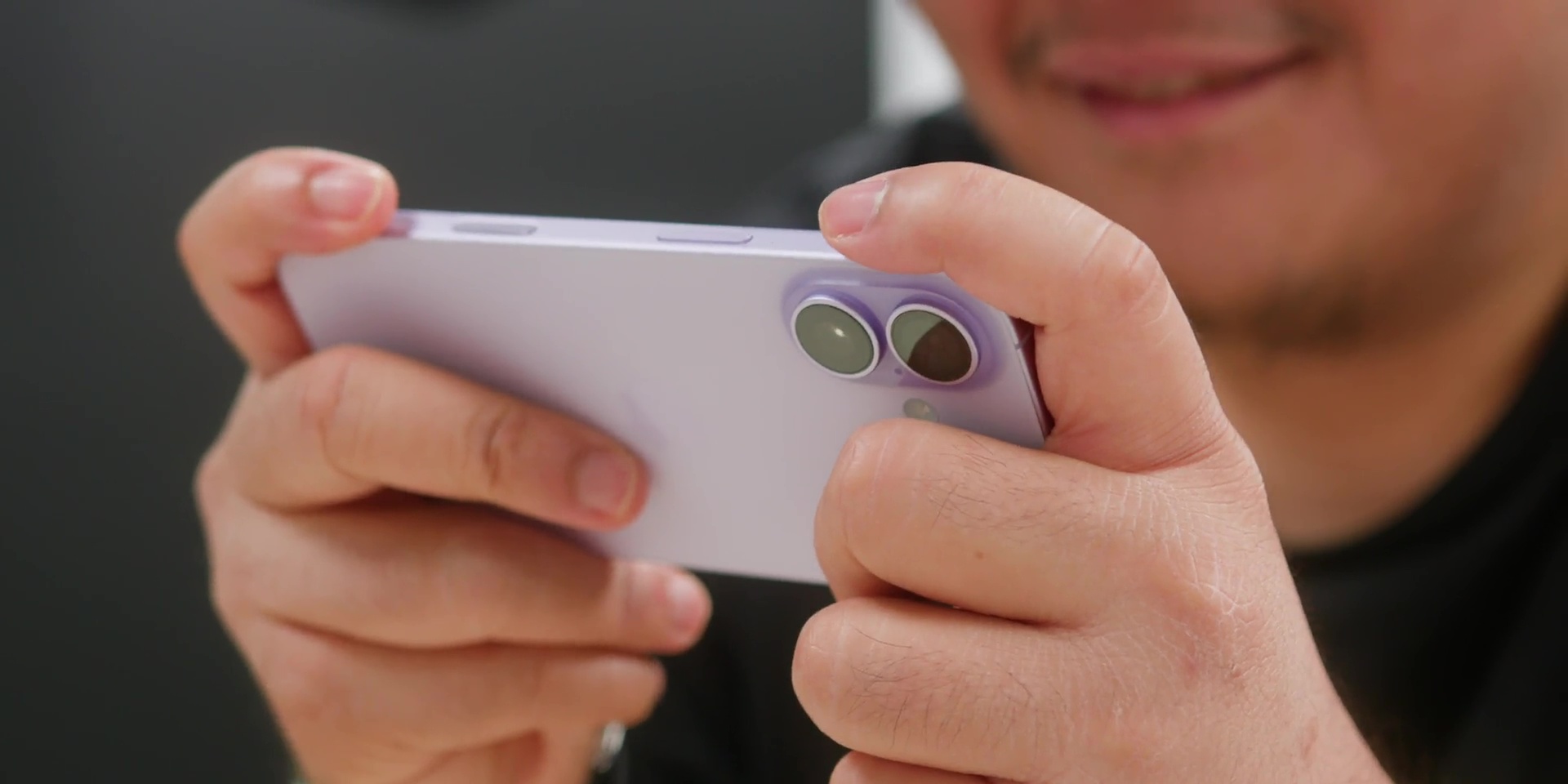
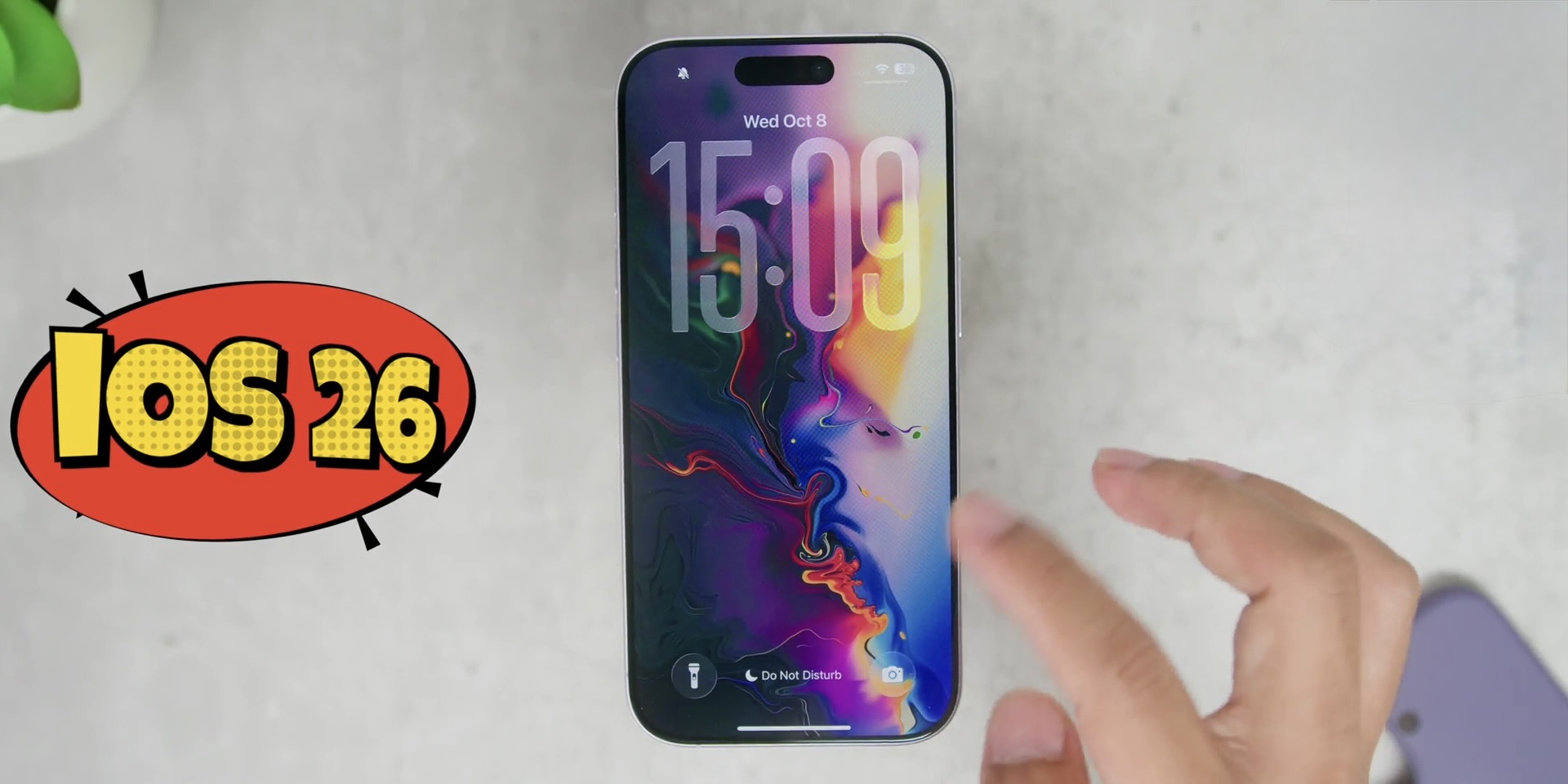
Whether you’re loading apps, editing photos, or even multitasking, the new iOS 26 keeps everything fluid, unlike the buggy beta versions that you might hear a lot of complaints about. And that’s why I always stick to the release version, which keeps my phone problem-free, and you should do too.
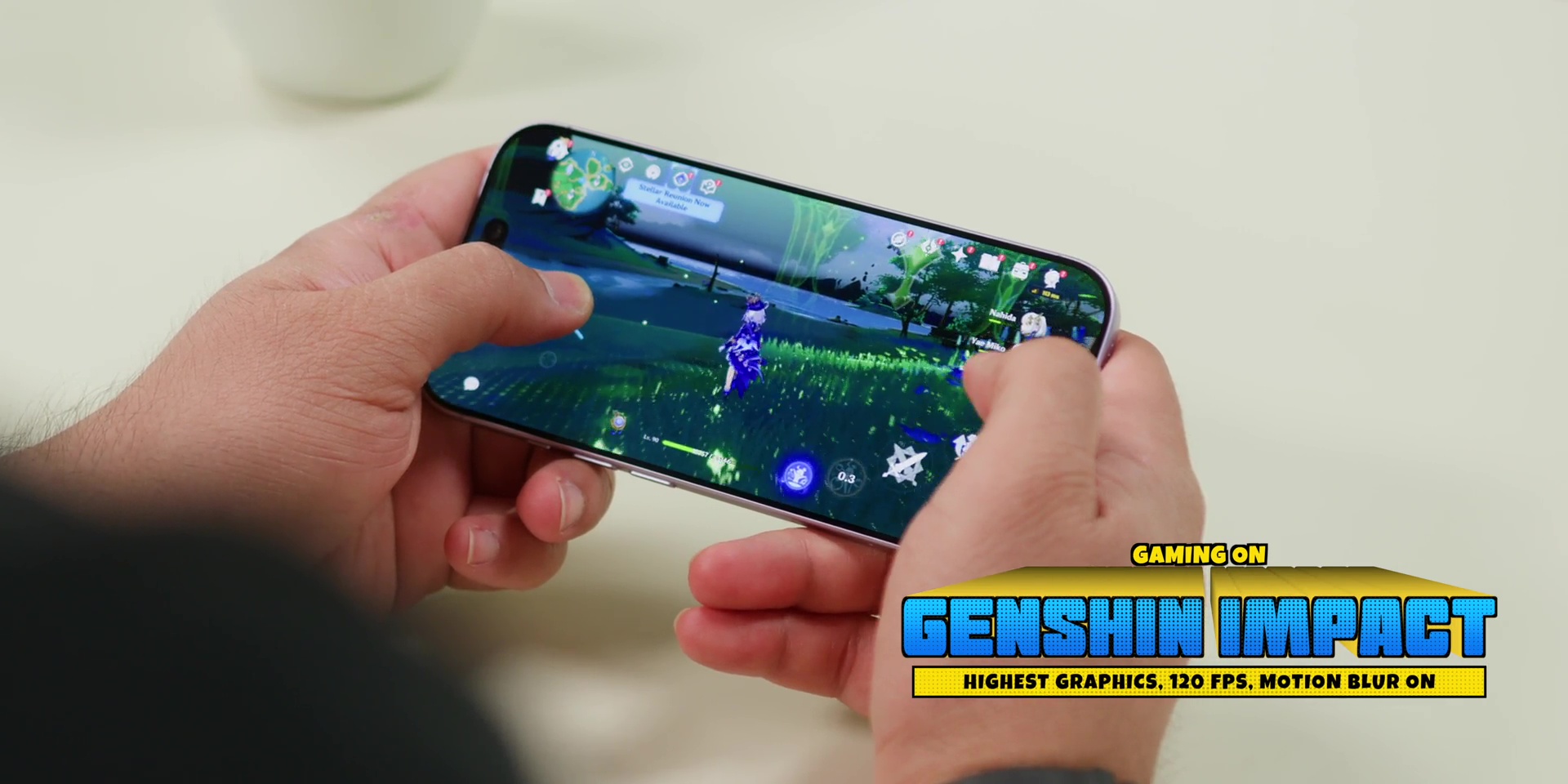
Even when it comes to gaming, you don’t lose out at all, because you can push Genshin Impact to its higher settings, and it also runs smoothly.
And you can use new features like the Dual Capture mode, which can record both the front and the rear screen at the same time, which is perfect for stories and vlogs.
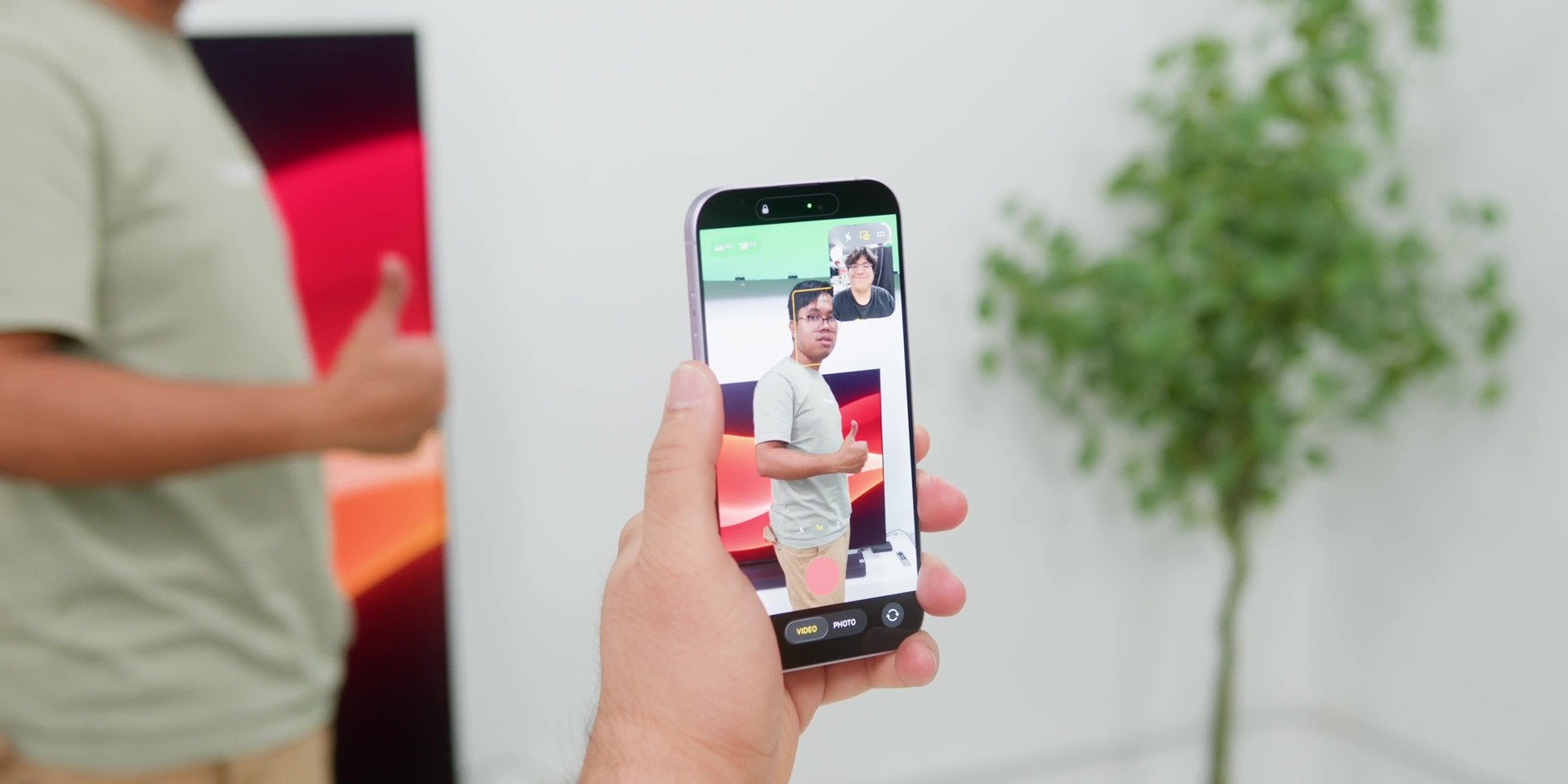
But the only catch as of now is the long FaceTime calls at around 30 minutes straight, because it does make the phone a little warmer compared to just using the phone daily. So hopefully a software update can fix that.
So the value here is simple: You’re getting a phone that feels stable and fast without paying the Pro price tag.
Cameras
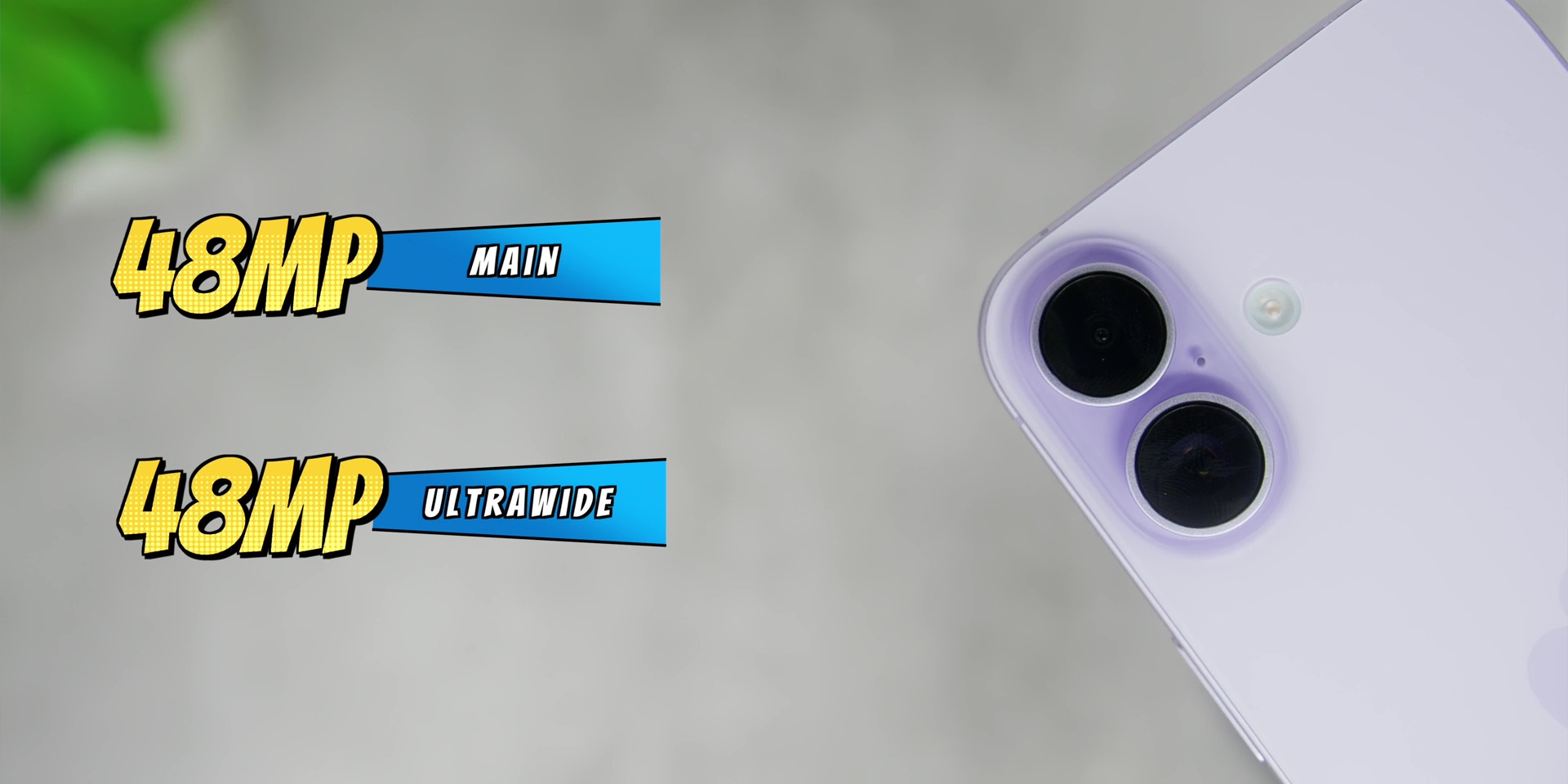
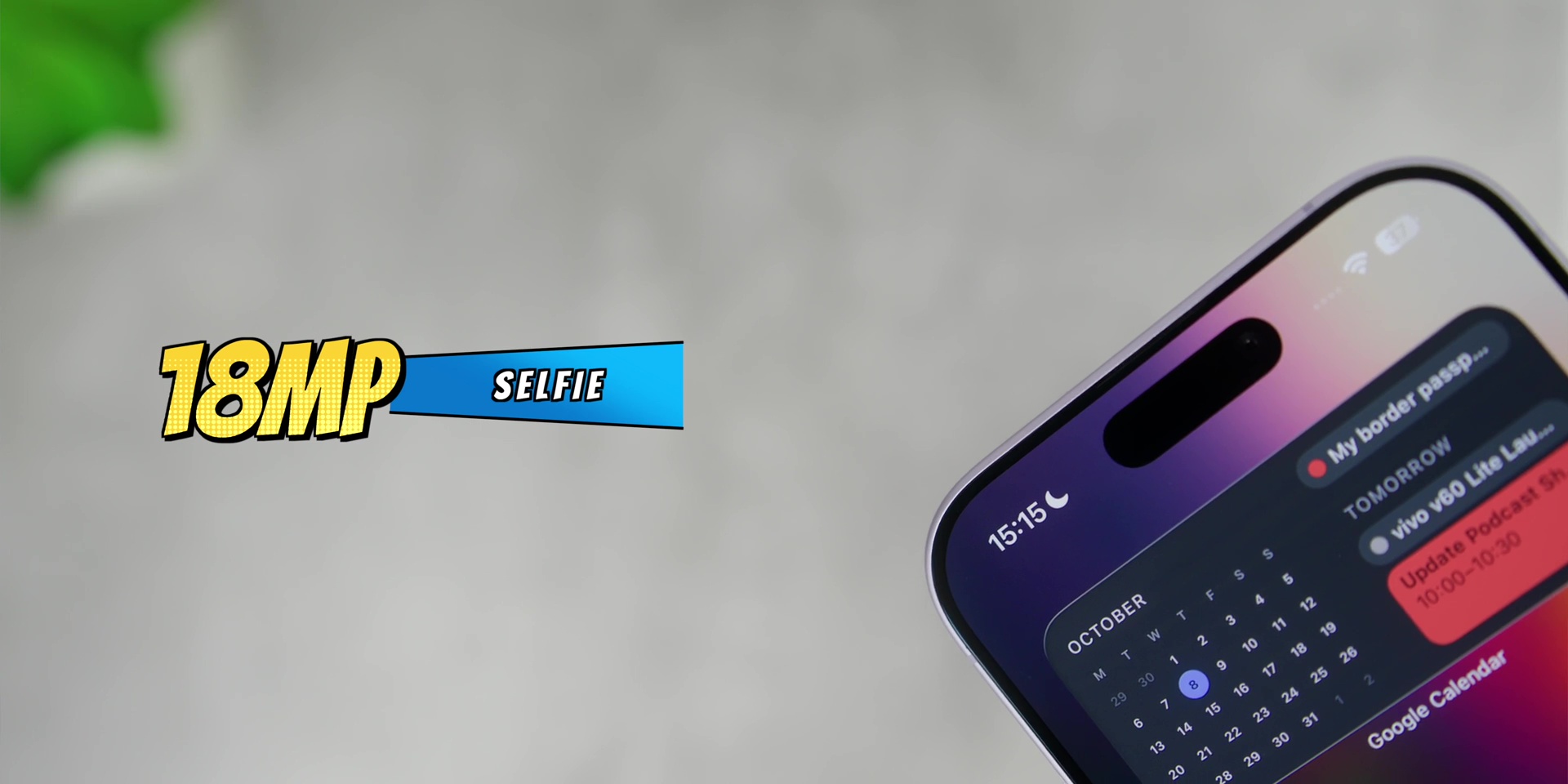
But if performance sounds good to you, wait till you see what Apple has done with their cameras, because that is where this phone truly surprises. Starting from the specs, what’s improved is the ultrawide has the upgraded 48 MP lens too. So, both the main and the ultrawide lenses have the same 48 MP value, and the front camera has a new square sensor, which is an 18 MP value. And more on this new square sensor later on.
Ultrawide Lens
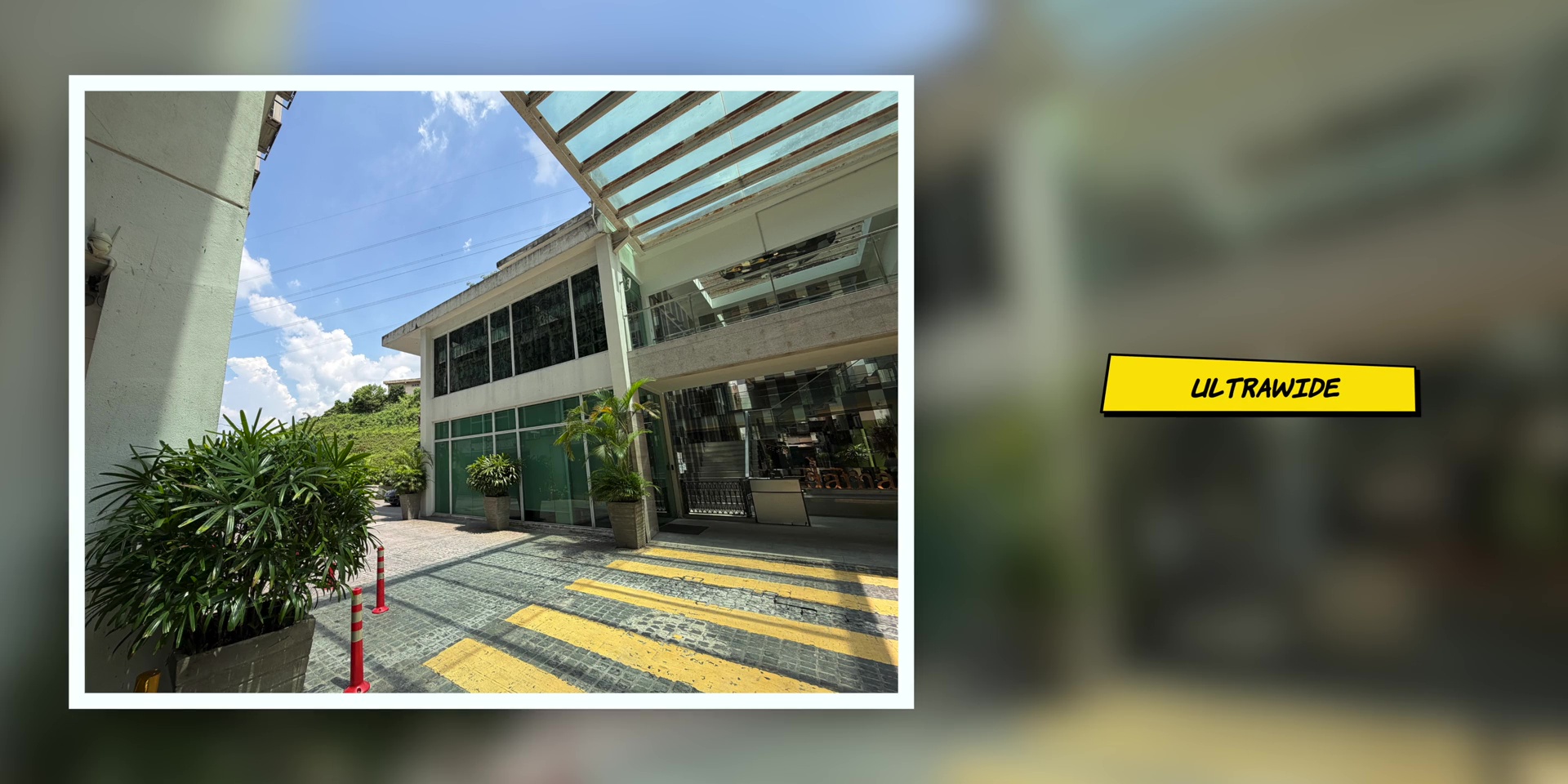
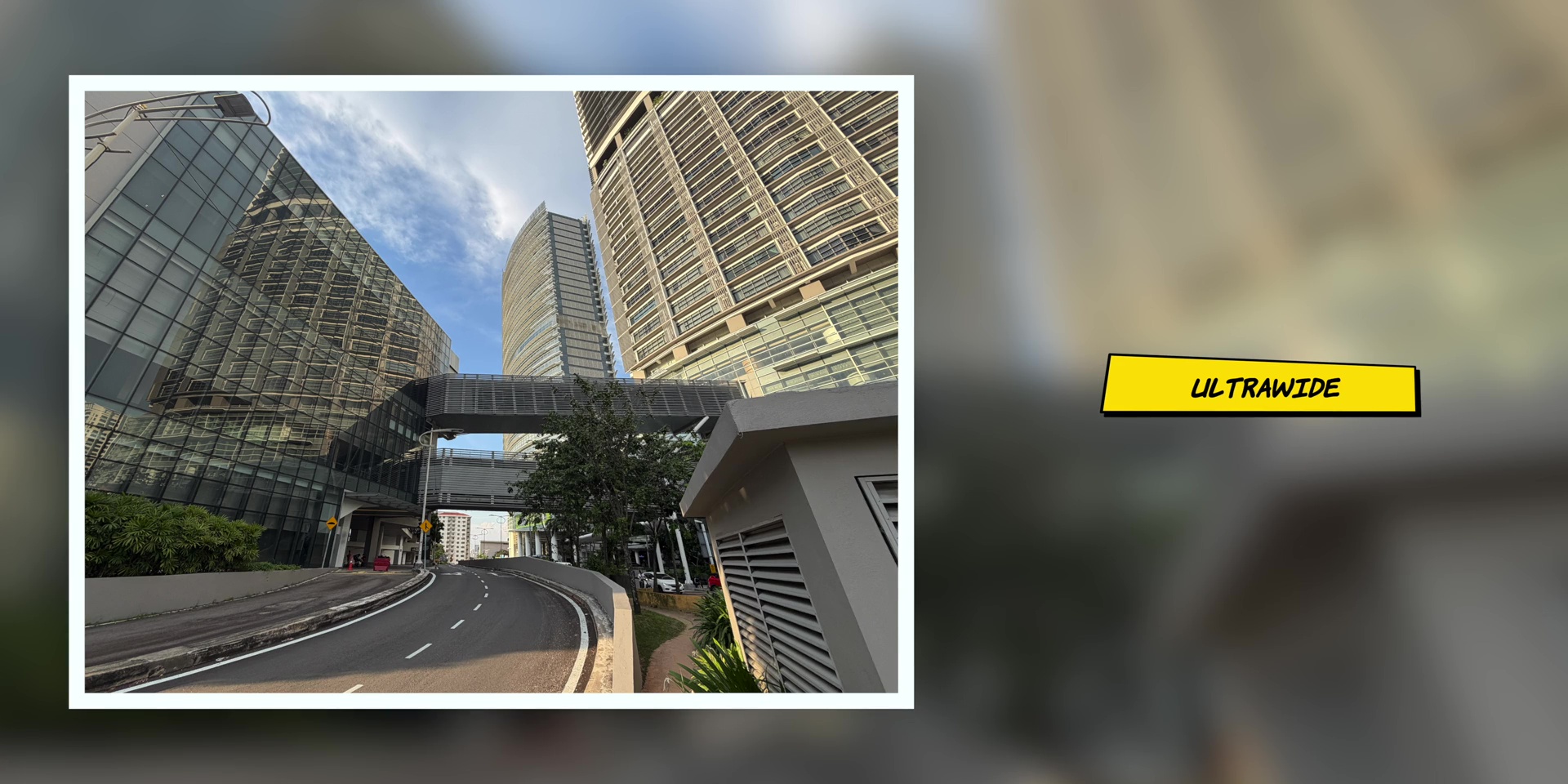
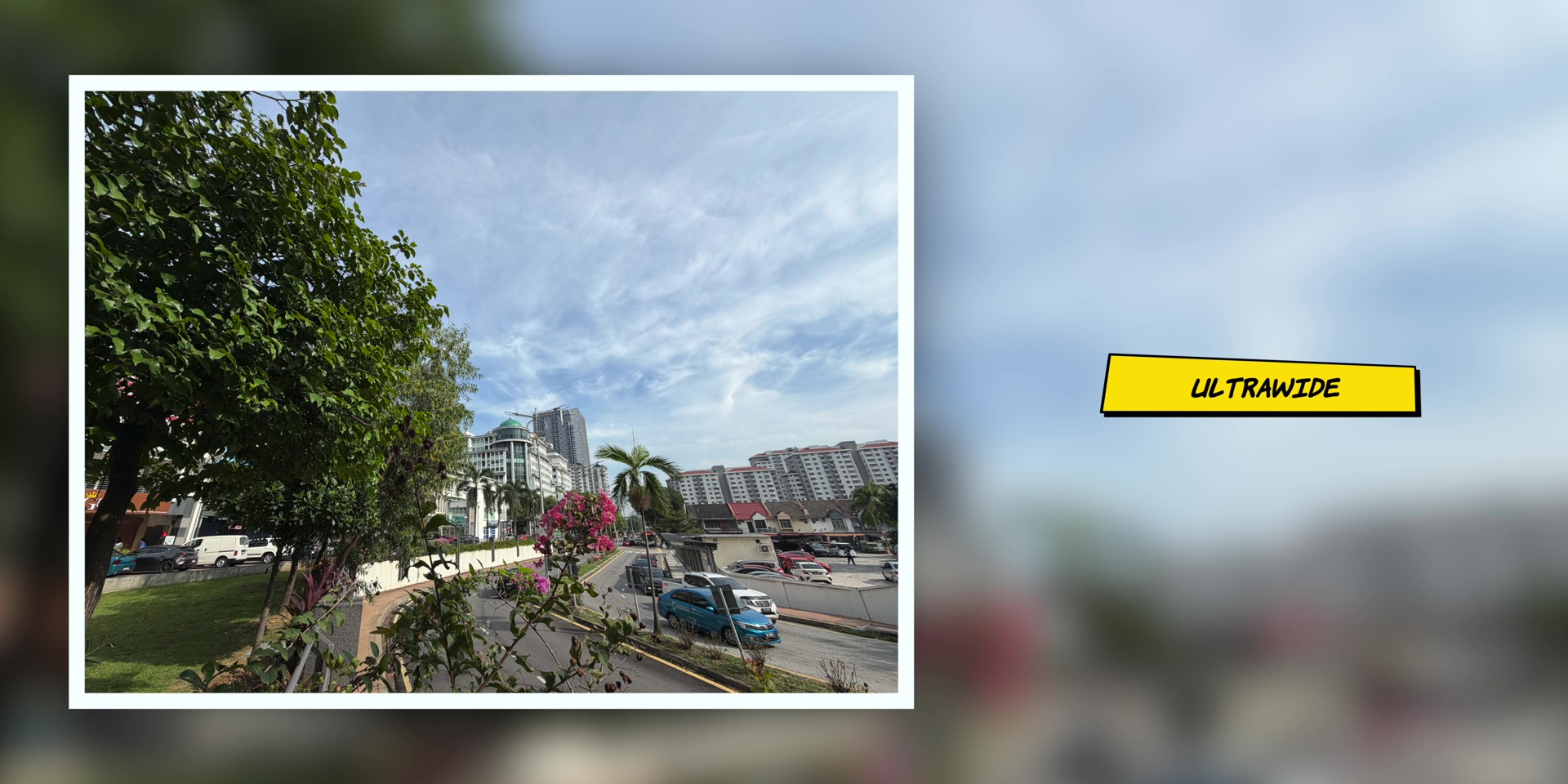
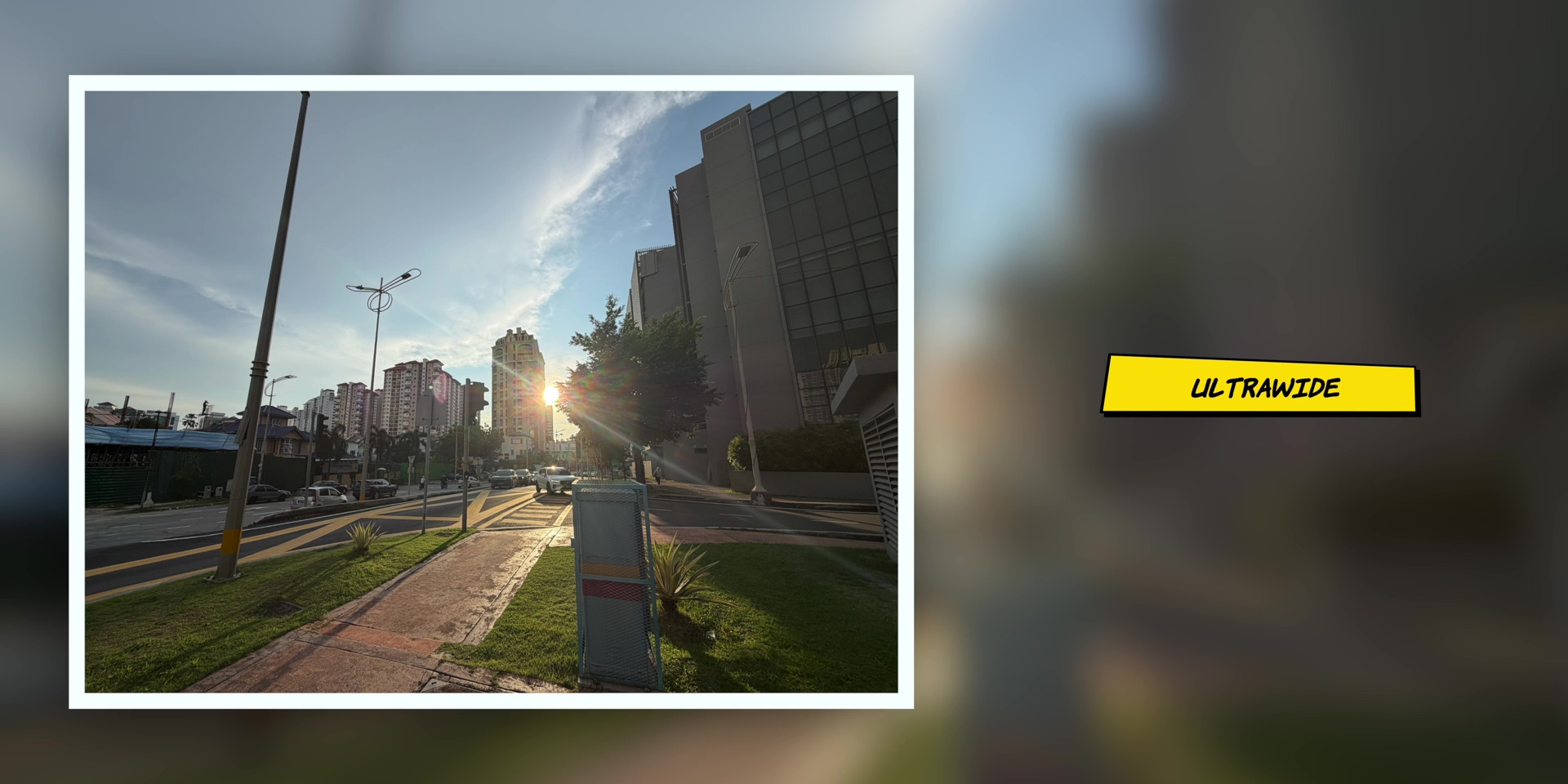
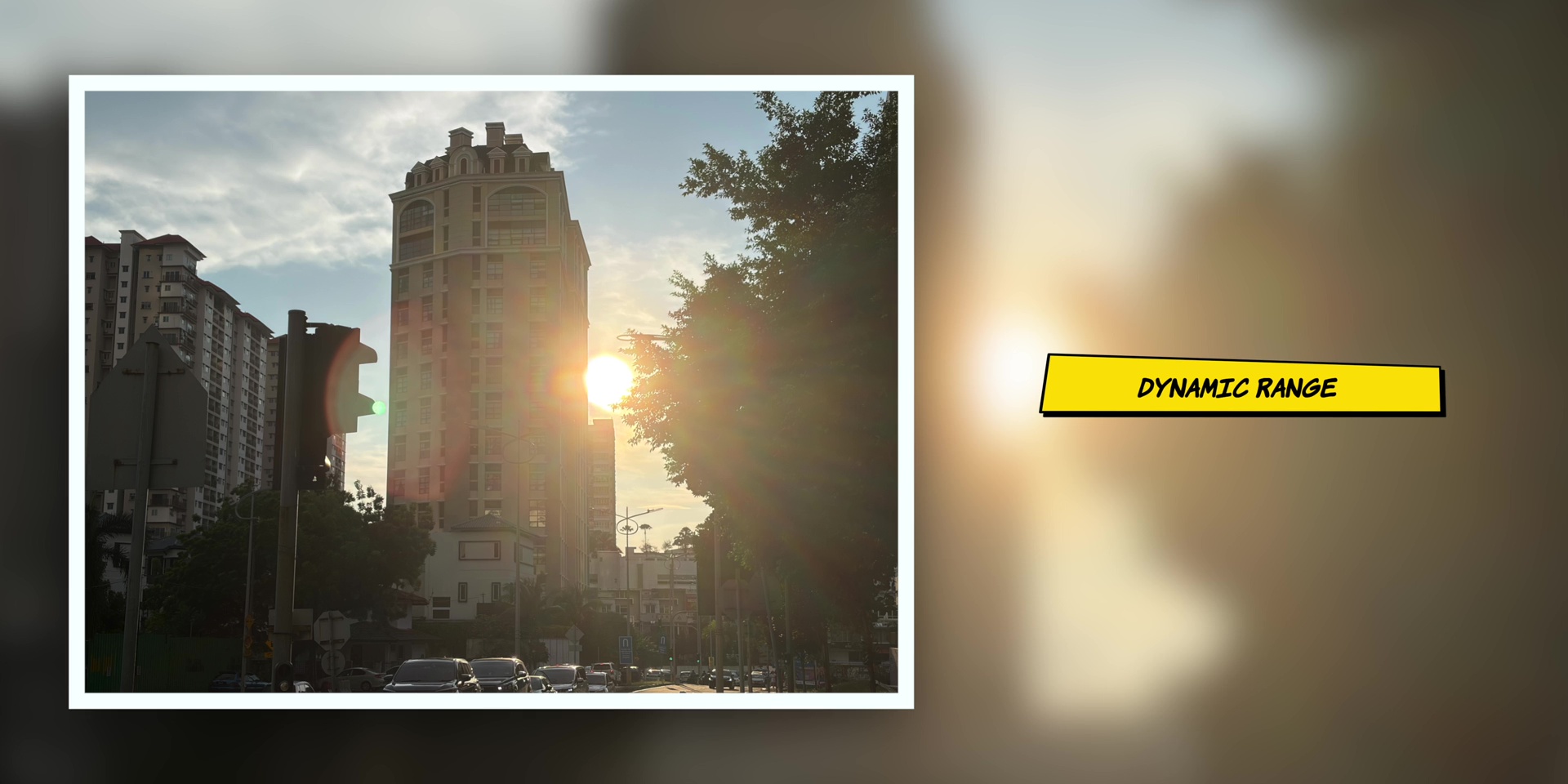
Starting from the ultrawide lenses, the new lens did produce some quality images with just the right focal length. The dynamic range was also really good as seen in this particular picture where I took this picture directly at the sun, and still the image was still very visible.
Main Lens
And of course, the main lenses perform very well too. This iPhone 17 can zoom up to 10x, not the highest compared to others, but it is nice that Apple is keeping things modest because what’s the point of having a high zoom value when it’s not that good.
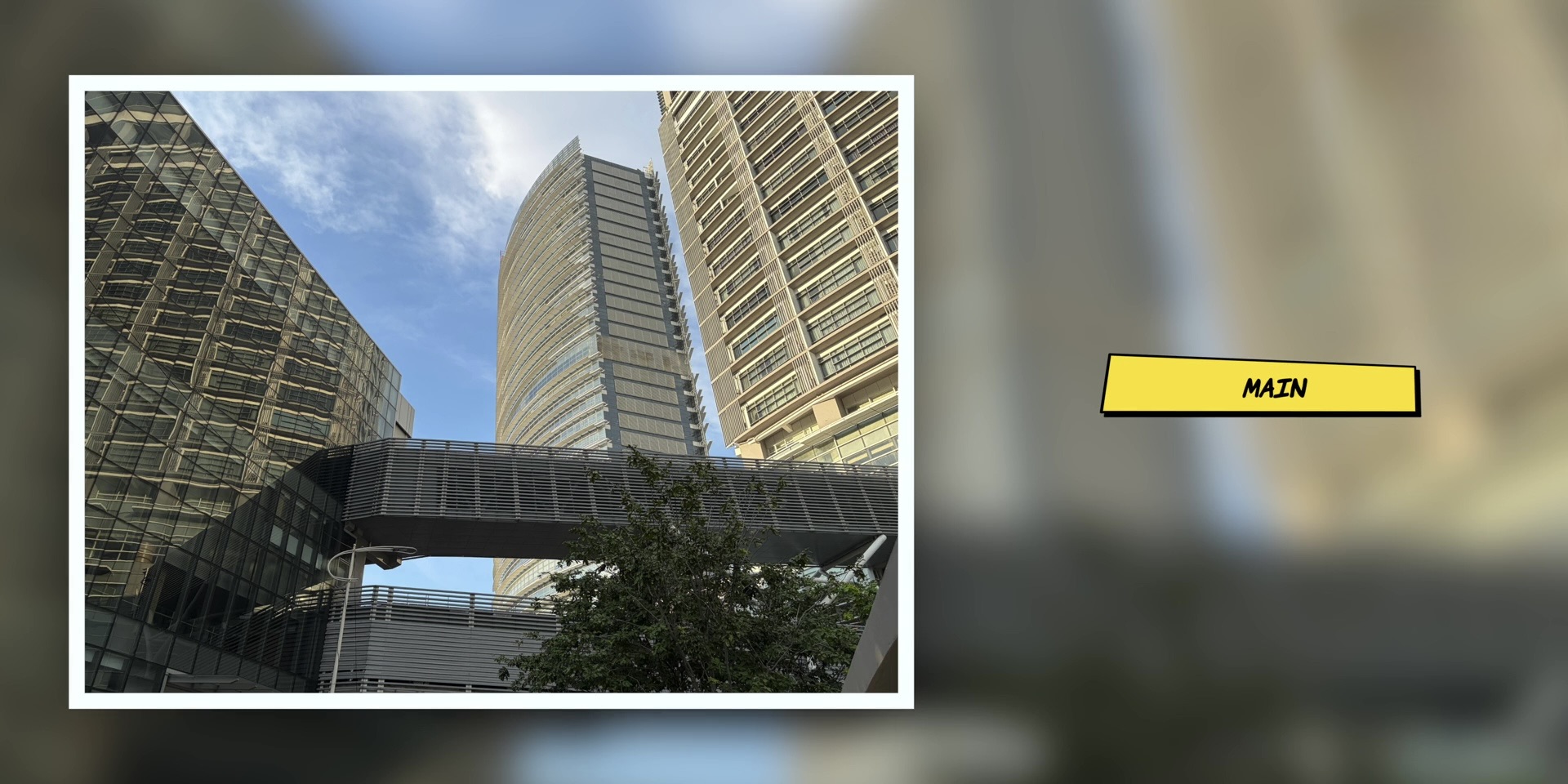
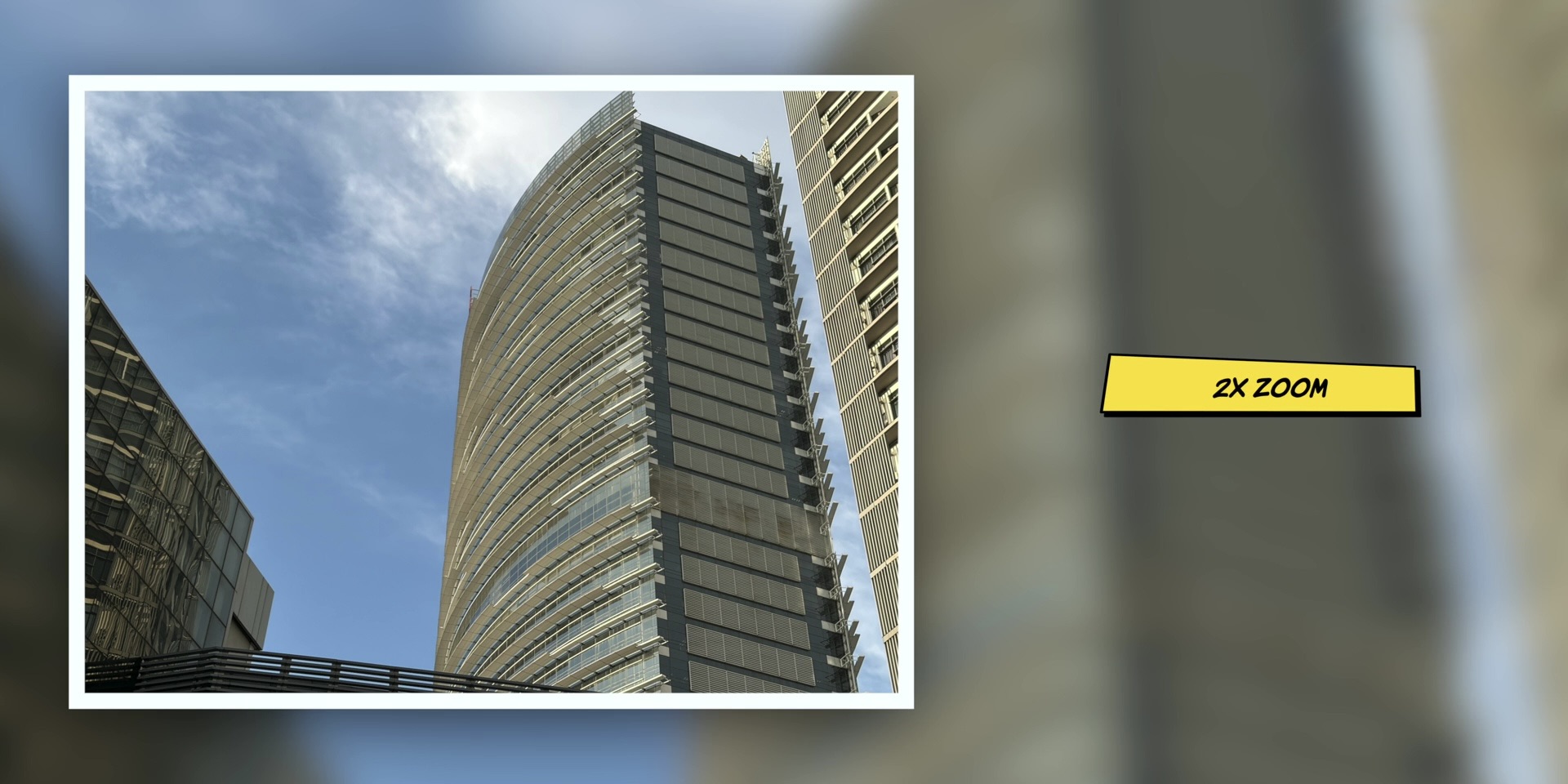
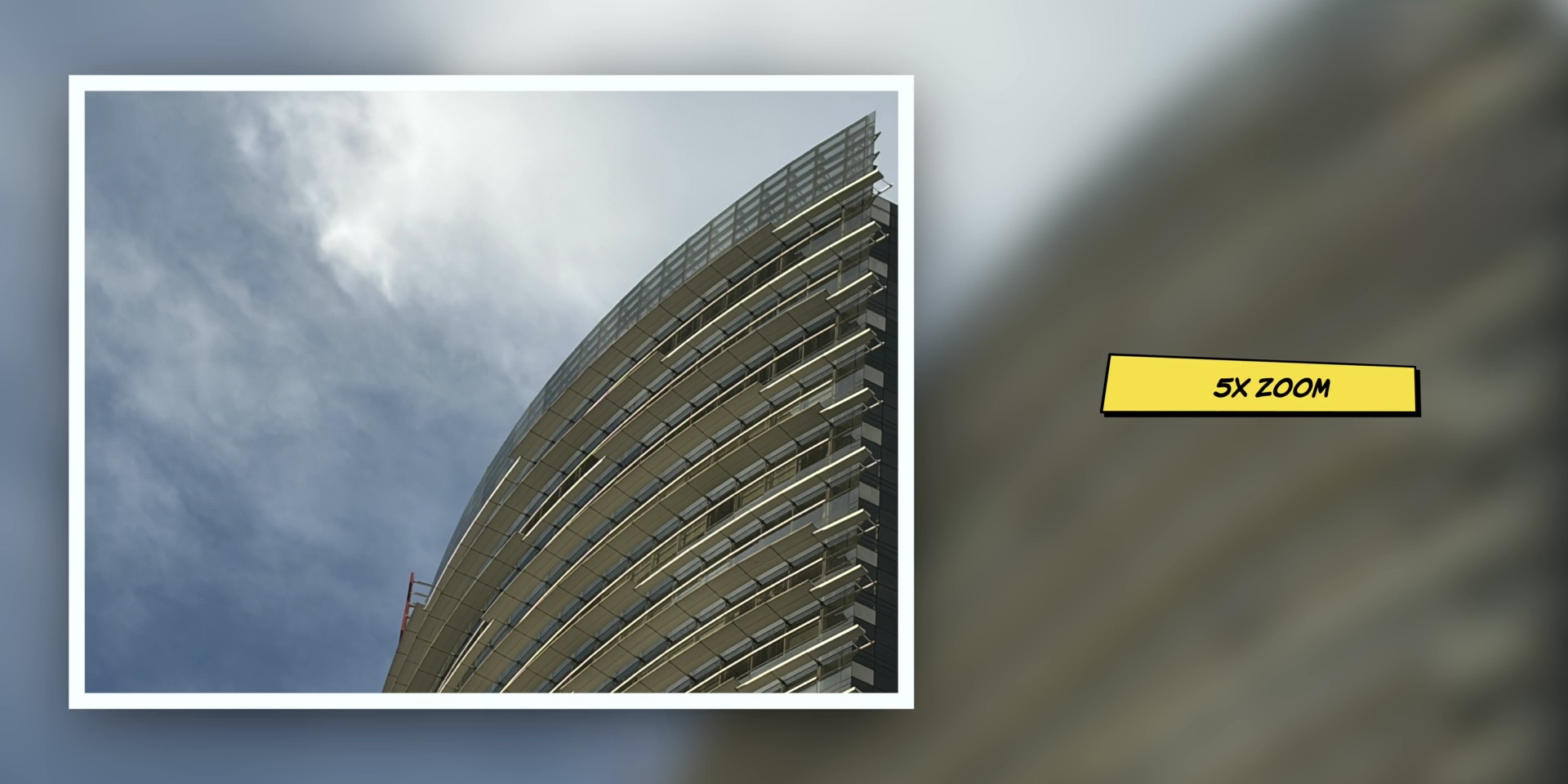
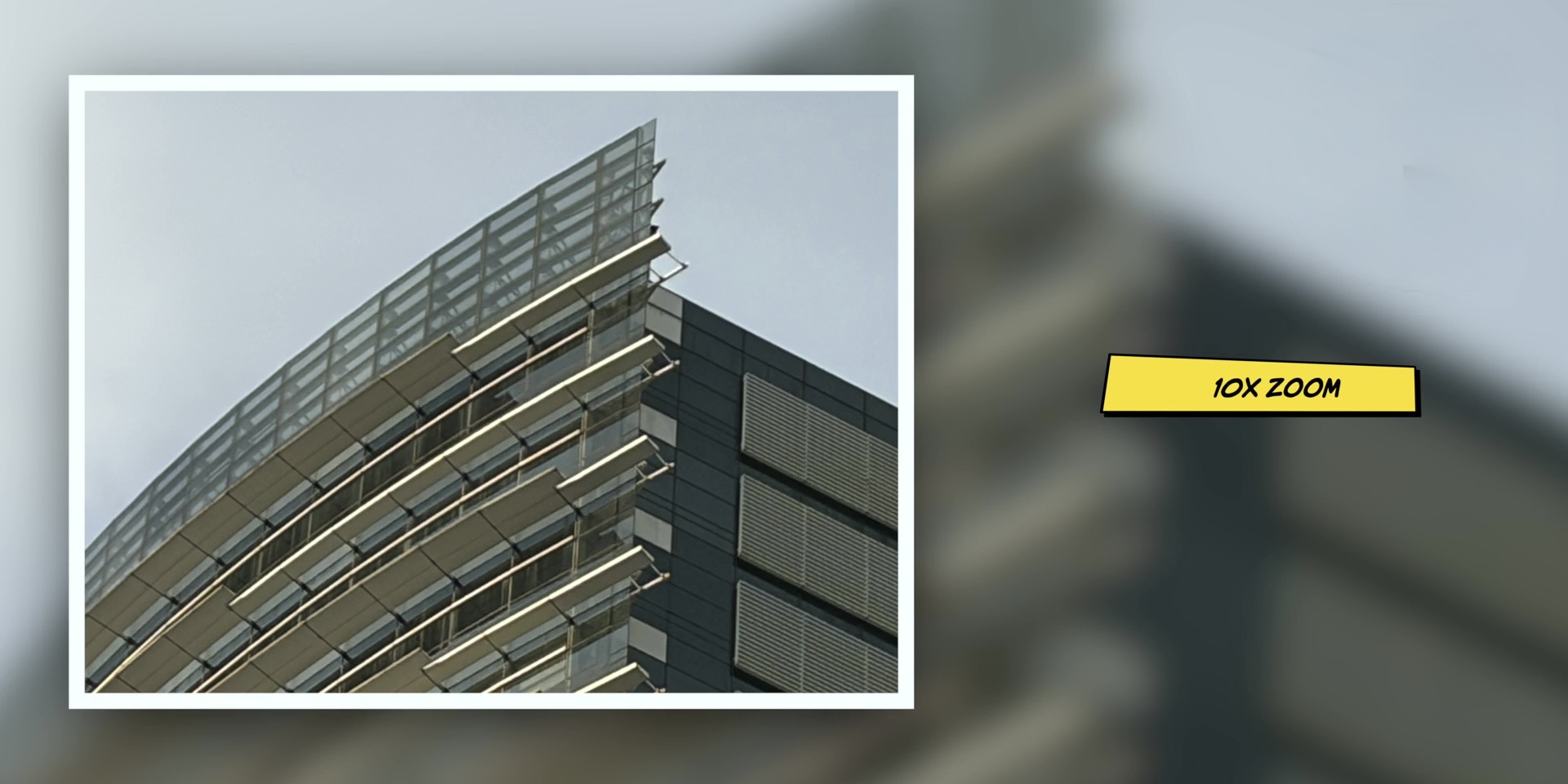
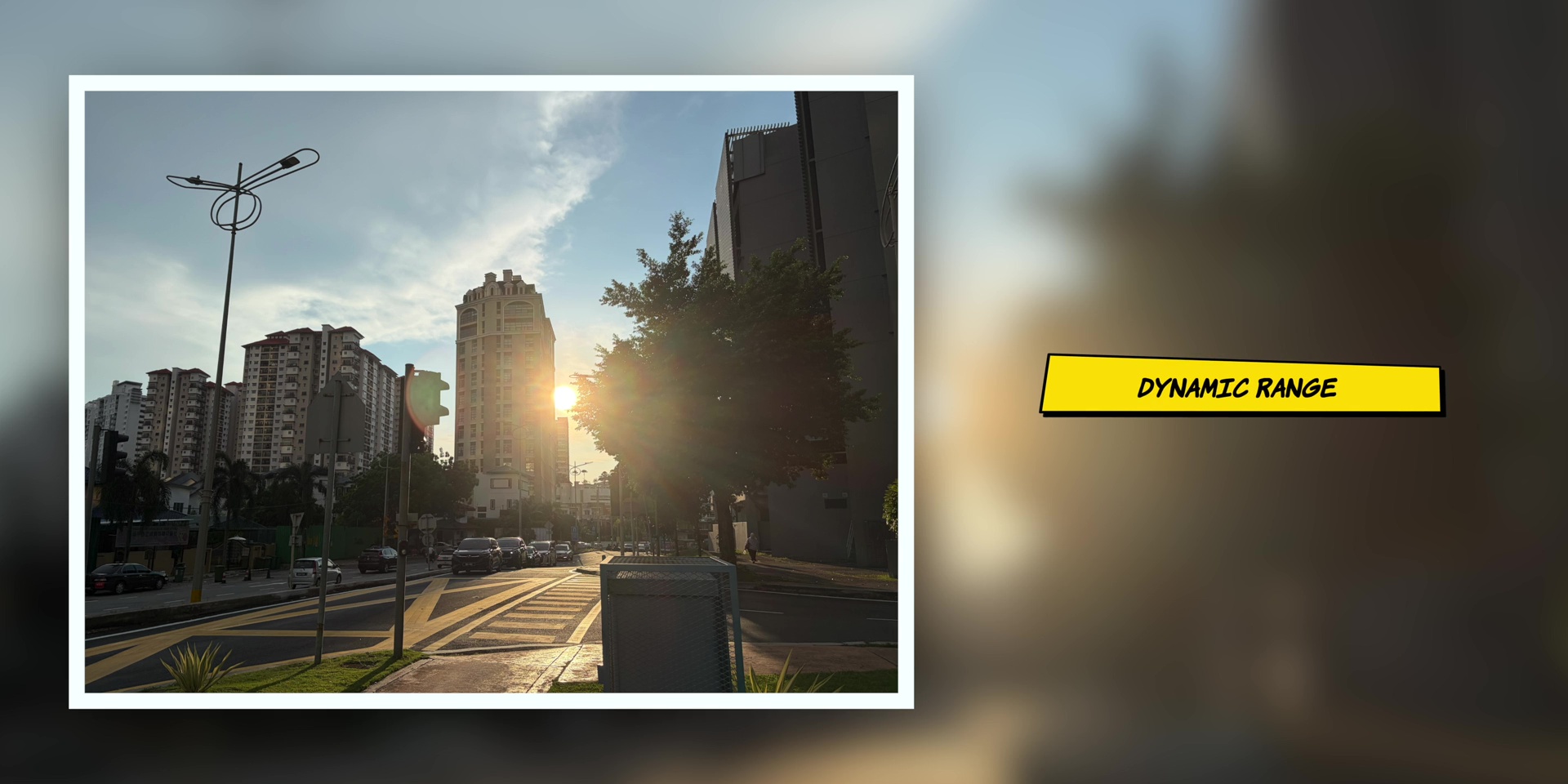
The dynamic range also was really great at 1x or even 2x as well, shown in this particular sample photo shot against the sun. So, if you’re using these main lenses, you’re all set.
Portrait & Macro Mode
Then Portrait mode for humans was flawless with up to 2x mode, and it performed great also for complicated objects as well.




Because the ultrawide lenses are upgraded, this phone also has the Macro mode photos too, which also look great, as you can see over here.


Selfie
The upgraded 18 MP square sensor lets you take ultrawide selfies, which can be done automatically when it sees more than one person, or you can do it manually in the camera app as well. And holy moly, this was really wide!
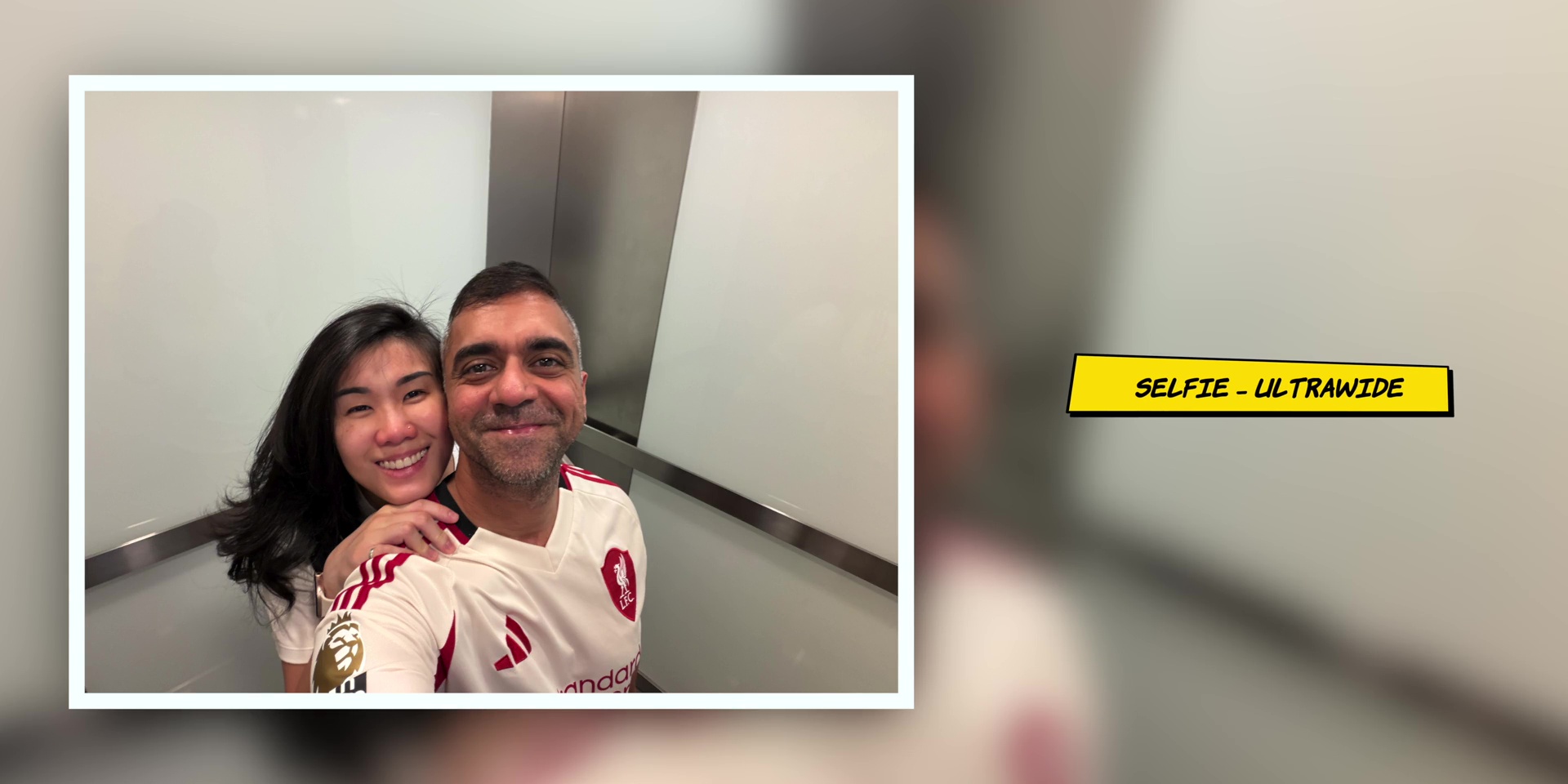
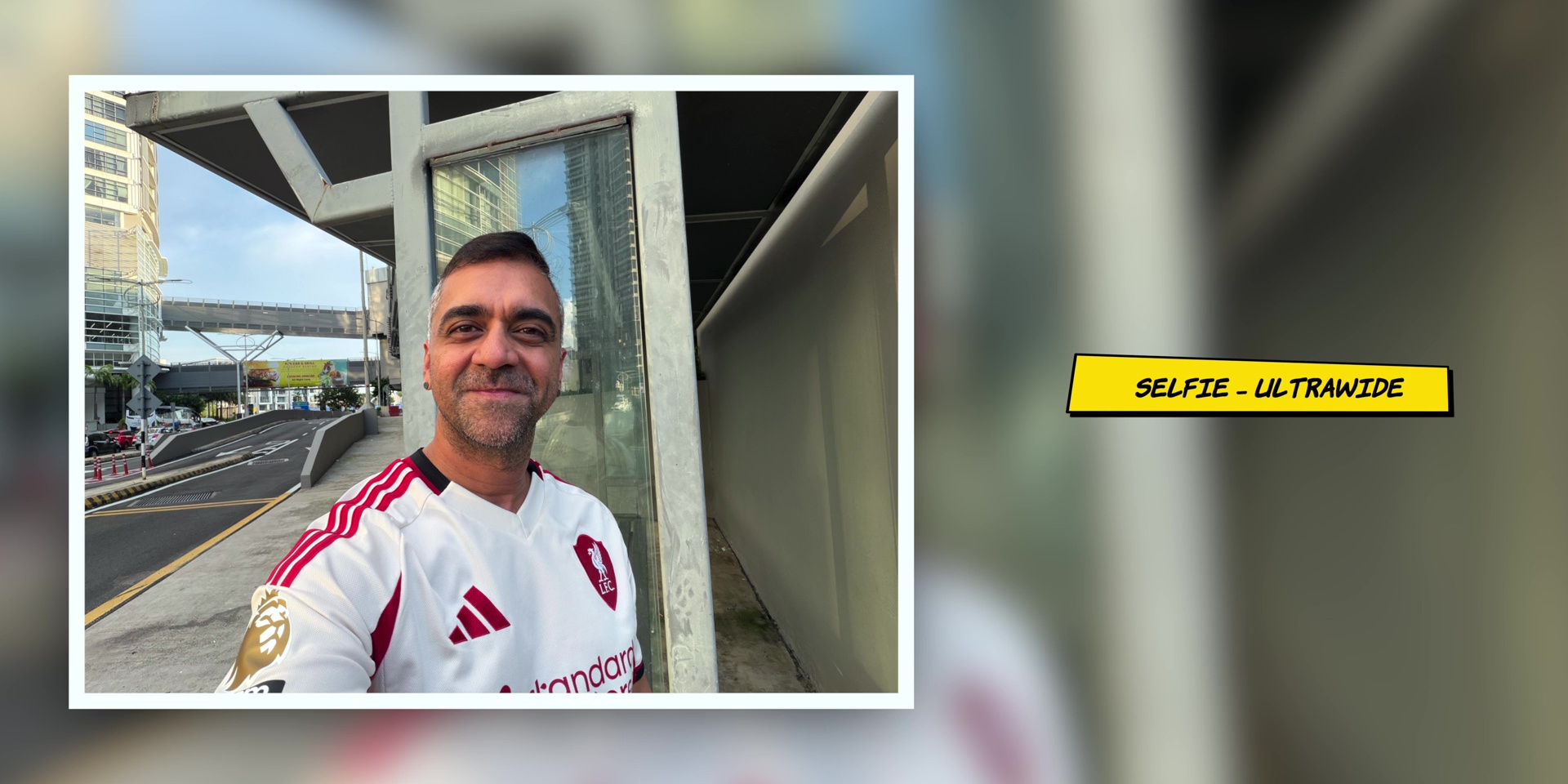
But there are two caveats to this. Firstly, the fact that you cannot do selfie portrait mode in this wide-angle selfie mode because it would be nice if it could. So, hopefully a software update could do this in the future, because the portrait selfie during the day was superb on this phone. Amazing skin tones, dynamic range, and edge detection was also really good too.

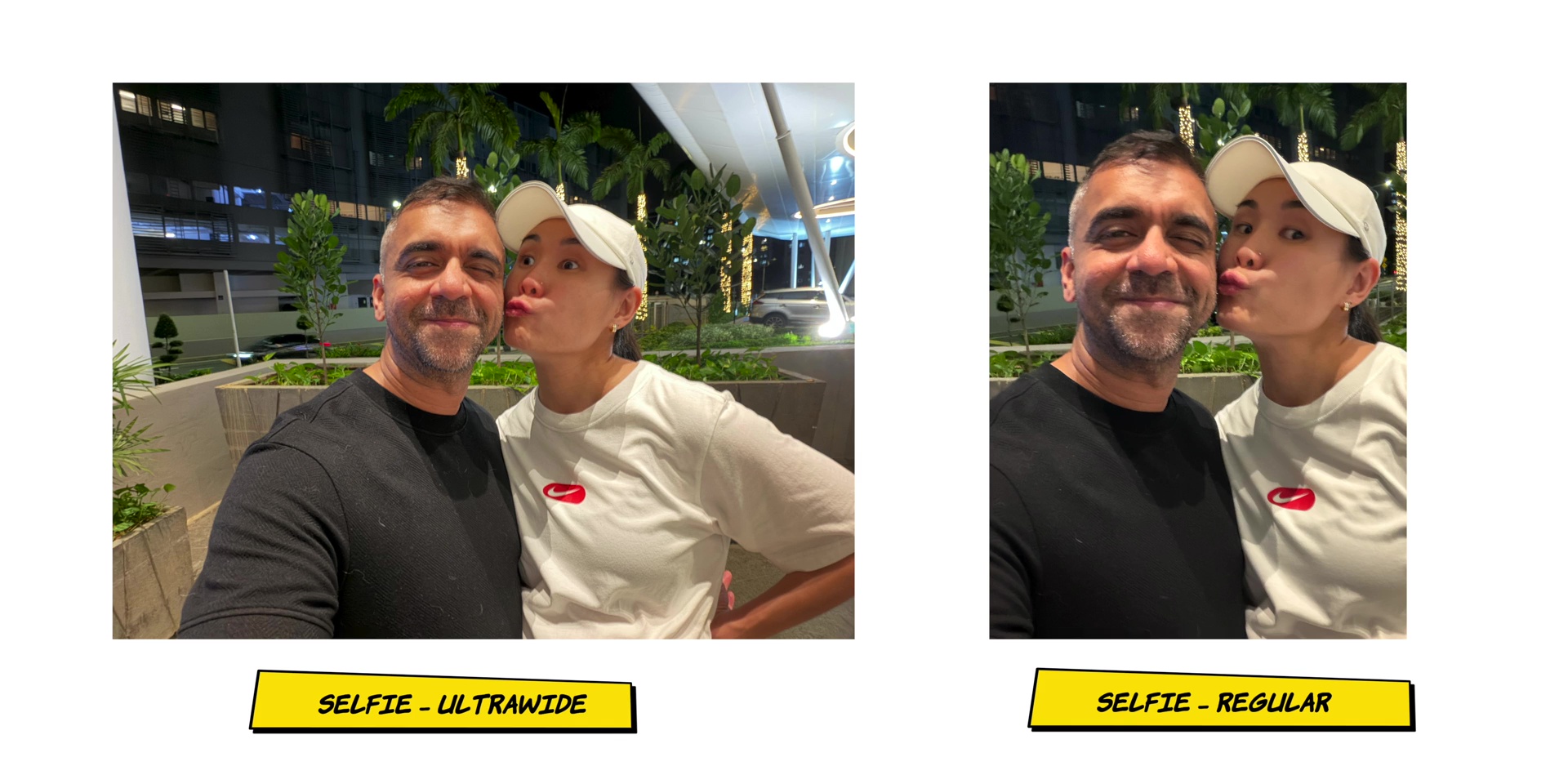
Then the second caveat for this is the fact that this sensor has a slight color shift when it comes to switching between the regular and the ultrawide mode specifically or only at night, as seen in these two pictures side by side. But once again, the nighttime portrait selfie did look amazing.

Ultrawide (Night)
I also love how the ultrawide photos at night turned out, where it didn’t make the sky look unusually blue or even orange, which happens to most phones to force it to be brighter. Where as seen over here, these skies were nice and dark, just like how our eyes perceive that. Even in mixed lighting situations, the balance of the highlights and the shadows for this ultrawide lens was nice.
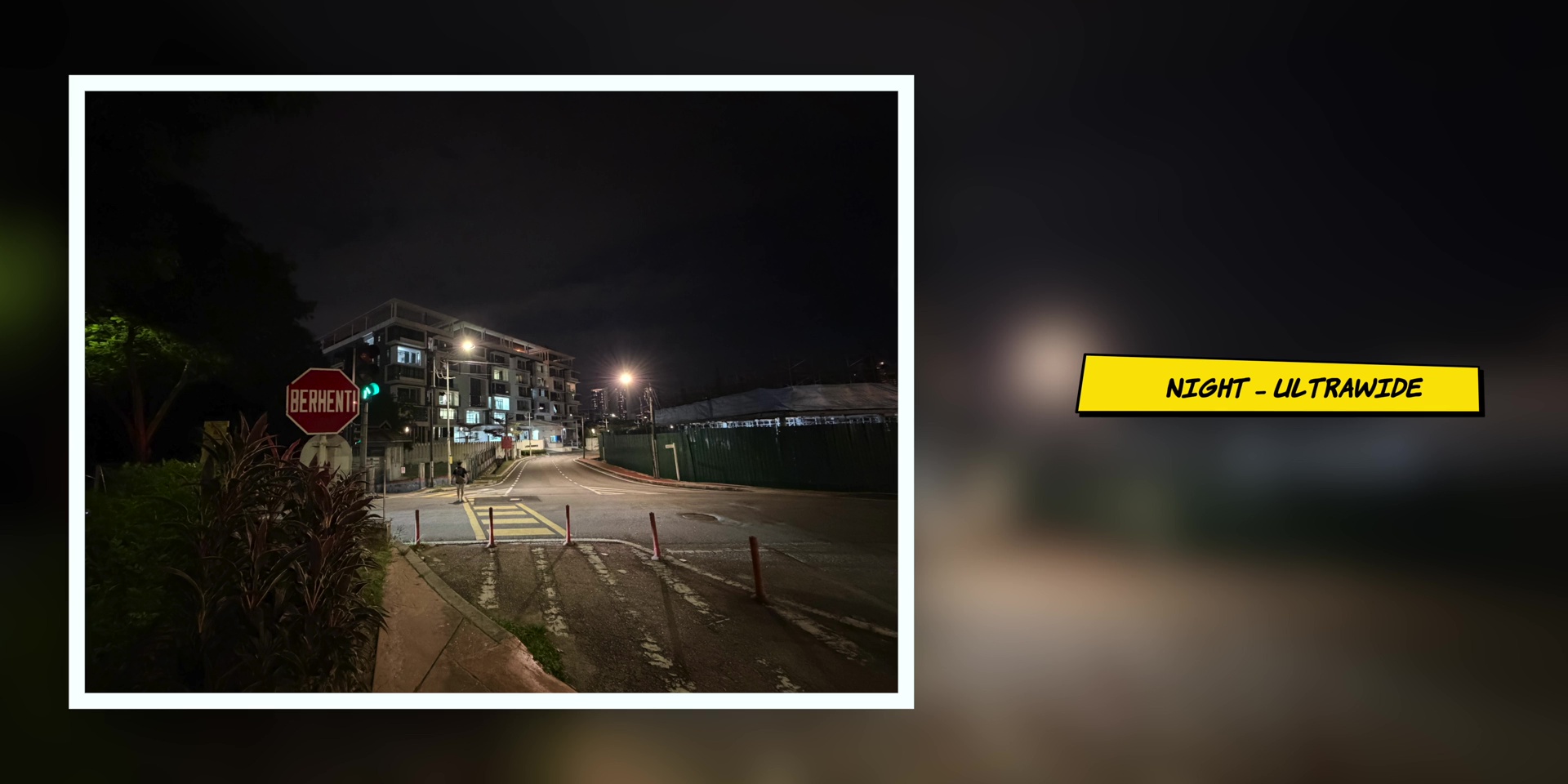
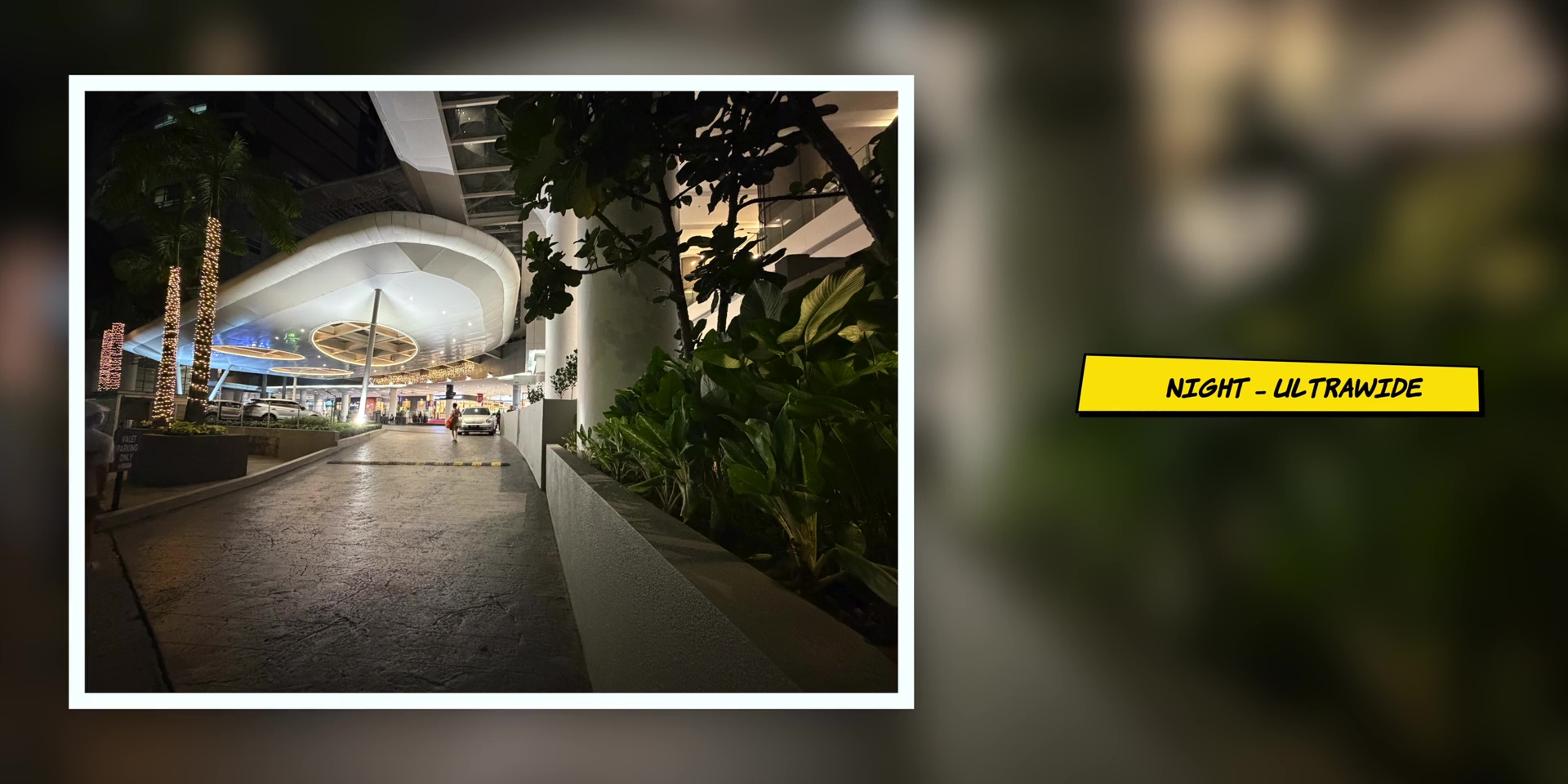
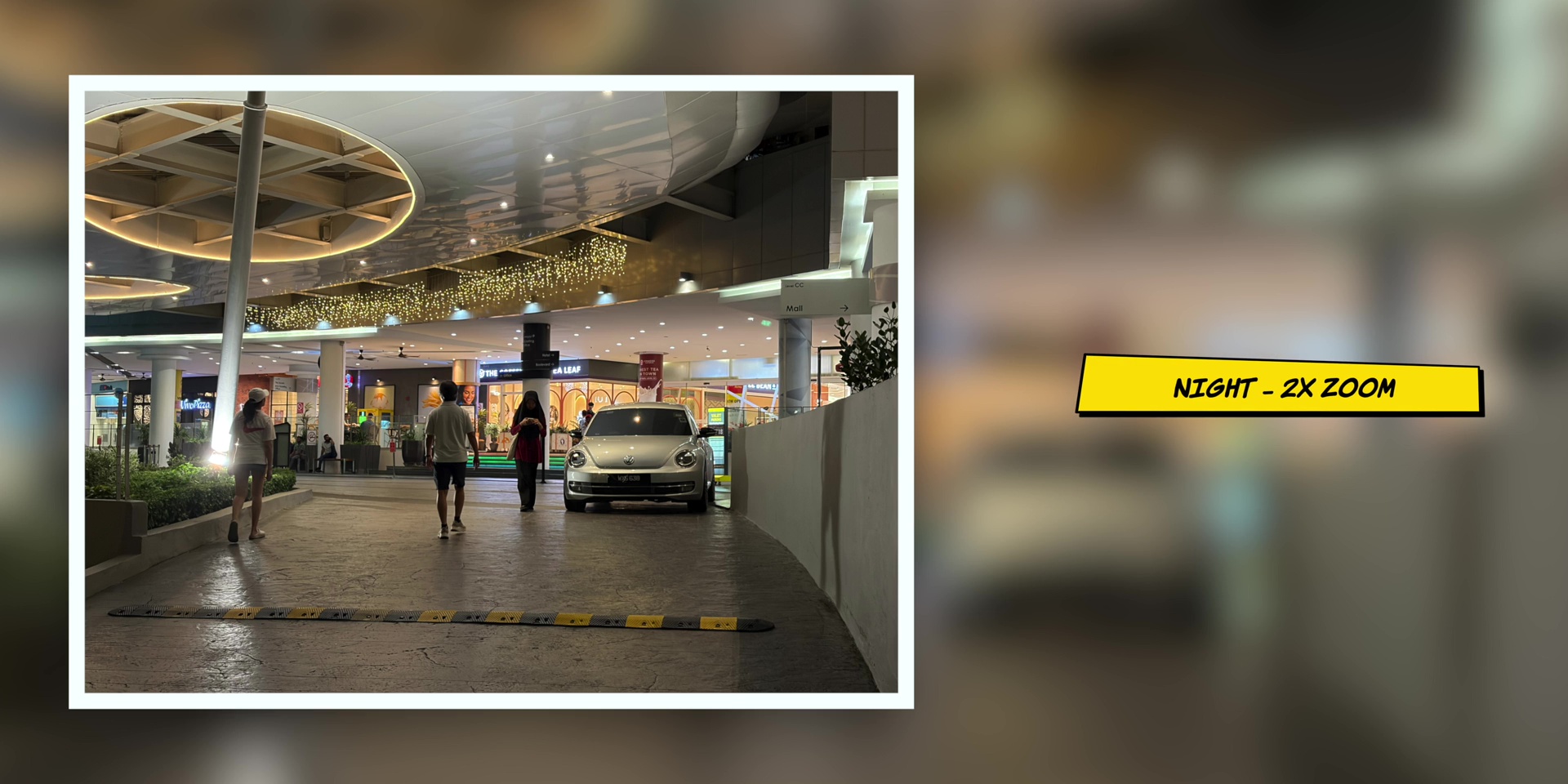
Main Lens (Night)
Then the main lens up to 2x is also really great. But you can see the quality dropping a little at 10x for mixed lighting situations. But if it’s outdoors towards the sky with less light, you’ll see the drop in quality on the 5x and the 10x mode.
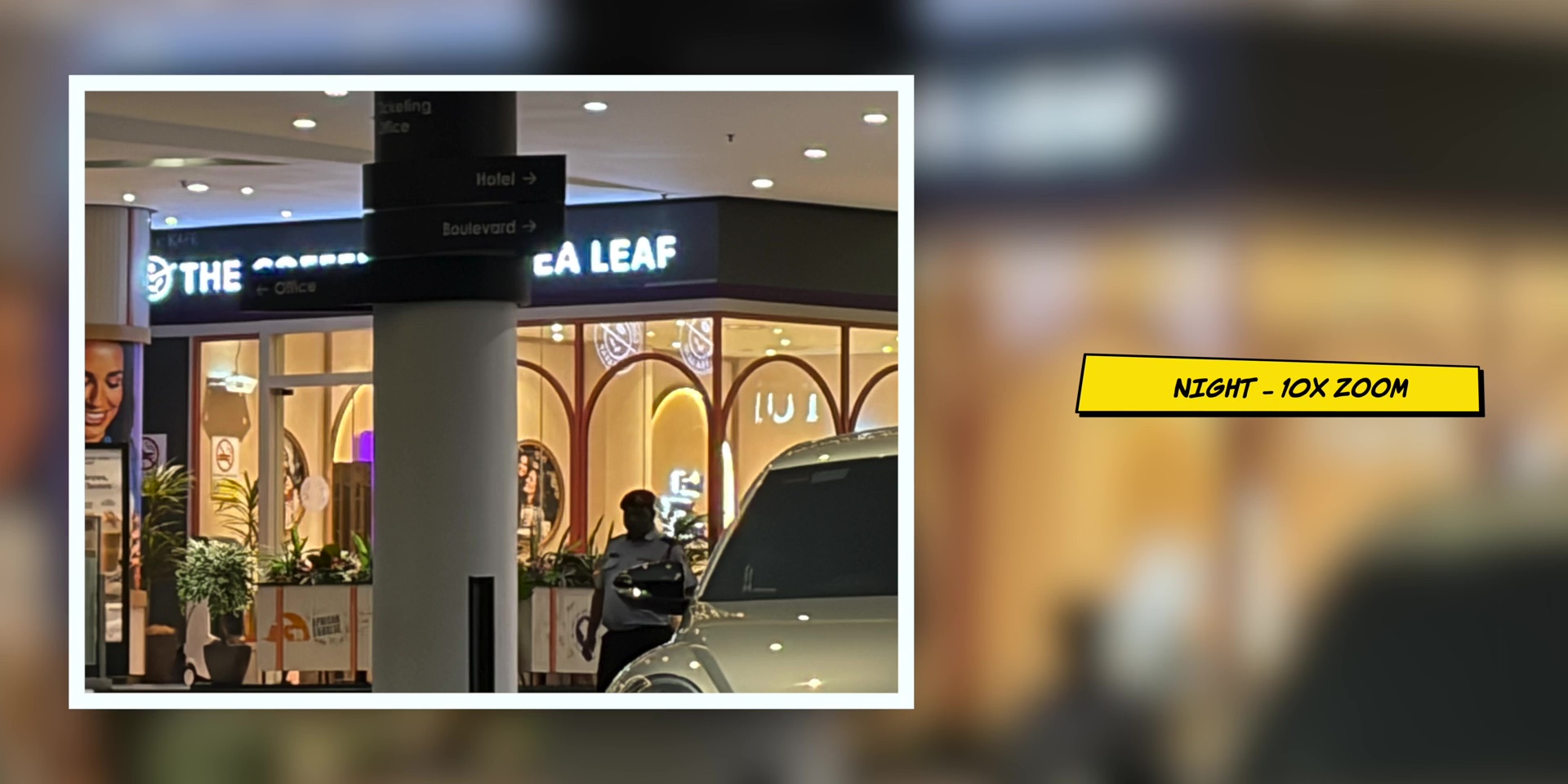
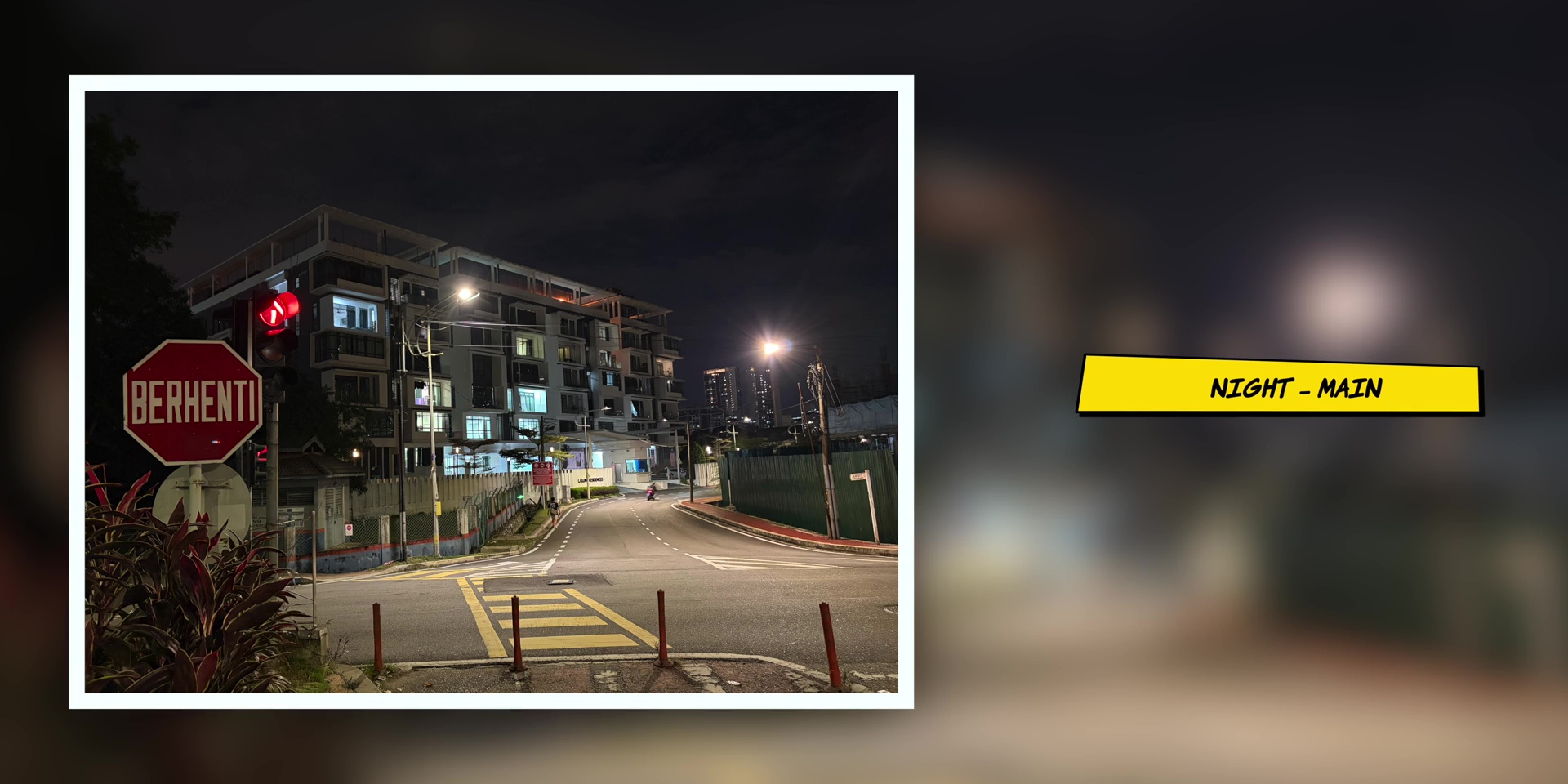
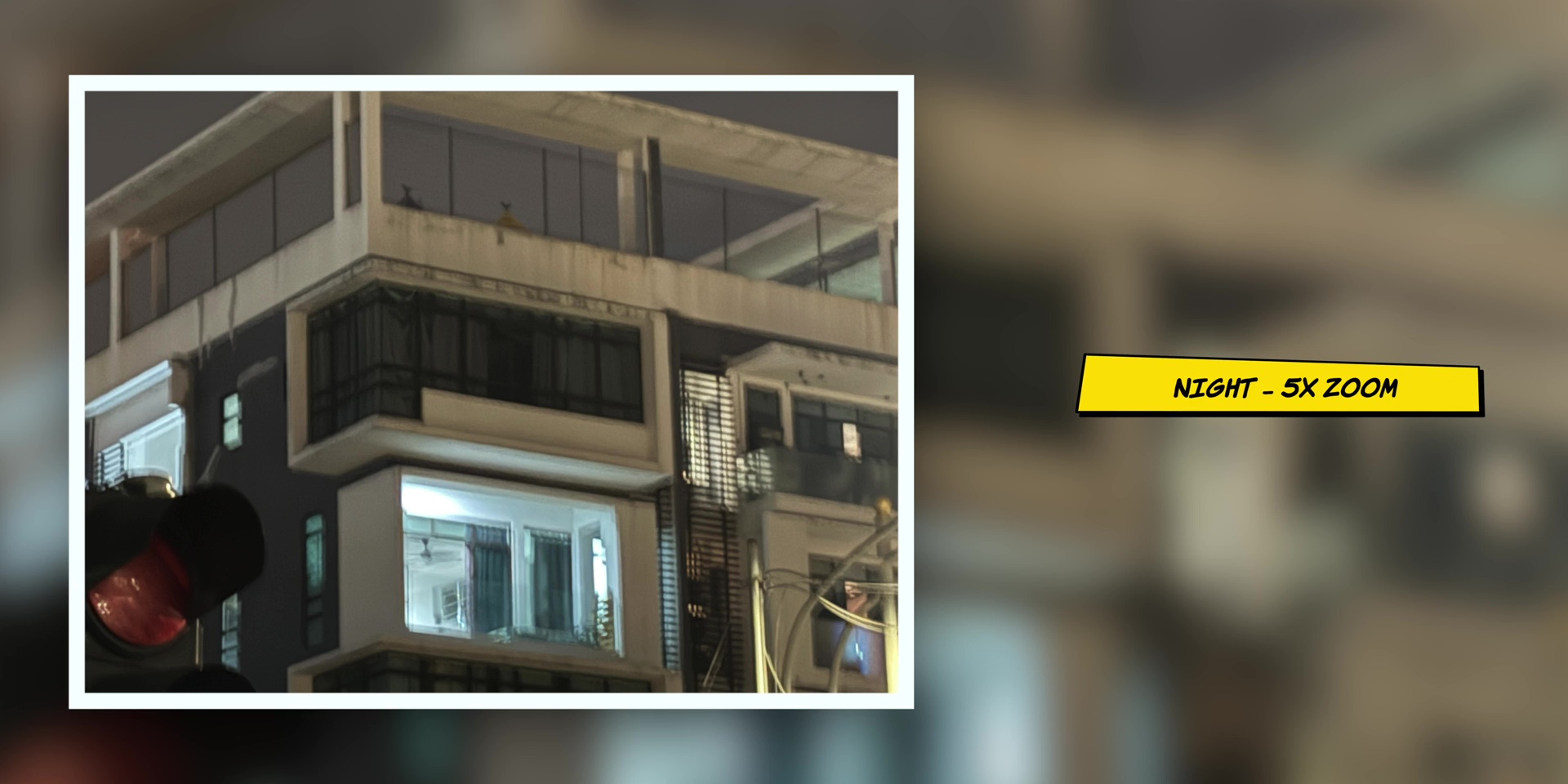
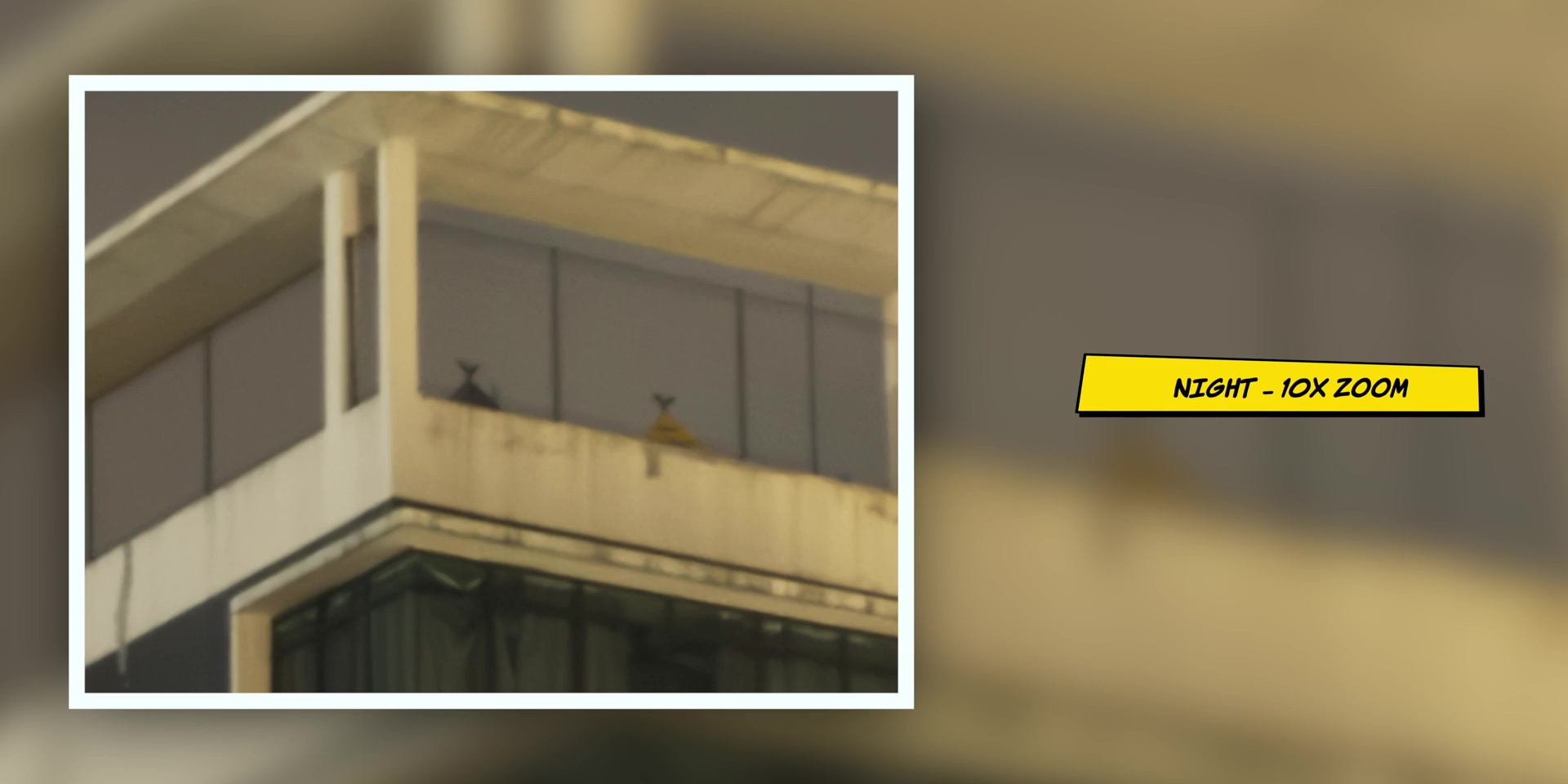
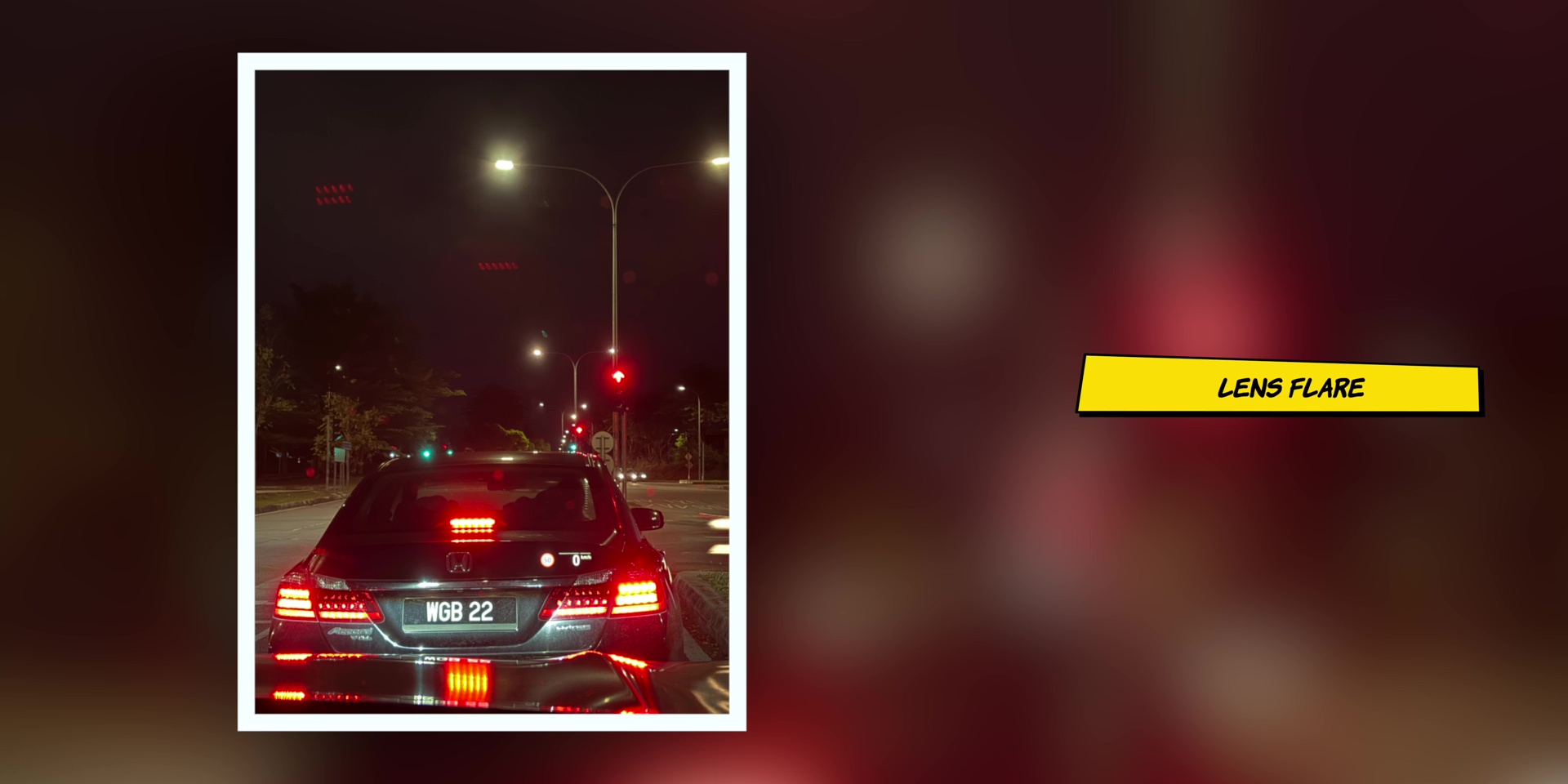
And yes, the infamous lens flare is present over here if you’re taking photos towards a neon light sign, as seen over here, or even car headlights as well.

Portrait (Night)
Then portrait mode for humans was also really great at night too, both for the 1x and the 2x mode.
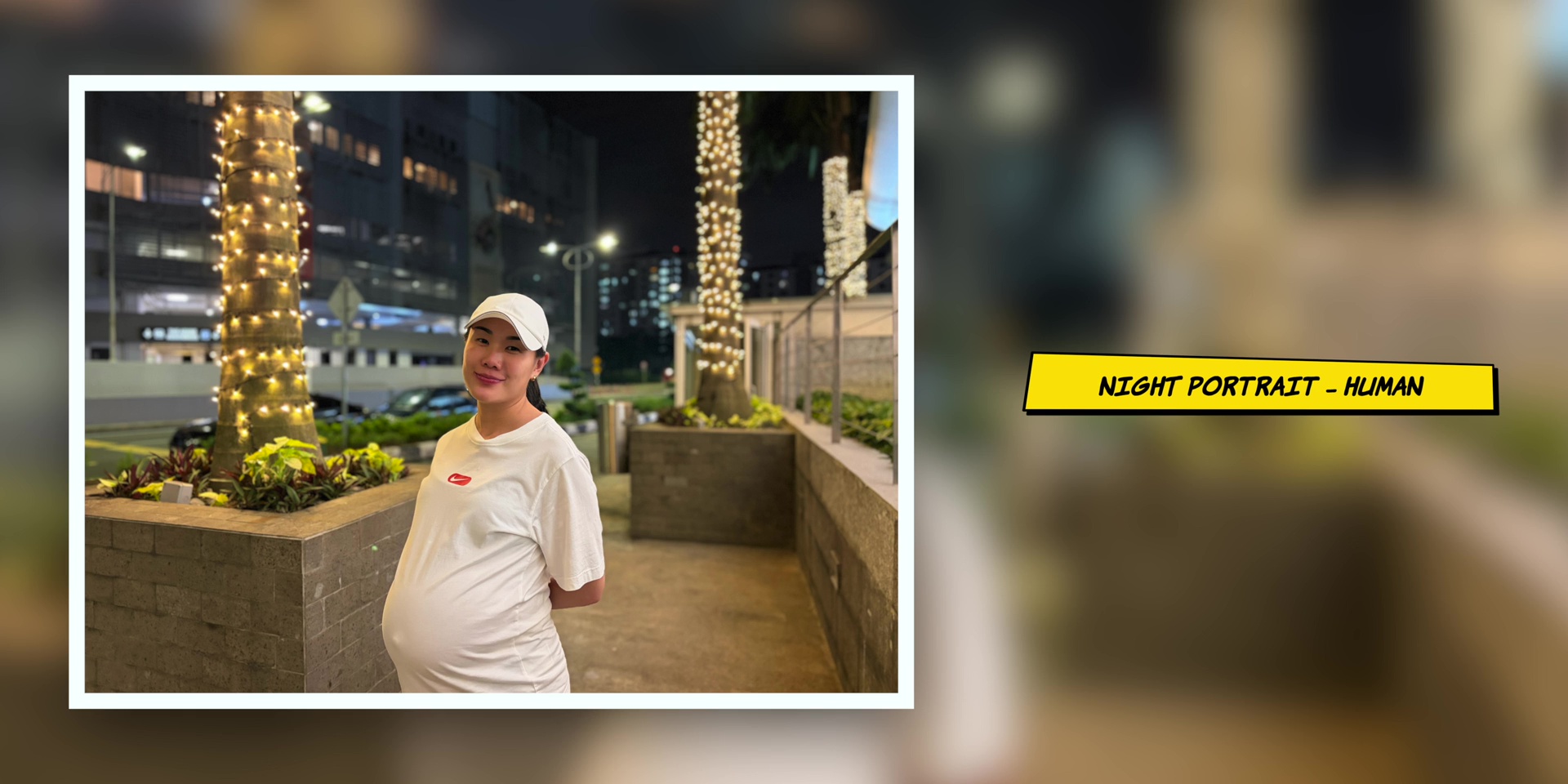

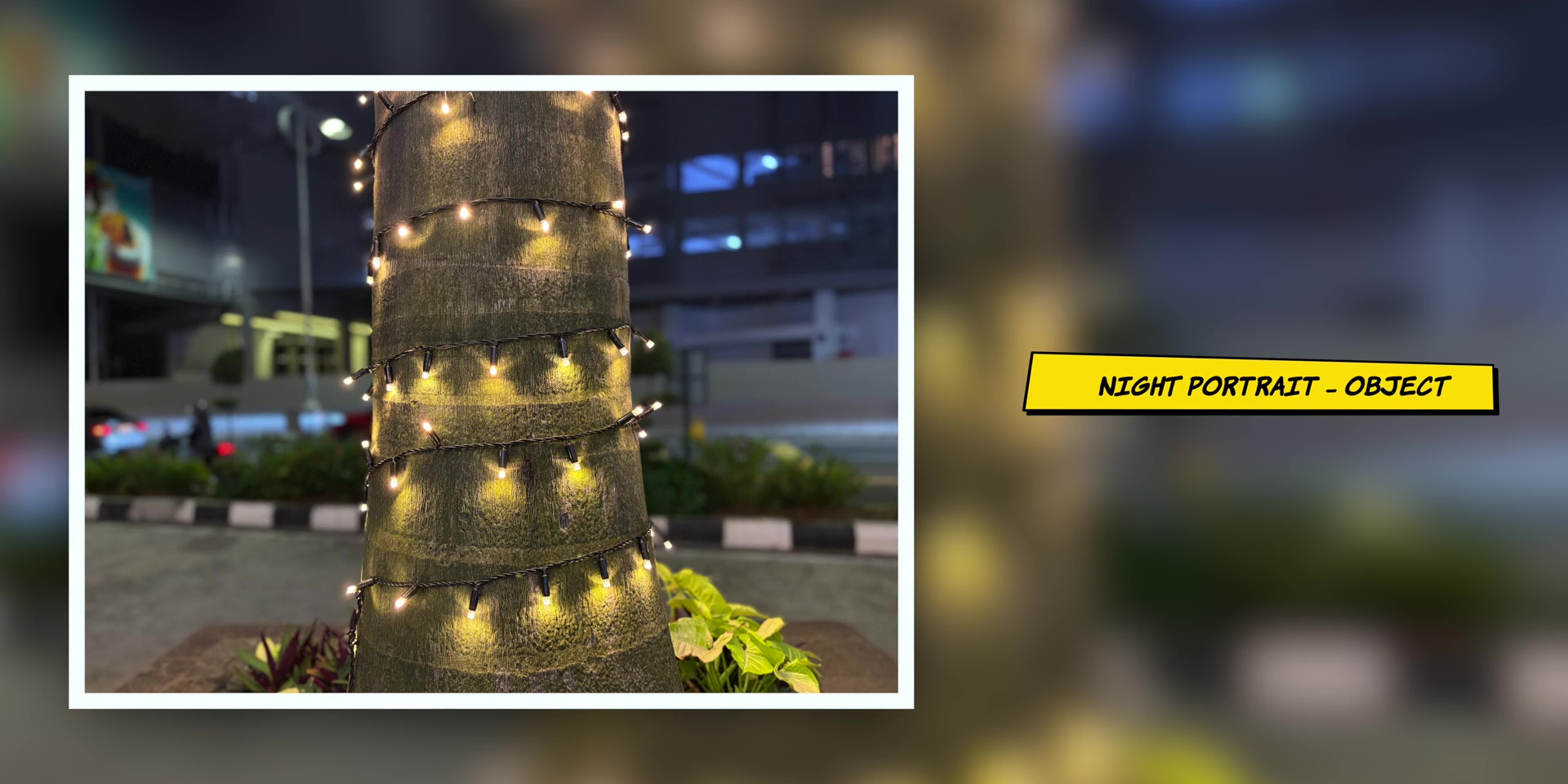
But be aware of where the lighting is facing, because if the scene is a little dark and has some other colors spilling over the face, the skin tones can be a little softer. And it did look great for taking this night portrait mode for objects.


Video Recording
[Check out all the sample video footage on my YouTube video]
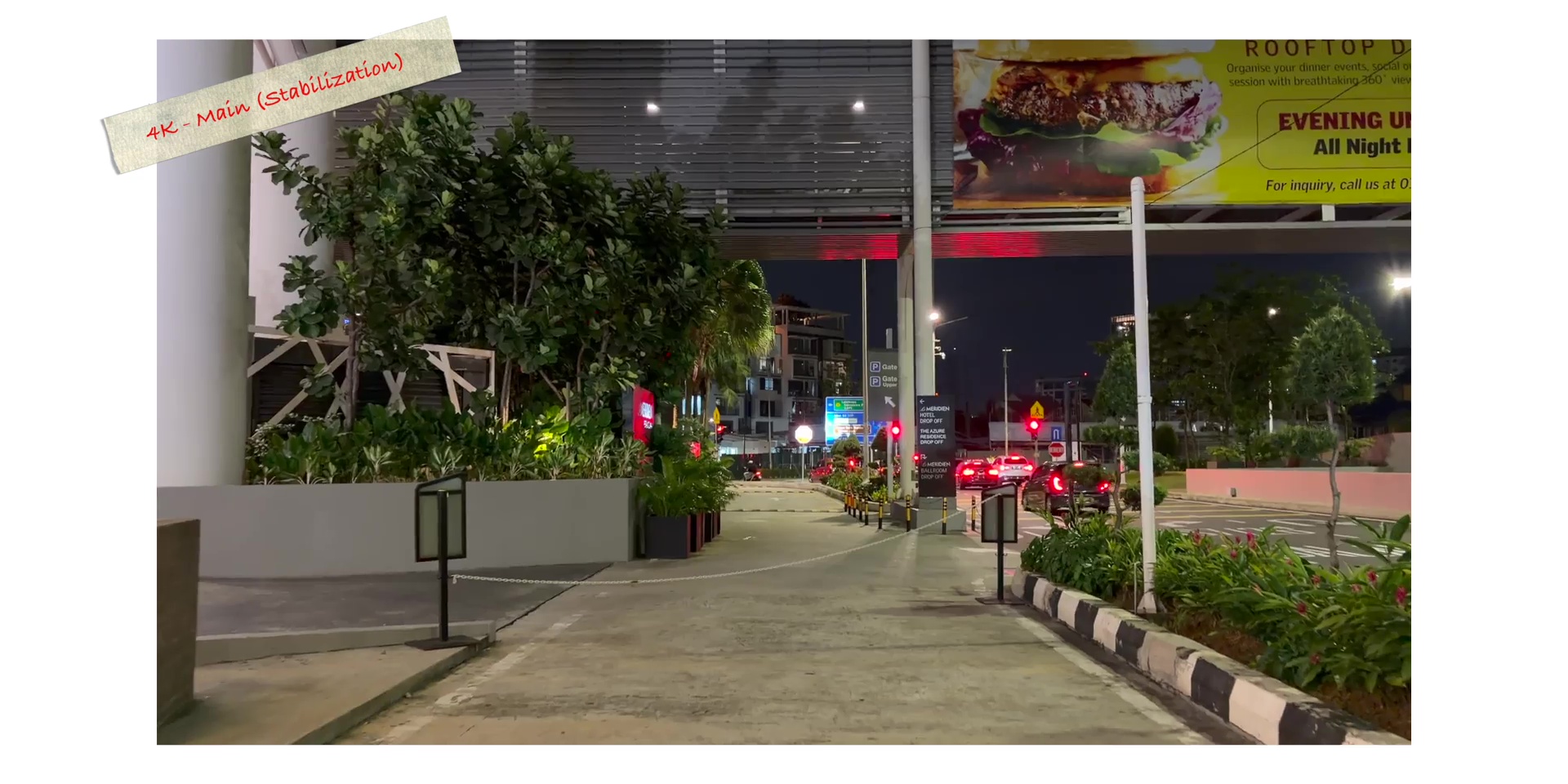
As for video, it can record up to 4K 30fps. And as usual, all of the lenses did perform very well, from the ultrawide, the main lenses, the 2x, and even the max 6x mode too.
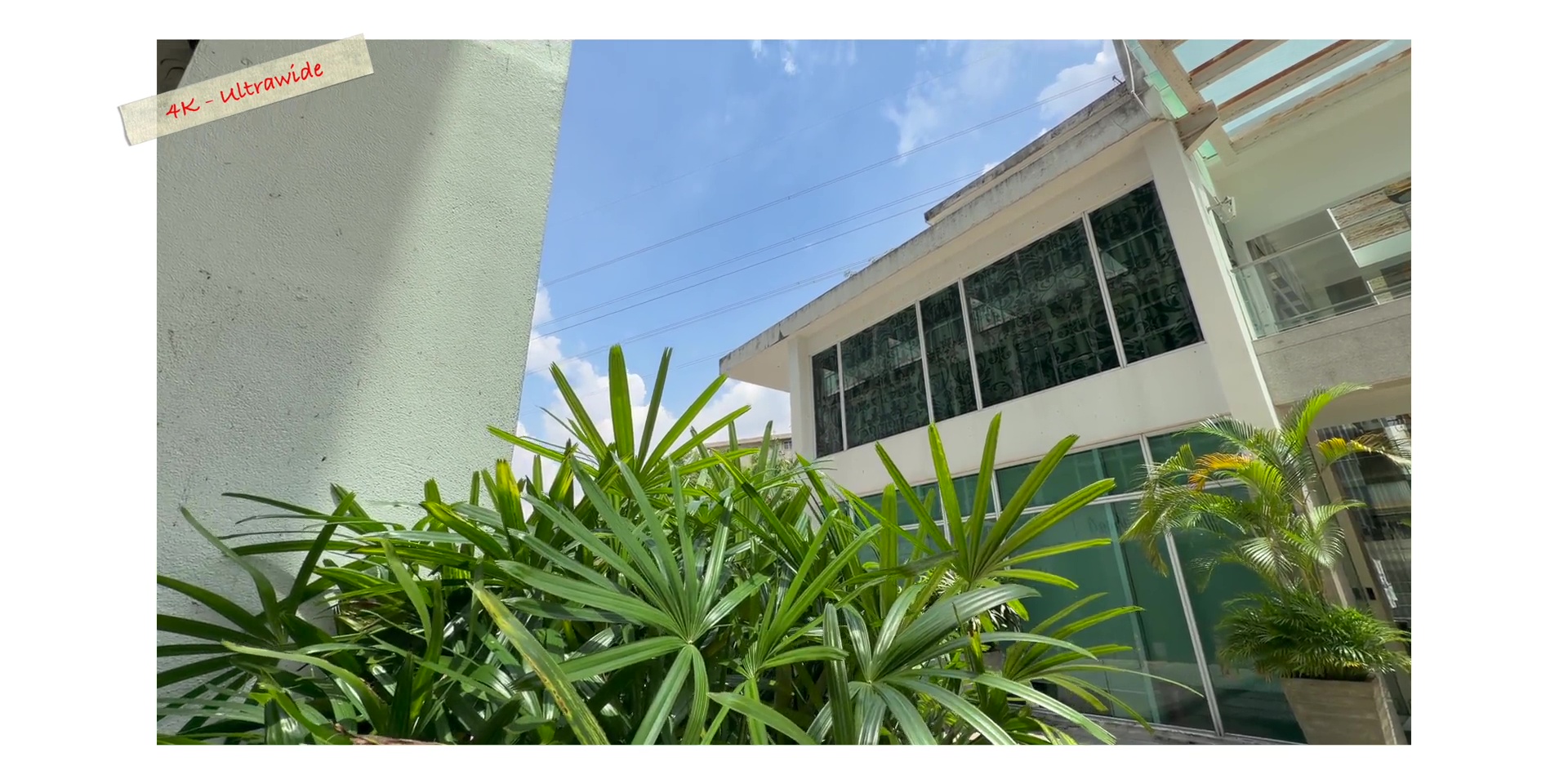
But when it comes to stabilization, the ultrawide lenses at night were a little bit jittery, but it was great for the main lenses and even the 2x as well. However, it wasn’t so great at 6x video quality.

The front video quality was also a mixed bag too. When you’re using the regular 4K, meaning without the ultrawide option, the dynamic range was awesome as usual, and so was the stabilization as well.

But the ultrawide option for video did take a while for the exposure to get back from being overexposed, and the stabilization was not as good, but still very usable.

The nighttime video quality was also nice all the way to the 2x video recording, but not so on the 6x zoom specifically at night. And stabilization was the same as during the day where the main lenses were the best compared to the ultrawide lenses. And the 2x mode is where you start seeing the lens flare again, a little more prominent.
Like the daytime video selfie, the regular mode will look better than the ultrawide options. And this is the same for the landscape or even the vertical orientation. So, keep that in mind.

And hopefully a software update could fix this because that is a brand new sensor. So, I am confident that it will be fixing these so-called nighttime issues when it comes to this.
Conclusion
So, why is Apple suddenly giving you a pro-level feature on a non-Pro iPhone?
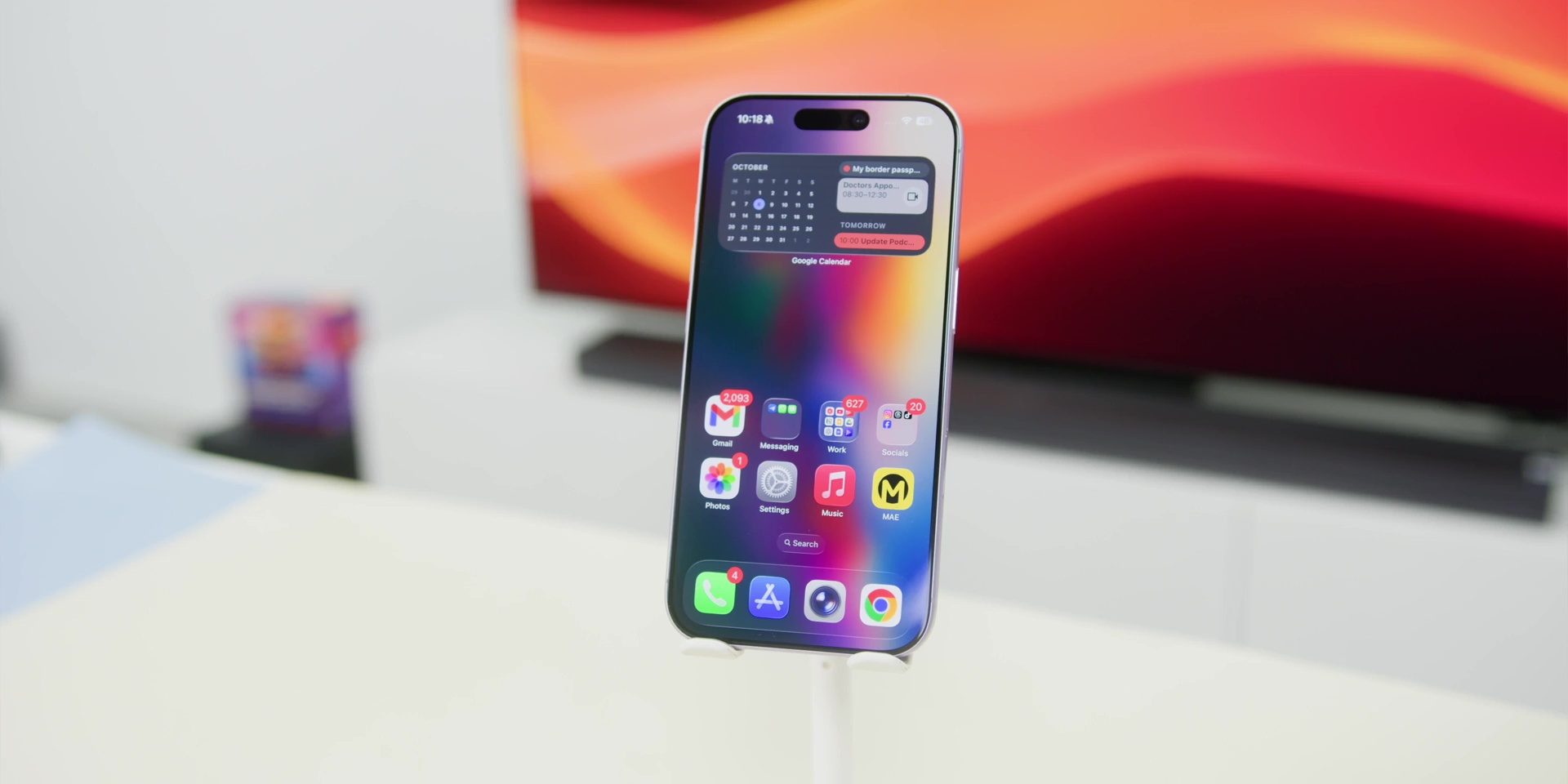
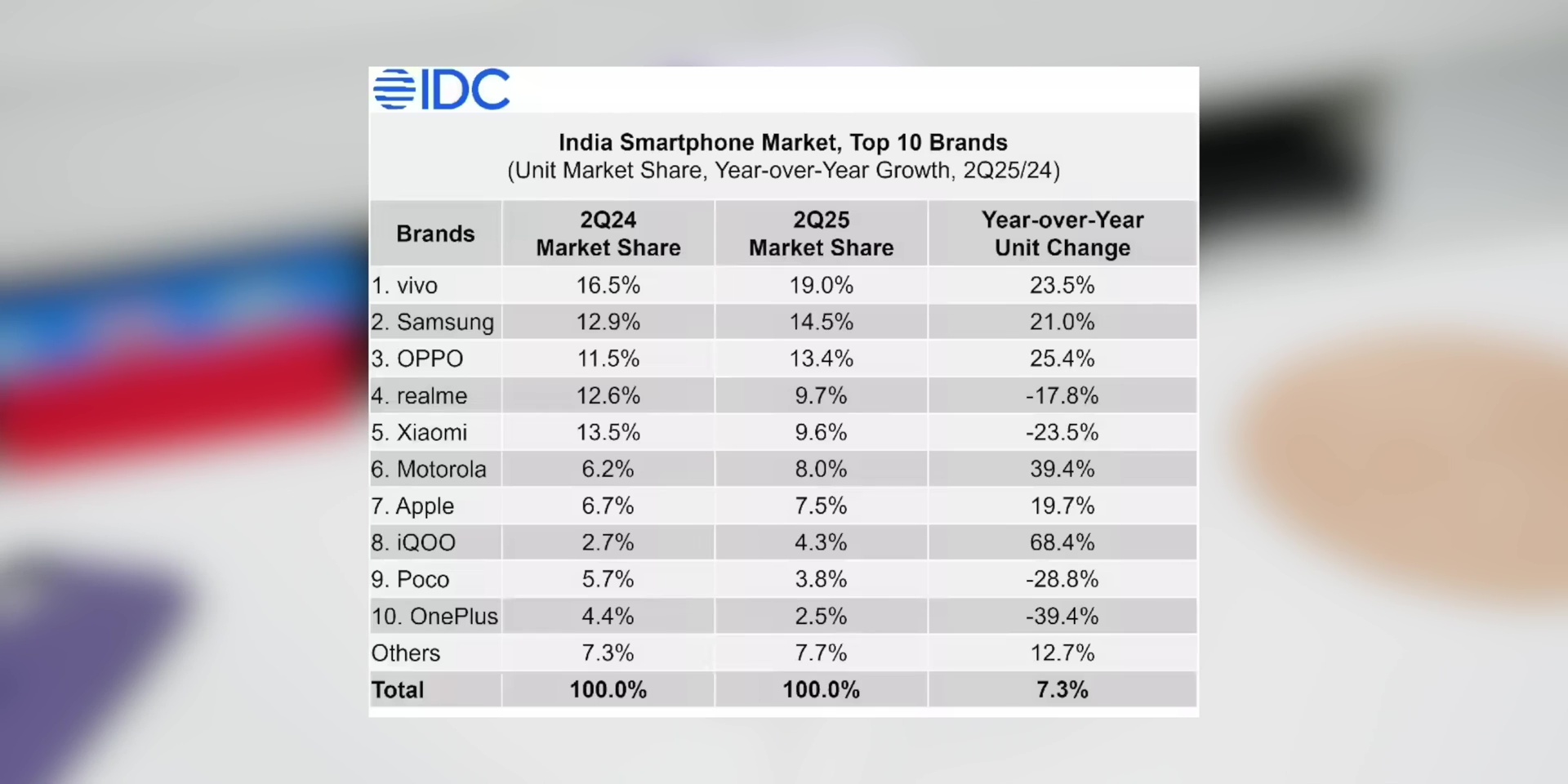
Well, because competition is catching up really quickly, globally and especially in India as well, which is one of the top areas where Apple has always been the top smartphone brand. And to win you guys over, Apple has finally packed in almost everything that you have been asking for on a baseline iPhone.
But the important part is this: For the very first time, you don’t need to pay Pro prices to get a complete iPhone experience. That makes this phone the best for the price and for you to make the switch.
🛒 Get the iPhone 17 here:-
Shopee (MY) – https://invl.me/cln0cmq
Lazada (MY) – https://invl.me/cln0cmr
[Watch the full video on YouTube over here]
Related:

