Inside IJN’s Life-Saving ECMO Programme
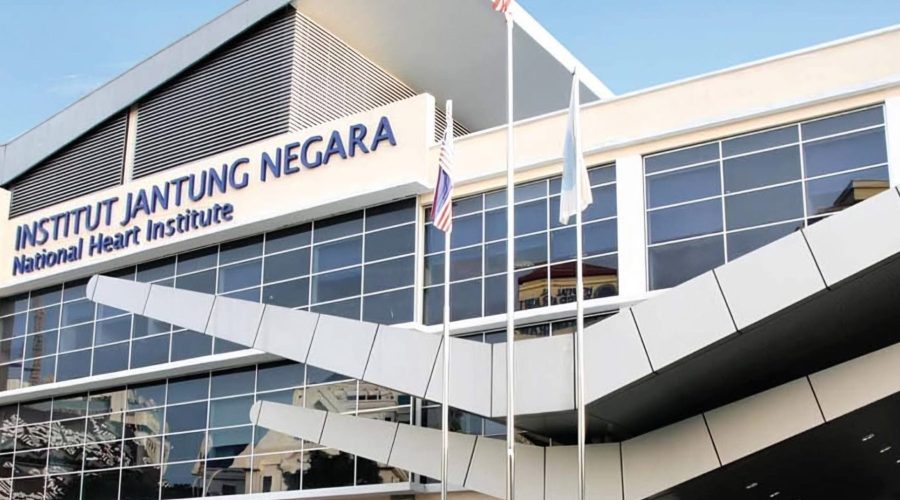
When all conventional treatment options have been exhausted, survival in advanced cardiac and respiratory care hinges on rapid decision-making and specialist expertise. At Institut Jantung Negara (IJN), Malaysia’s National Heart Institute, this critical juncture is where Extracorporeal Membrane Oxygenation (ECMO) is deployed as a last-resort life support measure.
ECMO is used only in the most severe and high-risk cases, providing temporary support for patients with acute heart or lung failure when standard medical therapies are no longer effective.
By temporarily taking over the function of the heart and lungs, the system allows vital organs time to rest while underlying conditions are stabilised. Its effectiveness, however, depends as much on clinical judgement and constant reassessment as on the technology itself.
At IJN, the decision to initiate ECMO involves following a careful multidisciplinary evaluation. Patients on ECMO require continuous monitoring by a specialised team comprising cardiologists, cardiac surgeons, intensivists, anaesthesiologists, perfusionists and critical care nurses, with even minor adjustments capable of altering outcomes.
Among the recent cases managed at IJN was a young international student who was admitted in cardiogenic shock after a viral infection. His condition deteriorated despite intensive treatment at another facility before he was referred to IJN.
ECMO was initiated on 23 November 2025, stabilising his circulation within hours and significantly reducing his reliance on medication. After five days of mechanical support, his heart function recovered sufficiently for ECMO to be withdrawn.
In a separate case, a young woman developed severe postpartum cardiomyopathy following a Caesarean delivery. She required 11 days of ECMO support after suffering a near-fatal collapse, eventually recovering enough to reunite with her newborn.
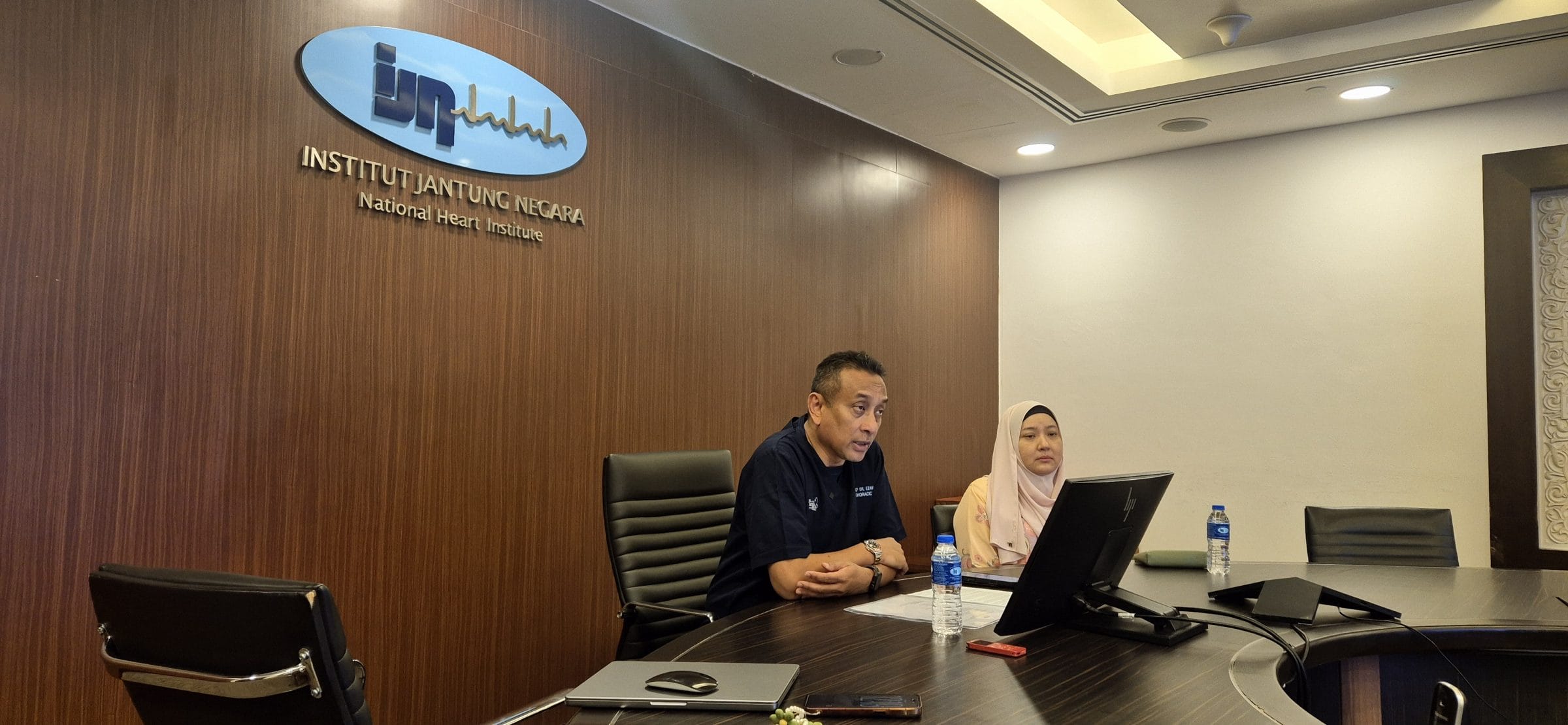
According to IJN’s Chief Executive Officer, Prof Dato’ Sri Dr Mohamed Ezani Md Taib, the most complex phase of ECMO treatment is not initiation, but withdrawal. “Putting ECMO in is one thing, but taking it out is more challenging,” he said.
“We reduce support gradually and use ultrasound to ensure the heart can function independently. When patients arrive critically ill with limited options, ECMO gives the heart a chance to recover. As long as there is a possibility to save a life, we will continue.”
As Malaysia’s national cardiac referral centre, IJN routinely treats patients for whom conventional therapies have failed. Its ECMO programme reflects the institute’s readiness to intervene at the narrowest margins of critical care, where time is limited, and decisions are irreversible. Beyond its technical role, ECMO offers something fundamental — time for stabilisation, recovery and informed clinical decision-making when it matters most.