
Inflation Forecast At 2.7% In 2025 On Trumpflation And RON95 Factor
Headline inflation softened to 1.7% YoY in December, the lowest since January 2024. Kenanga IB said the reading matched its forecast but fell short of market expectations (1.8%). For 2024, inflation averaged 1.8% YoY, well below its 30-year average of 2.3%, largely due to lower food, transport, and restaurant & accommodation prices.
The latest CPI report by the Department Of Statistics showed that core inflation eased to 1.6% (Nov: 1.8%) its lowest in nearly three years, partly due to a sustained drop in communication costs. The full-year rate stood at 1.8%. 4Q24 inflation cooled further to 1.8%, primarily due to a moderation in transport costs. On a MoM basis, headline CPI rebounded by 0.1%, while core inflation declined by 0.2%.
Rising food and transport costs were partly offset by a continued decline in communication costs. Food & beverages (2.7%; Nov: 2.6%): highest in 14 months, driven by a 0.4% MoM increase (Nov: 0.0%), mainly due to a sharp rebound in fish & other seafood (1.2% MoM; Nov: -0.6%), and vegetable prices (6.0% MoM; Nov: -1.0%).
Transport (0.4%; Nov: 0.4%): unchanged YoY but rebounded 0.3% MoM (Nov: -0.2%), led by higher lubricant prices, maintenance and repair costs for personal transport, and international flight fares (16.1% MoM; Nov: -3.8%). Information & Communication (-5.4%; Nov: -3.9%): fell to a record low, mainly due to a continued decline in mobile phone prices (-3.0%; Nov: -2.6%) and mobile communication service costs (-13.5%; Nov: -11.4%).
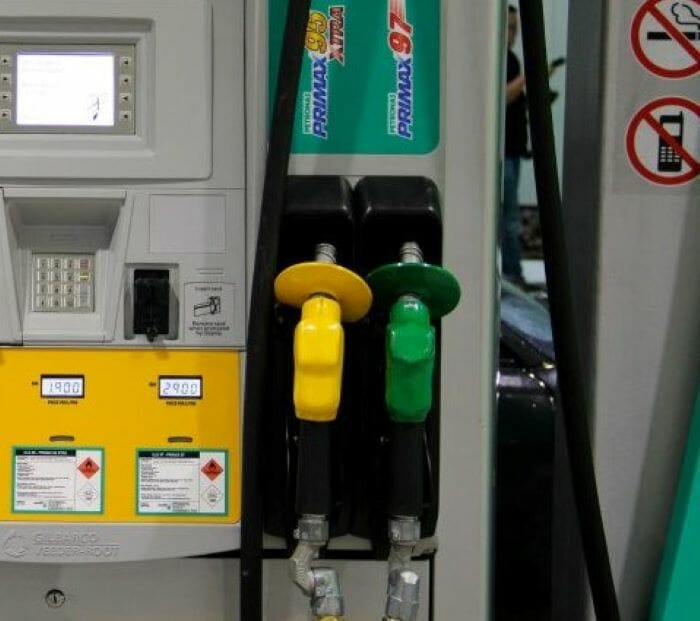
Fiscal consolidation to push 2025 inflation to 2.7% (2024: 1.8%); ‘Trumpflation’ risks loom. The house maintains the 2025 inflation forecast, factoring in the expected June–July removal of RON95 subsidies, which could push inflation higher as petrol comprises 5.5% of the CPI basket. Modest pressures may also stem from higher electricity tariffs, rising insurance premiums, and wage-price pass-through. On the external front, President Trump’s proposed tariffs targeting the EU, China, Canada (25.0% import taxes) could impact global trade.
Malaysia’s E&E sector remains vulnerable to this spillover.
Despite external uncertainties, BNM is unlikely to adjust policy rates in line with today’s Monetary Policy Committee
decision, given Malaysia’s relatively stable inflation and resilient growth outlook. As expected OPR was maintained at 3.00% in
the first 2025 MPC but Kenanga said it remains watchful for potential inflation shocks or downside risks to growth that could warrant a policy shift.