
Impact on Malaysia’s Ringgit & Bursa Market
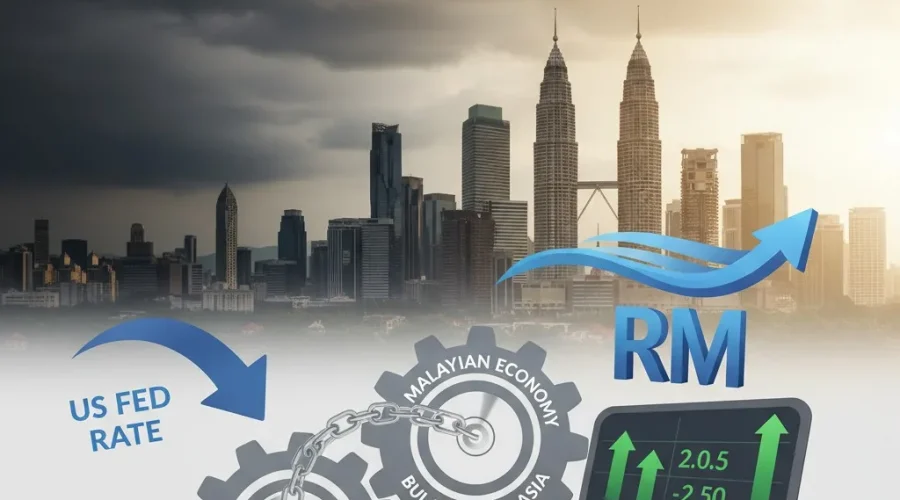
Across the Pacific, in the meeting rooms of Washington D.C., a decision hangs in the air that could send significant ripples all the way to our shores in Malaysia. The global financial community is watching the US Federal Reserve closely, anticipating a potential cut in interest rates. This isn’t just a headline for economists; it’s a development that could directly influence the value of our ringgit, the performance of Bursa Malaysia, and the strategic plans of our local companies. For savvy Malaysian investors and forward-thinking business leaders, understanding the potential fallout from this move is not just wise—it is essential for navigating the months ahead. This article will explore what a US rate cut could mean for our economy, from the stock market to international trade.
A Softer Greenback and a Stronger Ringgit?
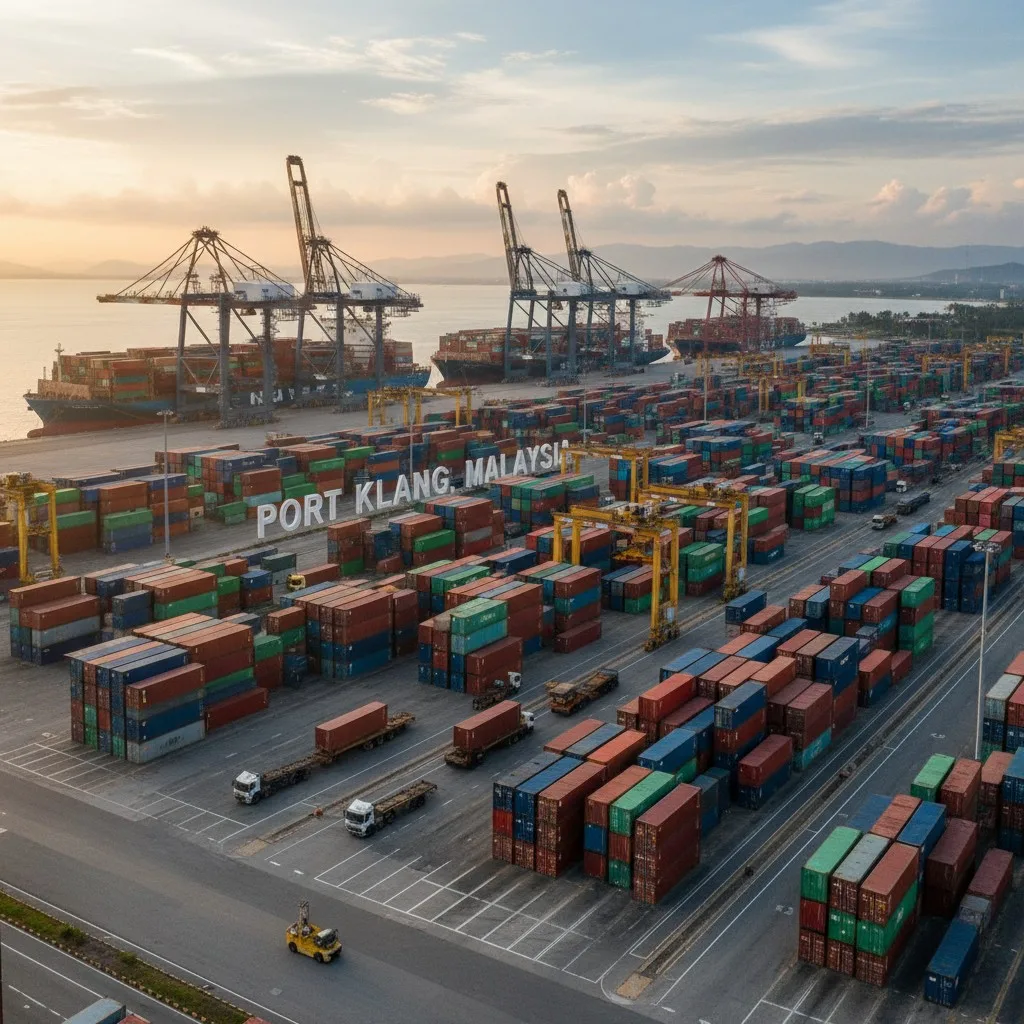
At the heart of this discussion is the simple relationship between interest rates and currency value. When the US Federal Reserve cuts its interest rate, holding US dollars becomes less attractive for global investors seeking higher returns. As a result, many will look to sell their dollars and invest elsewhere, causing the value of the US dollar—often called the greenback—to soften. For Malaysia, this typically leads to the opposite effect: a strengthening of the Malaysian ringgit. A stronger ringgit is a double-edged sword. On one hand, imports become cheaper. This is good news for consumers buying foreign goods and for manufacturers that rely on imported raw materials. On the other hand, our Malaysian exports become more expensive for international buyers, which could create challenges for key sectors like electronics and palm oil.
The Potential Knock-On Effect for Bursa Malaysia
A stronger ringgit often acts as a magnet for foreign capital. International fund managers, seeing our currency appreciate and looking for growth outside the US, may shift their focus to emerging markets like Malaysia. This potential inflow of foreign investment can provide a significant boost to our local stock market, Bursa Malaysia. When more money chases the same number of shares, prices tend to rise. Sectors that are focused on the domestic economy, such as construction, retail, and banking, could see particular interest as they stand to benefit from increased domestic purchasing power and positive economic sentiment. However, export-oriented companies listed on the exchange might face some pressure on their earnings due to the stronger ringgit making their goods less competitive abroad.
Seizing Opportunities in a Shifting Market
This changing landscape presents fresh opportunities that discerning Malaysian investors can prepare for. As foreign funds potentially flow into Bursa Malaysia, there could be upward momentum in the broader market. It may be a good time to re-evaluate investment portfolios, perhaps tilting towards companies with a strong domestic focus that are insulated from export challenges. A stronger ringgit also means that any overseas investments or holidays become cheaper, adding a little more power to your savings. For those trading in the currency market, the volatility surrounding the Fed’s decision could present short-term trading opportunities, though this comes with its own set of risks. The key is to stay informed and align your investment strategy with the unfolding economic trends.
Navigating the Headwinds for Local Businesses
While investors look for opportunities, local businesses must focus on strategy and risk management. For companies that export their products, a stronger ringgit can squeeze profit margins. It becomes crucial to manage currency exposure, perhaps through hedging instruments, and to find operational efficiencies to remain price-competitive on the global stage. Conversely, companies that import goods or materials will find their costs decreasing. The challenge for them will be to decide whether to pass these savings on to customers to gain market share or to reinvest the savings back into the business for growth. The uncertainty itself is a major hurdle, making it difficult to set budgets and forecast sales accurately.
Conclusion: Preparation is the Best Strategy
The potential US interest rate cut is more than just a distant economic event; it’s a catalyst for change that will be felt directly here in Malaysia. As we have seen, this could lead to a stronger ringgit, bringing both a welcome reduction in import costs and a challenging environment for our exporters. For investors, it may signal a period of opportunity on Bursa Malaysia, while businesses will need to navigate the financial crosswinds with care and foresight. While nobody can predict the future with absolute certainty, being prepared is the next best thing. At our core, we believe that staying informed and having a flexible strategy is the best way to handle these shifts. By closely monitoring the Federal Reserve’s moves and understanding their local impact, we can all make better decisions to protect our assets and seize the opportunities that arise.

