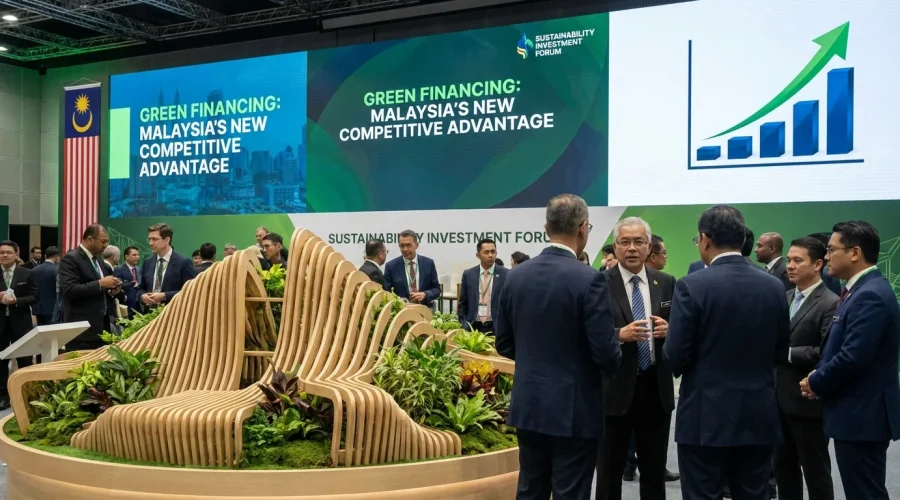
Green Financing Malaysia: Your New Competitive Advantage
Imagine a future where your business’s impact on the planet directly influences its financial health. That future isn’t a distant dream; it’s unfolding right now across Malaysia. The conversation around sustainability has decisively shifted from the corporate social responsibility department to the boardroom. It’s no longer just about looking good; it’s about being financially smart. We are witnessing a powerful trend where environmental and social governance is becoming deeply embedded in financial decision-making. This article explores this green shift, showing how it offers a real competitive advantage and why integrating sustainability into your core business strategies is essential for growth in today’s economic landscape.
The New Colour of Money: Green Financing Takes Centre Stage
The financial tides are turning, and a recent landmark transaction is a clear signal of this change. UOB Malaysia’s RM600 million sustainability-linked loan to RHB Banking Group is more than just a headline; it’s a testament to the rise of green financing in our region. In simple terms, this type of loan ties the borrowing costs to the achievement of specific sustainability targets. If RHB meets its pre-agreed environmental and social goals, its borrowing costs could decrease. This creates a powerful financial incentive to operate more responsibly. This move from one major financial institution to another sends a clear message: sustainability is now a bankable asset. It’s an endorsement from the highest levels of finance that doing good is, in fact, good for business.
From Cost Centre to Profit Driver: The Strategic Value of Sustainability
For too long, sustainability was seen as an expense—a cost to be minimised. Today, that view is outdated. Adopting sustainability-linked financial strategies is about unlocking new value and building a more resilient business. Companies that prioritise sustainability are finding they can attract a wider pool of investors, particularly international funds that use Environmental, Social, and Governance (ESG) criteria to make decisions. Furthermore, they are better positioned to manage risks, from supply chain disruptions caused by climate change to shifting consumer preferences towards greener brands. The potential to secure lower borrowing costs through mechanisms like green financing is just the icing on the cake, providing a direct, measurable benefit to the bottom line.
Gaining the Edge in a Changing World
In an interconnected global economy, what happens in Europe or North America directly impacts Malaysian businesses. New regulations, such as the EU’s Carbon Border Adjustment Mechanism (CBAM), will soon require companies exporting to the bloc to report on their emissions. Those who fail to adapt risk being locked out of key markets. This is where sustainability becomes a formidable competitive advantage. By embracing transparency and improving their environmental footprint, Malaysian companies can not only comply with international standards but also distinguish themselves from the competition. This evolution is supported by the growth of environmentally conscious banking, where financial partners act as enablers, providing the tools and expertise needed to navigate this new terrain.
Putting Sustainability into Practice: Your Next Steps
Integrating sustainability doesn’t require you to instantly overhaul your entire operation. It starts with asking the right questions. Where can you improve energy efficiency? How can you reduce waste in your production process? Is your supply chain ethical and transparent? The answers to these questions form the foundation for weaving sustainable goals into your company’s DNA. These goals shouldn’t live in a separate report; they must be a part of your core business strategies. The key is to start, measure your progress, and communicate your efforts authentically. Adopting these sustainable practices is a journey, not a destination, and every step forwards builds a stronger, more future-proof business.
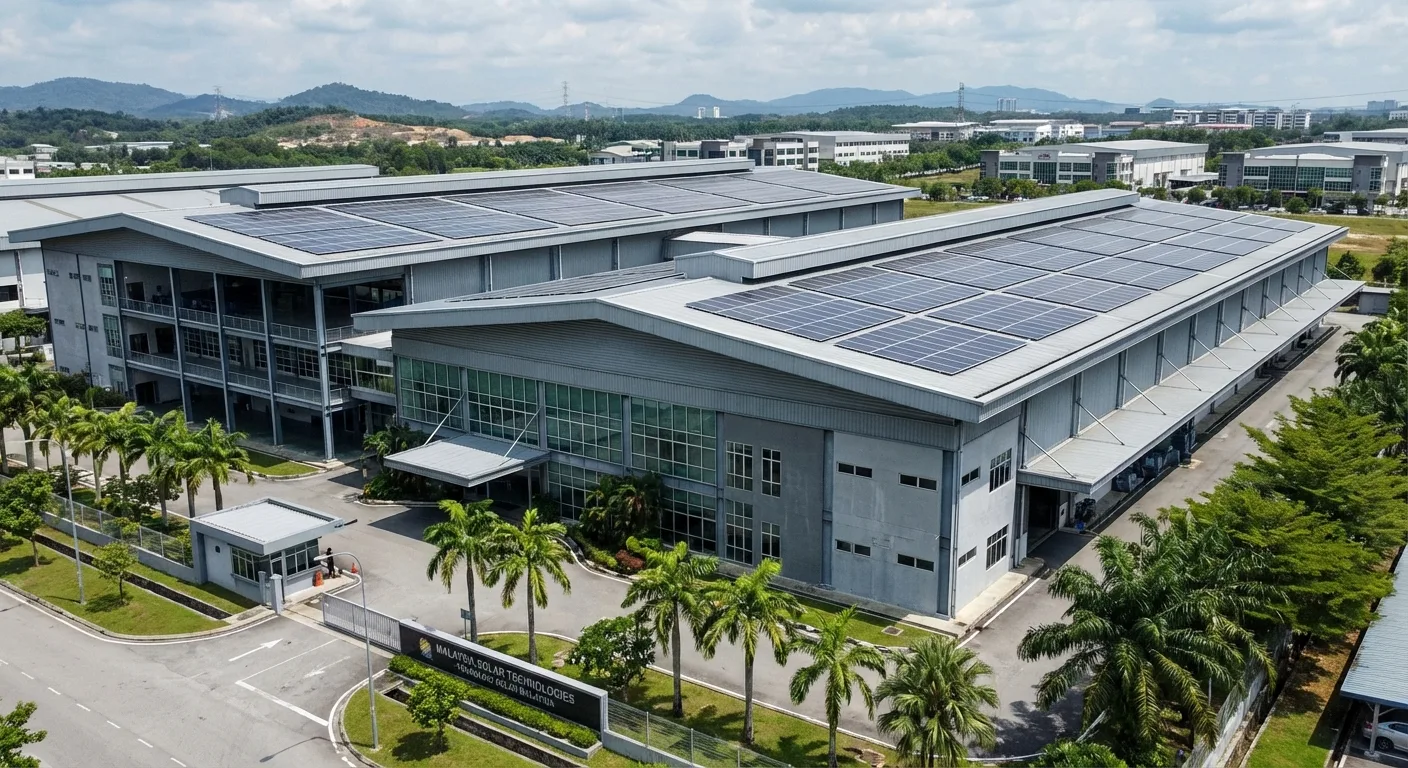
Why Environmentally Conscious Banking is a Game-Changer
The role of banks in this transition cannot be overstated. Financial institutions are moving beyond just being lenders; they are becoming strategic partners in sustainability. The rise of environmentally conscious banking means more support is available for businesses ready to make a change. Besides innovative loans, banks are offering green bonds, sustainable trade financing, and crucial advisory services to help companies align their operations with ESG goals. They are developing sophisticated sustainability-linked financial strategies that provide flexible and attractive funding for green projects. This partnership between finance and industry is accelerating the transition, making it more accessible and financially viable for companies of all sizes to embark on their sustainability journey.
To conclude, the shift towards sustainability is no longer a theoretical debate but a practical and financial reality for Malaysian businesses. The trend is clear: capital is flowing towards companies that demonstrate a genuine commitment to responsible operations. The era of viewing sustainability as a mere compliance task is over. It has become a central pillar for innovation, risk management, and long-term value creation. By embracing sustainable practices, businesses are not just protecting the planet; they are securing their own future prosperity. The question for every leader in Malaysia is no longer *if* they should adapt, but *how quickly* they can seize this incredible opportunity for growth.