
Government May Delay Subsidy Reforms: CGS
Malaysia’s headline inflation held steady at 1.4% year-on-year in April 2025, in line with CGS International and Bloomberg consensus estimates. The Consumer Price Index (CPI) remained unchanged from the previous month, supported by easing food prices but tempered by rising utility and personal care costs.
Core inflation, however, edged higher to 2.0% in April—its highest level since December 2023—indicating resilient underlying price pressures, particularly in non-volatile categories.
“The sustained low headline inflation was largely driven by slower food price growth, which moderated to +2.3% yoy, its lowest level since December last year,” CGS International said in its latest economic update.
Food Costs Dip, But Utilities Rebound
Food-at-home prices grew by just 0.5% yoy, while food-away-from-home eased to 4.3%. On a monthly basis, food costs dipped by 0.1%. However, the utilities segment rebounded in April, fuelled by rising service maintenance and repair costs for dwellings, averaging 5.7% yoy since the beginning of the year.
Other categories such as personal care and social protection also saw prices rise, contributing modestly to the upward pressure on the index.
Egg Subsidy Removal Seen Having Minimal CPI Impact
The Ministry of Agriculture and Food Security’s (MAFS) announcement to phase out egg subsidies—starting with a reduction from RM0.10 to RM0.05 per egg from 1 May and full removal by 1 August—is expected to have minimal impact on inflation.
“With egg prices forming just 0.4% of the CPI basket and having shown a declining trend since July 2024, we believe the price liberalisation will not trigger significant inflationary pressure,” CGS noted.
The move is projected to save the government RM400 million in subsidies in 2025, aligning with broader fiscal reform objectives.
Policy Delays Prompt CPI Forecast Revision
In light of weakening domestic demand and global tariff concerns—particularly following U.S. President Donald Trump’s renewed trade policy threats—the Malaysian government has opted for a more cautious approach to subsidy and tax reforms.
The implementation of the expanded Sales and Services Tax (SST), originally scheduled for early 2025, has been delayed to 1 June, with actual enforcement likely beginning in July. The SST expansion could add 10–20 basis points to CPI, with a second-round effect expected by August.
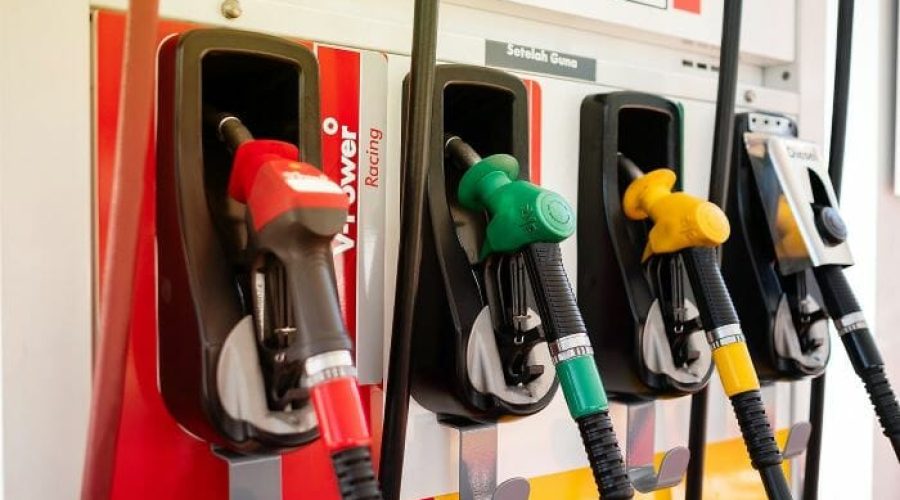
Additionally, the long-anticipated rationalisation of RON95 fuel subsidies, previously targeted for mid-2025, may be delayed. The reform could impact 15% of households and add a further 20 basis points to the annual inflation rate.
Revised CPI Forecast for 2025
Given the delay in price reforms, subdued global commodity prices, and modest inflation in the first four months of the year (1.5% yoy), CGS International has revised its full-year 2025 CPI forecast down to 2.0% from 2.3% previously.
“Despite short-term softness, we expect inflationary pressures to pick up in the second half of 2025 and into 2026 as reform measures gradually take hold,” CGS added.
The revised outlook reflects a more measured reform timeline and a shifting macroeconomic backdrop, positioning Malaysia for stable yet cautious inflationary trends in the year ahead.

