

Can Loob Live Up To The Expectation Or Is The Valuation Beyond Just A Cup Of Tea?
The following analysis commentary was contributed by Tey Eng Xin, a financial columnist and co-author of an international academic journal about investor sentiment
Malaysia’s 2025 IPO landscape has thus far been defined by tepid investor sentiment, underwhelming debuts and frothy valuations that have tested the patience of institutional money. Yet within this subdued climate, local consumer brands have emerged as bright exceptions.
The breakout success of Oriental Kopi Holdings Bhd and Eco-Shop Marketing Bhd signalled an inflection point, investors are shifting their focus toward businesses they understand, interact with and inherently trust.
Now enters Loob Bhd, the parent of the ubiquitous Tealive franchise, poised to test the resilience of this trend. With its IPO priced at upper echelon, sceptics may argue the valuation has overshot the fundamentals. But as regional analogues such as China’s Mixue and Chagee have demonstrated, the market has proven willing to reward household brands embedded in consumers’ daily rituals.
Local Champions in an Era of Global Uncertainty
Viewed through a macroeconomic lens, Loob’s IPO reflects a deeper realignment in investor preferences. Domestic champions such as Mr DIY, 99 Speedmart, Farm Fresh, and now Tealive are gaining market traction for their relatability and resilience.
As global trade frictions intensify and supply chains strain under geopolitical stress, local consumer brands are increasingly seen as antifragile assets.
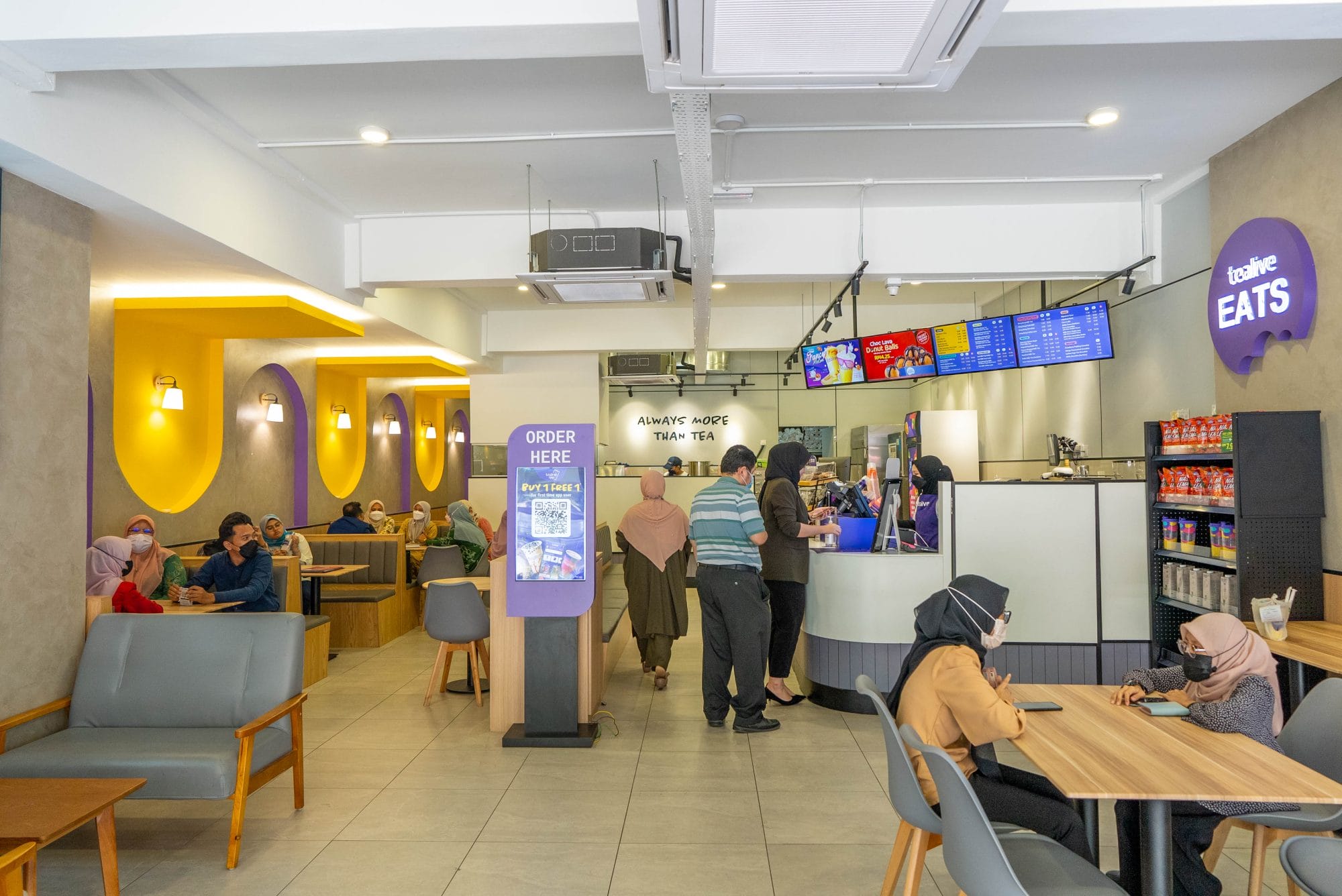
Loob’s strength lies in its insulation from such exogenous shocks. Unlike export-dependent plays, it rides on a bedrock of domestic consumption, robust distribution channels and an expanding youth demographic. It echoes the success of Farm Fresh, which challenged incumbents like Dutch Lady by building a brand narrative that was local-first, authentic and culturally relevant.
More Than Tea: The Lifestyle Narrative
With over 800 physical outlets and a loyalty app boasting more than two million users, Tealive has achieved what few retail brands manage: Omnichannel ubiquity. It’s visible on high-street corners, petrol stations, MRT platforms and equally omnipresent across food delivery apps, social media and mobile rewards ecosystems.
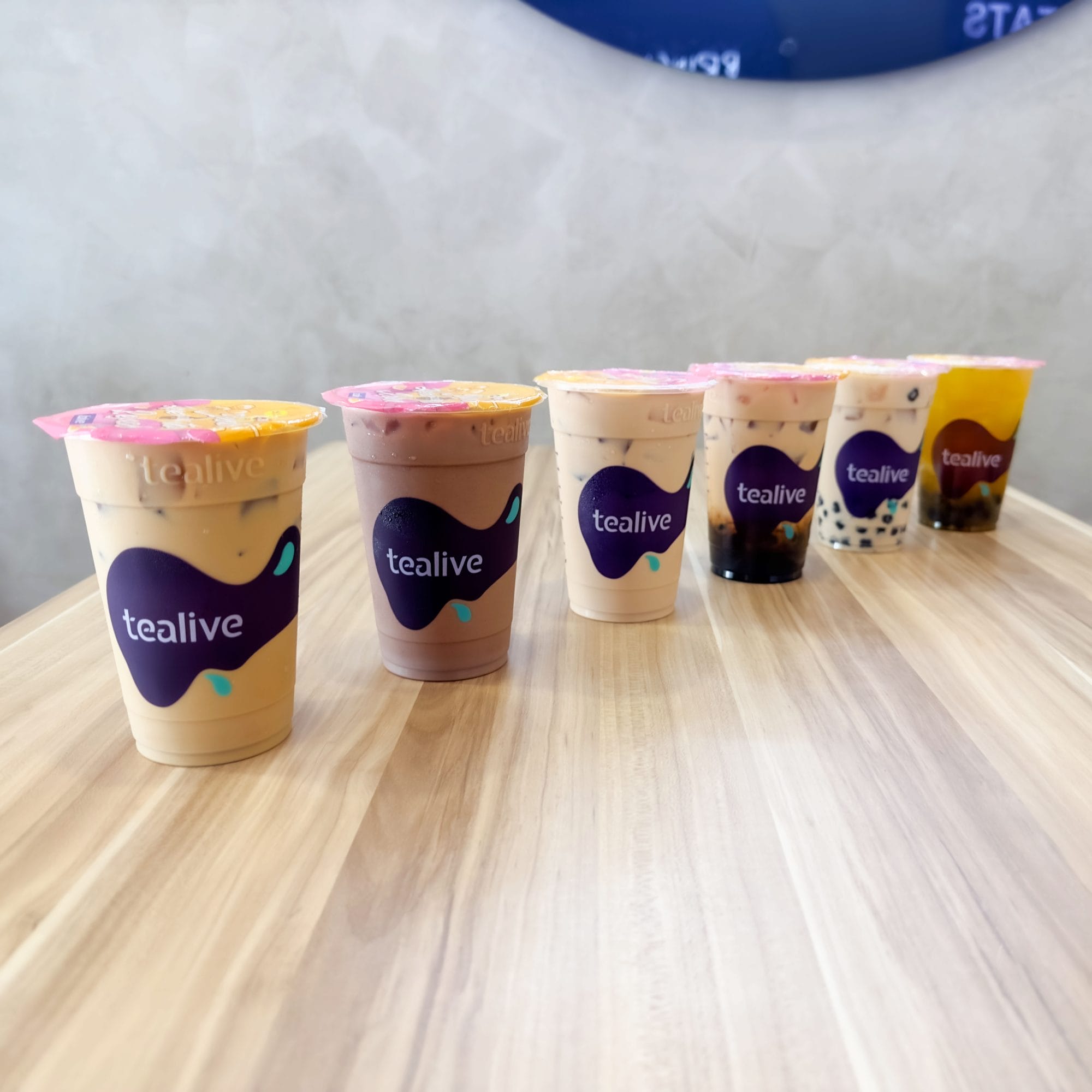
What sets Tealive apart is its brand architecture. It doesn’t merely compete on pricing or flavour innovation; it curates an experience. Co-branded product lines, influencer-led campaigns and seasonal launches fuse the digital and physical in a way that cultivates loyalty, not just traffic.
In this sense, Tealive mirrors the brand ethos of Starbucks: The product is not the point; the community is.
Operational Precision Powered by Data
Beyond its consumer-facing charm, Loob is executing a highly data-centric strategy. Its proprietary Centralised Business Intelligence System provides real-time analytics on footfall, inventory turnover, promotional effectiveness and franchisee adherence. This operational backbone enables fast feedback loops and agile response to shifting consumer behaviour.
Moreover, Loob’s loyalty ecosystem serves as a rich data mine. Purchase histories, customisation trends and dwell-time analytics empower Tealive to fine-tune promotions, tailor seasonal menus and explore new business verticals, from FMCG crossovers to lifestyle merchandise.

In a digital landscape where customer acquisition costs continue to climb, Loob’s first-party data advantage is a substantial competitive moat. Through its loyalty app, Tealive tracks customisation habits, timing of purchases and visit frequency, granular insights that enable hyper-targeted promotions, location-specific product development and possibly third-party monetisation.
Valuation: A Steep Tag or Strategic Premium?
Loob’s IPO is expected to fetch 30 times price earnings ratio. In other words, it will command a valuation at the upper echelon of Bursa Malaysia’s listings, joining other mega IPO like Mr DIY, 99 Speedmart, Oriental Kopi and Eco-Shop. But so did Oriental Kopi early this year and it has rewarded investors handsomely.
Investors will need to weigh this valuation premium against several tailwinds:
- Brand Equity: A culturally resonant and digitally fluent brand, aligned with Gen Z and Millennials.
- Data & Distribution Moat: Ownership of both consumer insight and sales channels, enabling precision marketing and cost efficiencies.
- Domestic Defensibility: Structural insulation from foreign exchange risk, geopolitical disruptions and trade volatility.
However, this is not without caveats. Tealive’s delivery-related expenses in 2024 amounted to RM31 million, roughly 10% of its administrative costs, indicating potential pressure points as margins tighten. Consumer tastes are also notoriously fickle; what feels “Instagrammable” today may be obsolete tomorrow.
To sustain its premium, Loob must remain relentlessly innovative. Joint ventures (JV), regional forays and product diversification akin to JV formed by Magma and Chagee or the QL Resources-FamilyMart playbook, may be necessary next acts.
Brewed for Growth, Served with Caution
Loob offers what many recent IPOs have lacked: A clear, relatable story with tangible roots and scalable ambition. It occupies a rare middle ground of between the volatility of global tech and the stagnation of traditional sectors anchored by a brand Malaysians know, love and trust.
For retail investors navigating a cautious capital market, Loob is not just another listing; it’s a proxy for consumer sentiment, a bet on homegrown resilience and potentially, a franchise of the future.
The pricing may be lofty, but in a market searching for conviction, Loob’s offering could very well be worth the premium.
If the second half of 2025 belongs to domestic champions, then Loob may very well be its boldest brew.

