
Analysts Call It ‘Timely’ After EC Awarded 2GW In LSS5+ Solar Projects
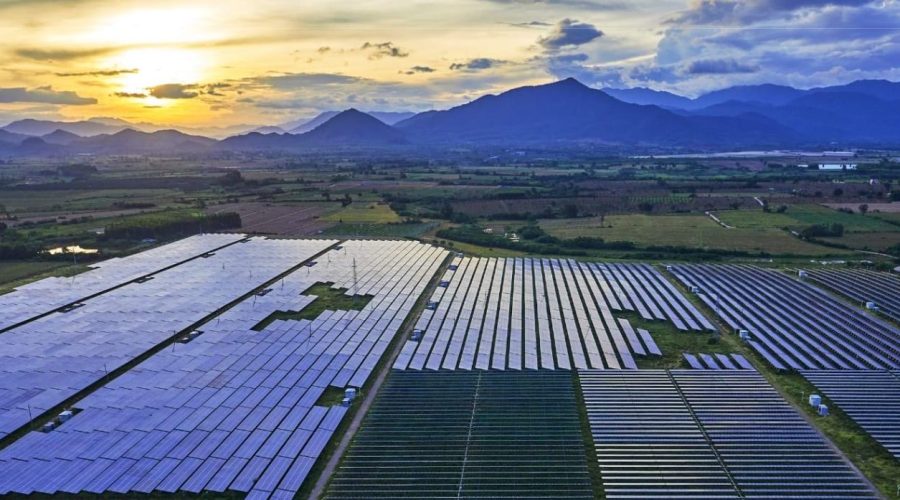
The Energy Commission (EC) has announced the results of its Large Scale Solar PETRA 5+ (LSS5+) tender, approving 1,975MW of new solar projects out of 4,073MW in bids received, nearly twice the allocated quota.
The competitive bidding exercise, which closed in February 2025, was divided into two categories:
- Package A: Ground-mounted solar (1.5GW quota, project sizes 30MW–500MW).
- Package B: Floating solar (500MW quota, project sizes 10MW–500MW).
According to the EC, 13 successful bidders were selected based on competitive tariffs and compliance with tender requirements. The projects are expected to come online from 2027 onwards.
Industry sources indicate that winning bids likely ranged between 14–16 sen per kWh for ground-mounted projects, broadly in line with prices under the previous LSS5 round. However, developers face fresh headwinds in securing solar panels at competitive rates, as global module prices begin to edge higher after prolonged deflation. The uptick is partly linked to supply adjustments and policy measures in China aimed at stabilising its solar manufacturing sector.
Potential Beneficiaries
While the EC has not yet disclosed the official list of winners, market watchers see Malakoff Corporation, YTL Power (YTLP), and Tenaga Nasional Berhad (TNB) as potential beneficiaries within the listed utilities sector. Beyond asset ownership, the rollout of LSS5+ is expected to generate engineering, procurement, construction and commissioning (EPCC) contracts worth RM4–5 billion, providing a boost to domestic solar contractors and construction companies.
Strengthening the Grid
Analysts note that the accelerated renewable energy rollout strengthens the case for TNB’s RM16.6 billion contingent capex plan under RP4, which aims to upgrade the national power grid to better accommodate the growing share of intermittent renewable energy.
Sector Outlook: Overweight Maintained
CGS International reiterated its Overweight call on Malaysian utilities, citing the National Energy Transition Roadmap (NETR) as a structural growth driver for the sector. The timely execution of renewable energy initiatives under the NETR is expected to reinforce investor confidence in Malaysia’s clean energy transition and support long-term earnings growth.
However, risks remain. These include potential delays in NETR implementation and regulatory changes that could dampen momentum. On the upside, successful policy rollouts and faster expansion of renewable energy capacity could drive sector re-rating.

