A Strategic Guide for Malaysian Business
The calm seas of global commerce can turn turbulent without warning. A distant tremor, a political standoff thousands of miles away, can send powerful waves crashing onto our own shores. Today, the escalating tensions between the United States and Iran, centred around the critical Strait of Hormuz, are creating just such a disturbance. For Malaysian businesses, from bustling Kuala Lumpur offices to manufacturing hubs in Penang, this is not a distant news headline; it is a developing situation with real-world consequences. Understanding these potential impacts is the first step towards navigating these uncertain waters successfully. This article will explore the challenges, uncover hidden opportunities, and outline the proactive strategies your business can adopt to not only survive but thrive amidst this geopolitical shift.
The Ripple Effect from the Strait of Hormuz
Why should a conflict in the Middle East cause concern for a business in Malaysia? The answer lies in a narrow strip of water: the Strait of Hormuz. This is one of the world’s most important maritime chokepoints. A staggering volume of global oil and liquefied natural gas (LNG) passes through it every day, heading to markets in Asia and beyond. Any disruption, whether a naval blockade, increased military presence, or an outright conflict, would immediately constrict this vital artery of global trade. The knock-on effect is not a matter of ‘if’, but ‘when’ and ‘how much’. For a trading nation like Malaysia, which is deeply integrated into the world economy, these ripples will inevitably reach our shores, affecting everything from logistics to production costs.
The Pressure on Your Bottom Line
The most immediate and obvious challenge is the potential for a dramatic surge in oil prices. Analysts have warned that a severe disruption could push crude oil prices well beyond the $100 per barrel mark. For Malaysian businesses, this is a double-edged sword. While our nation is an oil producer, the benefits to the energy sector do not shield other industries from pain. The logistics and transportation sectors would face soaring fuel costs, which would then be passed on to customers. Manufacturers would see the price of petroleum-based raw materials increase, squeezing profit margins. Even service industries would feel the pinch as overall inflation rises, potentially dampening consumer spending. Beyond fuel, expect supply chain disruptions, with longer shipping times and sharply higher insurance premiums for vessels transiting near the conflict zone.
Finding Silver Linings in the Clouds of Uncertainty
It is easy to focus on the negatives, but periods of disruption often create unique opportunities for agile and forward-thinking companies. The current situation forces a critical reassessment of dependencies. Is your supply chain overly reliant on a single region or shipping route? This might be the perfect catalyst to diversify. Malaysian businesses could explore sourcing raw materials from or selling finished goods to new markets in ASEAN, Africa, or Latin America, reducing their exposure to Middle Eastern volatility. Moreover, as global companies look to de-risk their own supply chains, Malaysia’s strategic location and stable environment could make our ports and logistics infrastructure more attractive as a regional hub. This is a chance to strengthen partnerships and forge new ones, turning a global problem into a local advantage.

Building a Business That Bends, Not Breaks
In the face of such uncertainty, passive observation is not an option. The key is to build organisational resilience. This means creating a business model that is flexible and adaptive enough to withstand external shocks. Think of it like bamboo; it is strong but flexible enough to bend in a powerful storm without snapping. This is where excellent strategic planning comes into play. Businesses should be running scenarios now: What is our plan if shipping costs rise by 30%? Who are our alternative suppliers if our primary ones are disrupted? Exploring options like hedging against fuel price increases or securing contracts with logistics providers who use diverse routes are practical steps that can be taken today. Monitoring international developments closely is no longer just for big corporations; it is a necessity for any business with global touchpoints.
Malaysia’s Position in a Shifting World
As the world grapples with this new layer of complexity, it is important to recognise Malaysia’s inherent strengths. Situated at the heart of Southeast Asia and along major east-west trade lanes, we are well-positioned to act as a stable and reliable partner in an increasingly interconnected global marketplace. Our strong trade relationships within ASEAN and beyond provide a foundation for market diversification. By playing our cards right, Malaysian industries can showcase their reliability and efficiency, attracting investment and trade from companies seeking safer harbours. The challenge is to actively market this stability and capability, presenting Malaysia not just as a participant in global trade, but as a solution to its growing uncertainties.
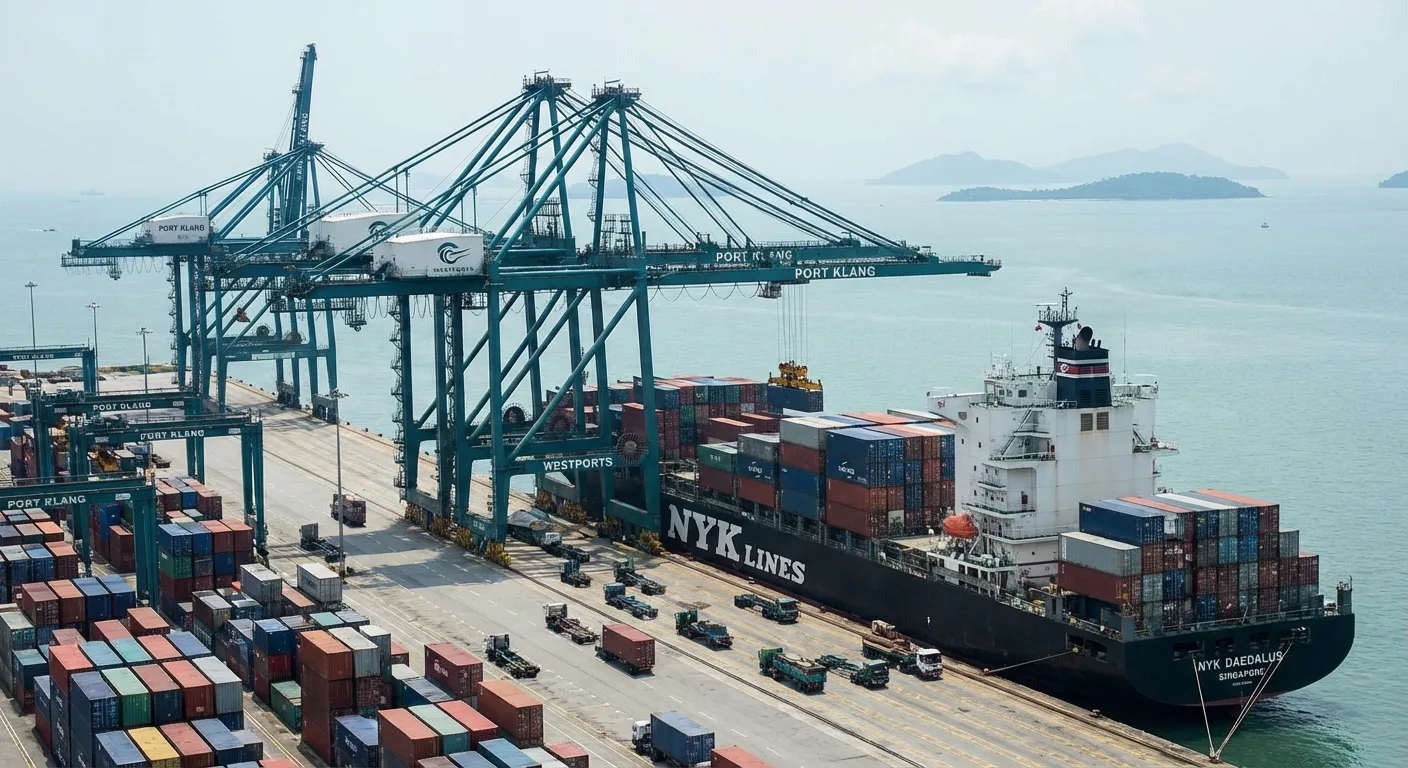
In conclusion, the geopolitical storm brewing in the Middle East is a stark reminder that no business operates in a vacuum. The challenges are clear: rising operational costs, logistical headaches, and potential market volatility. However, these challenges also carry the seeds of opportunity for diversification, innovation, and strengthening our position on the world stage. To navigate this period successfully, Malaysian business leaders must move beyond a reactive stance. In today’s deeply interconnected global marketplace, foresight and preparation are paramount. The ultimate key to not just weathering this storm but emerging stronger lies in robust strategic planning and a deep-seated commitment to building operational resilience across every facet of your business.