ASEAN Manufacturing Growth: Opportunities for Malaysian Business
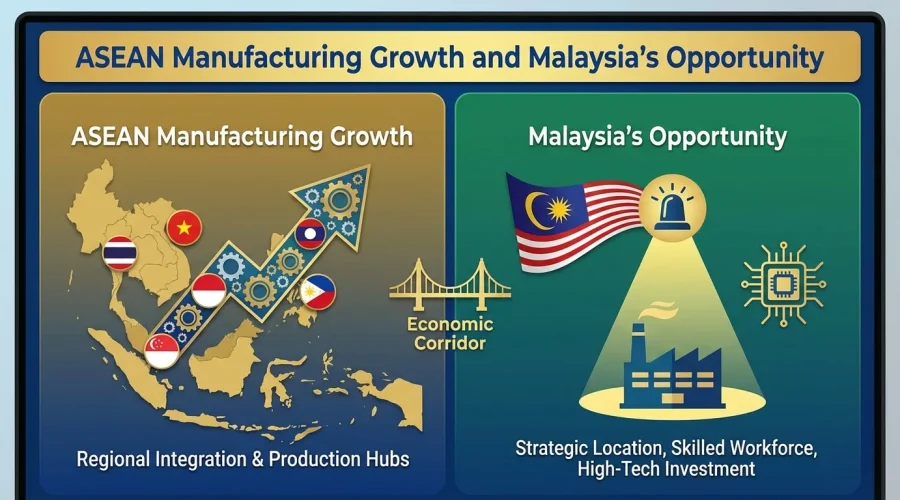
The gears of industry across Southeast Asia are beginning to hum a more confident tune. After a period of navigating choppy global waters, a wave of cautious optimism is sweeping through the ASEAN manufacturing sector. Recent indicators point towards a welcome recovery, signalling a shift from mere survival to strategic growth. For entrepreneurs and business leaders in Malaysia, this isn’t just distant news; it’s a call to attention. The manufacturing landscape is evolving, presenting fresh opportunities for those ready to act. This improving outlook, driven by renewed business confidence and regional resilience, offers a compelling narrative for our local business community. This article is tailored for the Malaysian audience, aiming to unpack these trends and discover what they mean for your business strategy in the coming year.
The Pulse of Progress: Reading the PMI Signals
One of the most reliable barometers for the health of the manufacturing sector is the Purchasing Managers’ Index (PMI). Think of it as the industry’s monthly check-up. The latest PMI figures for the ASEAN region paint an encouraging picture. After months of fluctuating performance, the index is showing a consistent upward trend, indicating that business conditions are improving. This isn’t just about numbers on a chart; it reflects tangible progress on the ground.
This positive shift is driven by a rise in new orders, an increase in production output, and a more stable employment situation. Manufacturers are reporting greater confidence in the future, prompting them to ramp up purchasing activity and build up their inventories in anticipation of sustained demand. For Malaysian businesses integrated into the regional supply chain, this is excellent news. It suggests that your neighbours in Thailand, Vietnam, and Indonesia are getting busier, which in turn can fuel demand for the components and materials you produce.
Standing Firm in a Shifting Global Landscape
It’s no secret that the global economic environment remains complex. Lingering inflationary pressures and geopolitical uncertainties continue to pose challenges. However, the ASEAN bloc has demonstrated remarkable resilience in the face of these headwinds. How? By leveraging its collective strength and diversity.
Unlike regions heavily dependent on a single market, ASEAN’s strength lies in its interconnected yet varied economies. Regional trade agreements, such as the Regional Comprehensive Economic Partnership (RCEP), have played a significant role in creating a more stable and predictable trade environment. This has helped cushion member states from external shocks. For Malaysia, being part of this resilient economic community provides a crucial buffer. It allows our businesses to pivot and find opportunities within the region when other international markets become volatile, ensuring a degree of stability in uncertain times.
Uncovering Growth: Where Malaysian Businesses Can Thrive
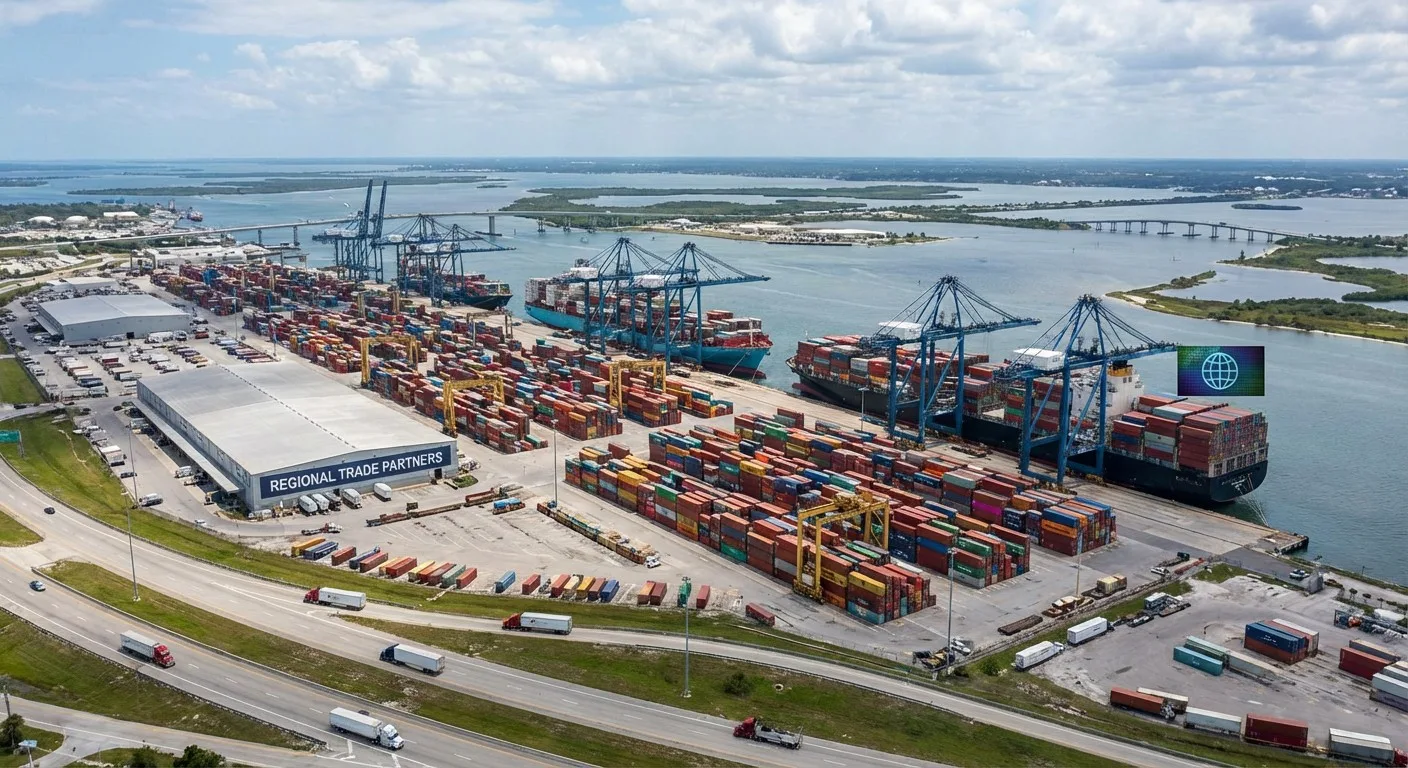
So, where are the concrete opportunities? Understanding the broader recovery is one thing, but translating it into strategy is another. We believe in providing actionable insights that can help Malaysian businesses navigate this new phase of growth. The evolving manufacturing ecosystem is ripe with potential, particularly in high-value sectors. The push towards digitalisation and sustainability across ASEAN is creating strong demand for electronics, especially semiconductors and integrated circuits—a traditional strength for Malaysia.
Furthermore, the electric vehicle (EV) revolution is gaining momentum in the region, opening up a whole new supply chain for automotive components, from batteries to charging infrastructure. Other promising areas include medical device manufacturing, driven by a greater focus on healthcare, and sustainable packaging solutions, as consumer and regulatory pressures for greener products increase. Malaysian companies can position themselves to capitalise on these trends by investing in technology upgrades, exploring new export markets within ASEAN, and forming strategic partnerships with regional players.
A Roadmap for the Future: Embracing the Opportunity
This period of renewed optimism is not a time for complacency but for proactive planning. The encouraging signs from the manufacturing sector offer a window of opportunity for local entrepreneurs and investors to recalibrate their strategies for 2025 and beyond. What worked yesterday may not be optimal for tomorrow. We encourage businesses to dive deeper into market research within specific ASEAN countries to understand their unique needs and regulatory landscapes.
Building a resilient business today means embracing agility. Can your production lines be adapted for higher-value products? Are you exploring digital tools to enhance efficiency and reach new customers? By viewing the current environment as a springboard rather than just a recovery, Malaysian businesses can not only ride the wave of growth but also help shape the future of manufacturing in the region. This is the positive narrative that we see unfolding for our dynamic Malaysian audience.

Conclusion: Seizing the Momentum with Confidence
In summary, the ASEAN manufacturing sector is showing clear signs of resilience and a return to growth. The improving PMI figures reflect a tangible boost in business confidence, with production and new orders on the rise. While global uncertainties persist, the region’s collective economic strength provides a stable foundation for progress. For Malaysian businesses, this translates into real opportunities, especially in strategic sectors like electronics, automotive components, and sustainable goods. The key is to move from observation to action. We hope this analysis has provided you with valuable and actionable insights to inform your next steps. The landscape is favourable, and the momentum is building. Now is the time for Malaysian entrepreneurs and industry leaders to harness this positive trend, innovate, and strategically position their businesses to thrive in the exciting chapter that lies ahead for ASEAN.