How a Daughter’s Devotion Created Mother’s Day
What comes to mind when you think of Mother’s Day? For most, it’s a celebration of mums and maternal figures. But have you ever wondered about the history behind the holiday? As it turns out, there’s quite a lot of it. There are various accounts on how Mother’s Day and its traditions came to be.
Early Roots And Celebrations of Mothers
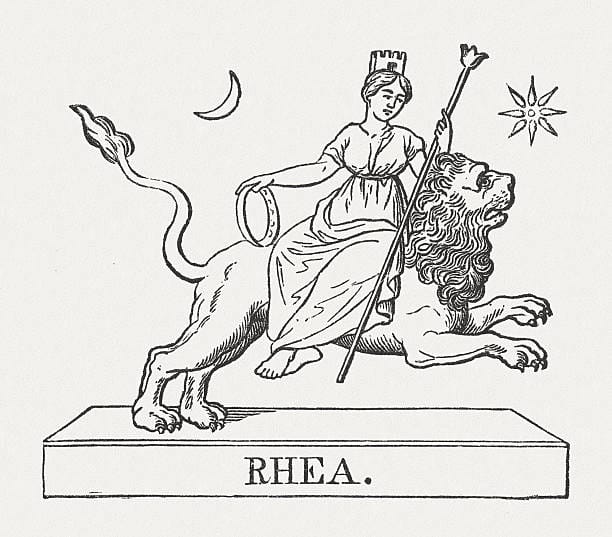
The idea of celebrating mothers has ancient roots. Early festivals honouring mother goddesses such as Rhea in Greece and Cybele in Rome date back thousands of years. These springtime celebrations involved offerings, feasts, and gatherings to honour motherhood and fertility.
In the Christian tradition, the precursor to Mother’s Day was Mothering Sunday, observed on the fourth Sunday of Lent. This was a day when people returned to their ‘mother church’ for a special service and often brought gifts or flowers to their mothers. This tradition was especially strong in the United Kingdom and parts of Europe.
Early Efforts in the United States
In the 19th century, several American women helped shape what would become Mother’s Day. Ann Reeves Jarvis, a community organiser in West Virginia, founded “Mothers’ Day Work Clubs” to improve public health. In 1868, she launched “Mothers’ Friendship Day” to help reunite families affected by the Civil War.
At the same time, Julia Ward Howe, a poet and activist, promoted a “Mother’s Day for Peace” in 1870. She encouraged women to unite in calling for peace after the Franco-Prussian War. Although her version of the day was celebrated in a few areas, it didn’t last long.
The Official Founding of Mother’s Day
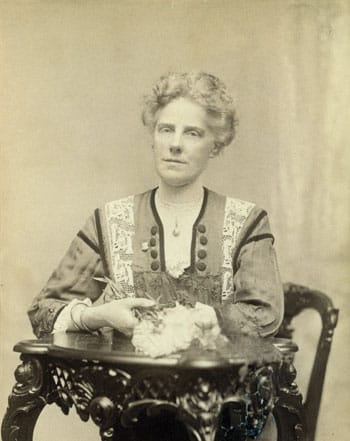
After Ann Jarvis died in 1905, her daughter Anna Jarvis began campaigning for a national day to honour mothers. Inspired by her mother’s work and a prayer she heard as a child, Anna organised the first official Mother’s Day service on 10 May 1908 at Andrews Methodist Episcopal Church in Grafton, West Virginia. The same day, a large event was held at Wanamaker’s store in Philadelphia.
Anna Jarvis tirelessly wrote letters and lobbied politicians to make Mother’s Day a recognised holiday. By 1910, West Virginia had made it an official state holiday, and by 1911, many other states and towns were observing the day. In 1914, President Woodrow Wilson signed a proclamation establishing the second Sunday in May as Mother’s Day, a national holiday to honour mothers.
The Shift To What Mother’s Day is Today
Anna Jarvis had hoped the holiday would be a personal and heartfelt occasion, marked by family time, church services, and wearing white carnations—her mother’s favourite flower. But as florists, card companies, and retailers began promoting Mother’s Day for profit, she became upset. Jarvis spent the rest of her life criticising the commercialisation of the day she helped create.
Today, Mother’s Day is celebrated in many countries, often on the second Sunday in May. While modern observances tend to focus on gifts, cards, and meals, the day also serves as a reminder of the important role mothers play in family life and society.